Johann Kuhnau
Tristis Est Anima Mea
Released Album
Recent Album
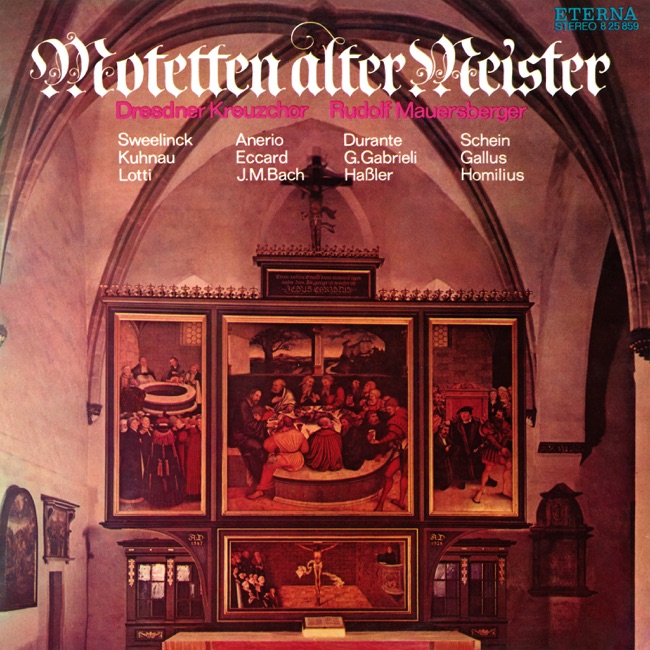
Works Info
Composer:Johann KuhnauGenre:ChoralStyle:ChoralAverage_duration:4:45Johann Kuhnau's 'Tristis Est Anima Mea' is a sacred cantata that was composed in the late 17th century. The piece was premiered in Leipzig, Germany, in 1701, and it is considered to be one of Kuhnau's most significant works. The cantata is written for four voices, two violins, viola, and basso continuo, and it is divided into six movements. The first movement of 'Tristis Est Anima Mea' is a somber and mournful aria that sets the tone for the entire piece. The second movement is a recitative that features a solo voice, and it serves as a bridge between the first and third movements. The third movement is a lively and energetic aria that contrasts with the first movement and provides a sense of hope and optimism. The fourth movement is a duet between two voices, and it is characterized by its intricate counterpoint and complex harmonies. The fifth movement is a recitative that leads into the final movement, which is a chorale that features all four voices and the instrumental ensemble. The chorale is a powerful and emotional conclusion to the cantata, and it leaves a lasting impression on the listener. Overall, 'Tristis Est Anima Mea' is a deeply emotional and expressive work that showcases Kuhnau's skill as a composer. The piece is notable for its use of contrasting moods and textures, as well as its intricate counterpoint and complex harmonies. It is a testament to Kuhnau's ability to create music that is both technically impressive and emotionally resonant, and it remains a beloved work in the canon of sacred music.More....