Martin Codax
Ai ondas que eu vin veere
Released Album
Recent Album
Works Info
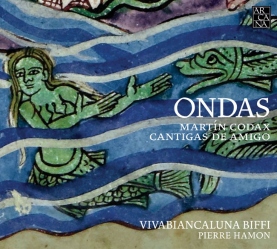
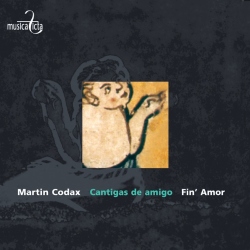
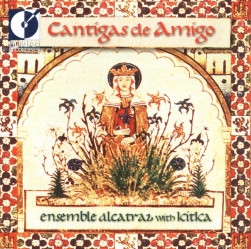
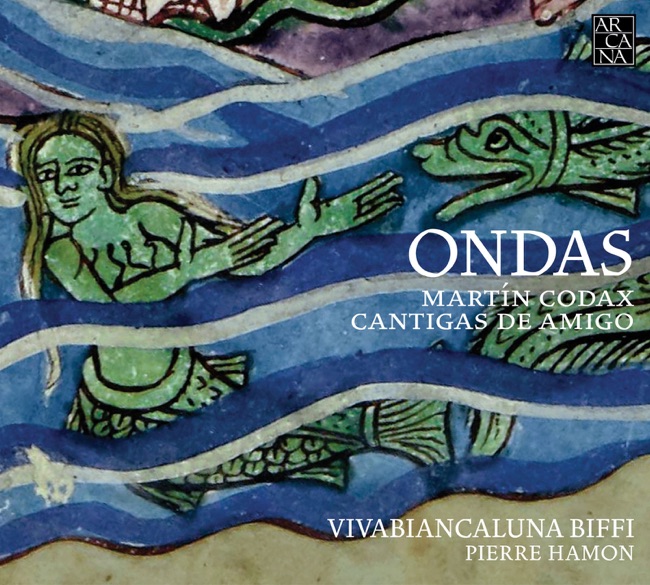
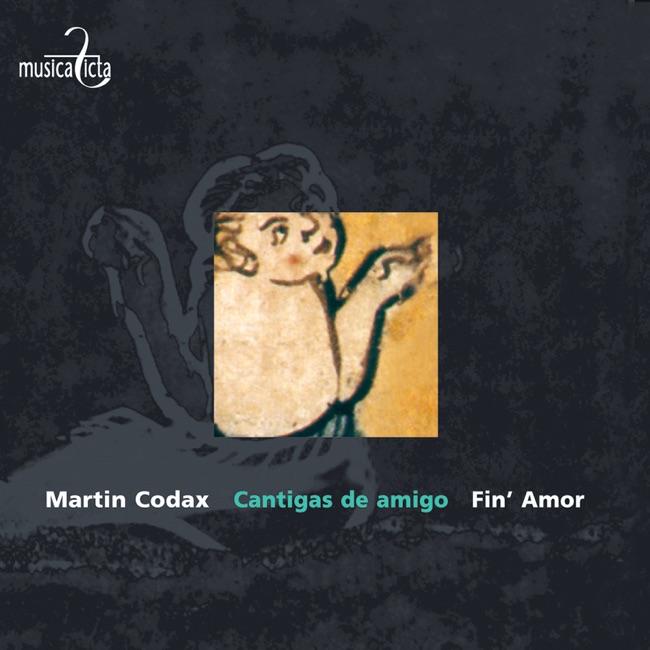
Composer:Martin CodaxGenre:VocalStyle:CantigaAverage_duration:4:30"Ai ondas que eu vin veere" is a medieval Galician-Portuguese cantiga de amigo, composed by Martin Codax in the 13th century. The cantiga is part of the Cantigas de Amigo, a collection of songs that were popular in the northwest of the Iberian Peninsula during the Middle Ages. The composition of "Ai ondas que eu vin veere" is believed to have taken place in the late 13th century, during the reign of King Dinis of Portugal. The cantiga is a love song that tells the story of a young woman who is waiting for her lover to return from the sea. The woman is standing on the shore, watching the waves and hoping to catch a glimpse of her lover's ship. The cantiga is divided into three movements, each with its own distinct characteristics. The first movement is slow and contemplative, with a mournful melody that reflects the woman's longing for her lover. The second movement is more lively and rhythmic, with a faster tempo and a more upbeat melody that reflects the woman's excitement at the prospect of seeing her lover again. The third movement is a return to the slow, mournful melody of the first movement, as the woman realizes that her lover is not coming back. The characteristics of "Ai ondas que eu vin veere" are typical of the Cantigas de Amigo. The cantigas are characterized by their simple melodies, repetitive structures, and themes of love and nature. The lyrics are written in Galician-Portuguese, a language that was spoken in the northwest of the Iberian Peninsula during the Middle Ages. The Cantigas de Amigo were popular among the common people, and were often performed at festivals and other social gatherings. In conclusion, "Ai ondas que eu vin veere" is a medieval Galician-Portuguese cantiga de amigo composed by Martin Codax in the 13th century. The cantiga is a love song that tells the story of a young woman waiting for her lover to return from the sea. The cantiga is divided into three movements, each with its own distinct characteristics, and is typical of the Cantigas de Amigo, with its simple melodies, repetitive structures, and themes of love and nature.More....
Works Music
Released Music