Johann Joachim Quantz
Capriccio for flute No. 1 in D minor
Released Album
Recent Album
Works Info
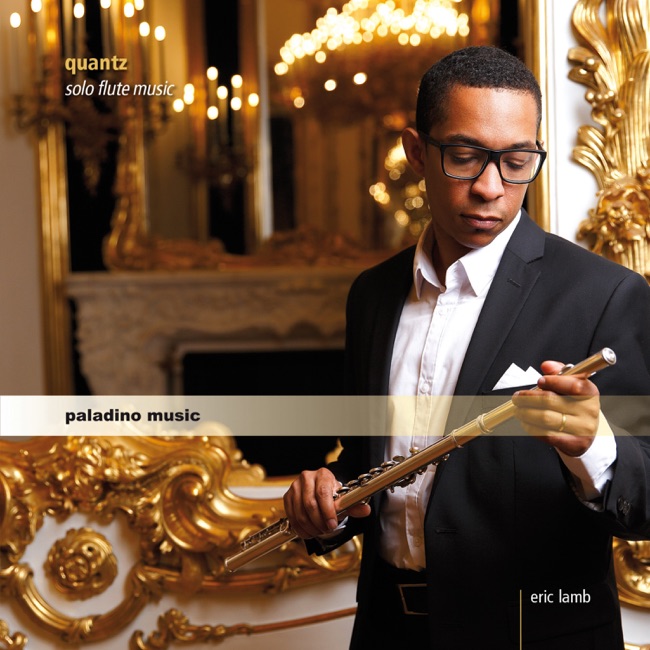
Composer:Johann Joachim QuantzGenre:ChamberAverage_duration:2:46Johann Joachim Quantz, a German flutist and composer, wrote his Capriccio for flute No. 1 in D minor in the mid-18th century. The piece is a solo work for the flute, and it is considered one of Quantz's most significant compositions. The Capriccio for flute No. 1 in D minor premiered in 1752, and it consists of three movements. The first movement is marked "Allegro," and it is characterized by its lively and energetic tempo. The second movement is marked "Largo," and it is a slower, more contemplative piece. The final movement is marked "Allegro assai," and it is a fast and lively piece that brings the work to a thrilling conclusion. The Capriccio for flute No. 1 in D minor is a virtuosic work that showcases the technical abilities of the flute player. The piece is full of intricate runs, trills, and other ornamentation that require a high level of skill to perform. Additionally, the work features a number of dynamic contrasts, with sudden shifts from loud to soft and back again. One of the most notable characteristics of the Capriccio for flute No. 1 in D minor is its use of the "Empfindsamer Stil," or "sensitive style." This style was popular in the mid-18th century and was characterized by its emphasis on emotional expression and sensitivity. Quantz's use of this style is evident in the second movement of the work, which is a beautiful and melancholy piece that showcases the flute's ability to convey deep emotion. Overall, the Capriccio for flute No. 1 in D minor is a challenging and rewarding work for the flute player. Its technical demands and emotional depth make it a favorite among flutists and audiences alike, and it remains a significant work in the flute repertoire to this day.More....
Works Music
Released Music