


Karl Jenkins
Requiem
Released Album
Recent Album
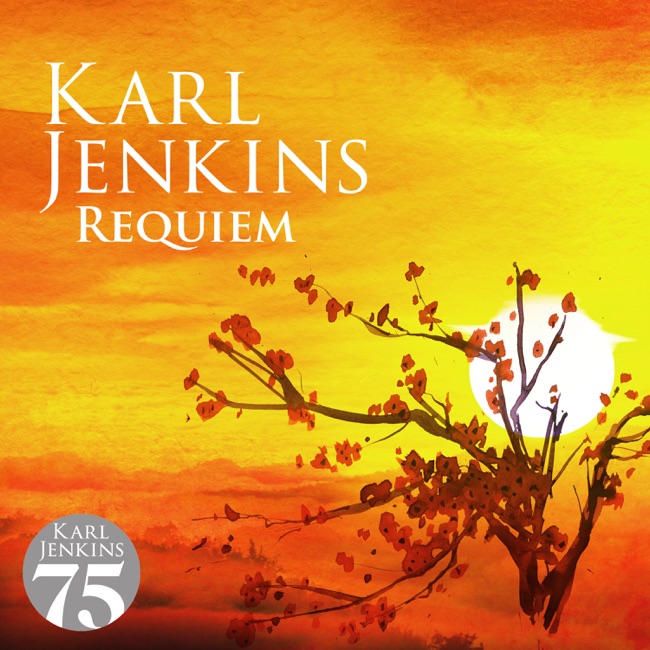
Works Info
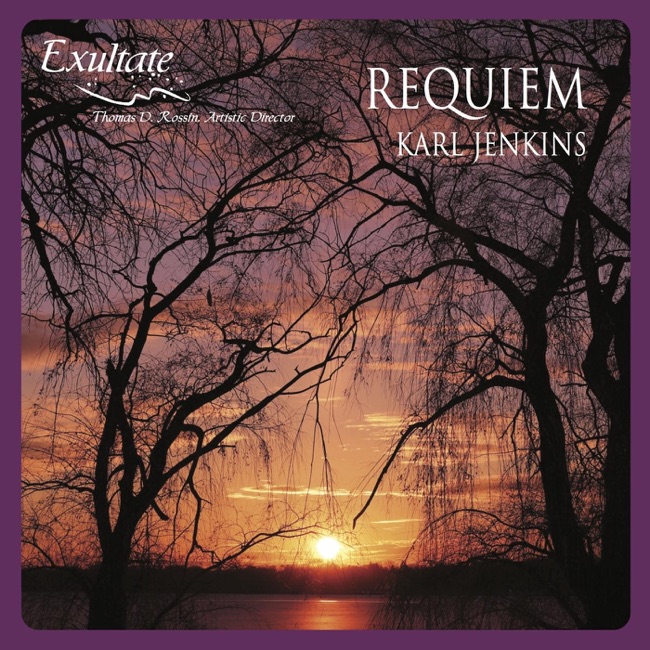
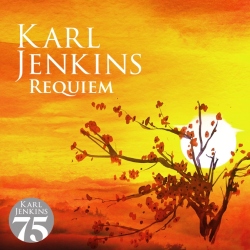
Composer:Karl JenkinsGenre:ChoralStyle:ChoralCompose Date:2004First Performance:Jun 2, 2004Average_duration:54:21Movement_count:13Movement ....Karl Jenkins' Requiem is a choral work that was composed in 2004. It premiered on May 6, 2005, at the Royal Albert Hall in London, England. The Requiem is divided into thirteen movements, each of which is characterized by its unique musical style and thematic content. The first movement, "Requiem Aeternam," is a somber and reflective piece that sets the tone for the entire work. It features a haunting melody sung by the choir, accompanied by a simple piano accompaniment. The second movement, "Dies Irae," is a dramatic and powerful piece that features a driving rhythm and intense choral singing. The movement is characterized by its use of percussion instruments, including timpani and snare drums. The third movement, "The Snow of Yesterday," is a gentle and melancholic piece that features a solo soprano singing a beautiful melody. The movement is characterized by its use of strings and harp, which create a delicate and ethereal atmosphere. The fourth movement, "Rex Tremendae," is a majestic and grandiose piece that features a full choir and orchestra. The movement is characterized by its use of brass instruments, which create a sense of power and majesty. The fifth movement, "Recordare," is a tender and emotional piece that features a solo soprano and choir singing a beautiful melody. The movement is characterized by its use of strings and woodwinds, which create a warm and comforting atmosphere. The sixth movement, "Lacrimosa," is a mournful and sorrowful piece that features a full choir singing a haunting melody. The movement is characterized by its use of dissonant harmonies and minor keys, which create a sense of sadness and loss. The seventh movement, "Now as a Spirit," is a peaceful and reflective piece that features a solo soprano singing a gentle melody. The movement is characterized by its use of harp and strings, which create a sense of tranquility and serenity. The eighth movement, "Pie Jesu," is a tender and emotional piece that features a solo soprano singing a beautiful melody. The movement is characterized by its use of strings and woodwinds, which create a warm and comforting atmosphere. The ninth movement, "Having Seen the Moon," is a lively and energetic piece that features a full choir and orchestra. The movement is characterized by its use of percussion instruments, which create a sense of excitement and energy. The tenth movement, "Lux Aeterna," is a peaceful and reflective piece that features a solo soprano singing a gentle melody. The movement is characterized by its use of harp and strings, which create a sense of tranquility and serenity. The eleventh movement, "In Paradisum," is a joyful and uplifting piece that features a full choir and orchestra. The movement is characterized by its use of brass instruments, which create a sense of celebration and triumph. The twelfth movement, "Farewell," is a tender and emotional piece that features a solo soprano singing a beautiful melody. The movement is characterized by its use of strings and woodwinds, which create a warm and comforting atmosphere. The thirteenth and final movement, "Donna Nobis Pacem," is a peaceful and reflective piece that features a full choir and orchestra. The movement is characterized by its use of harp and strings, which create a sense of tranquility and serenity. Overall, Karl Jenkins' Requiem is a powerful and emotional work that explores themes of life, death, and the afterlife.More....
Works Music
Released Music

Main Perform Artists
Percussion
Horn
Harp
Soprano (Vocal)