William Walton
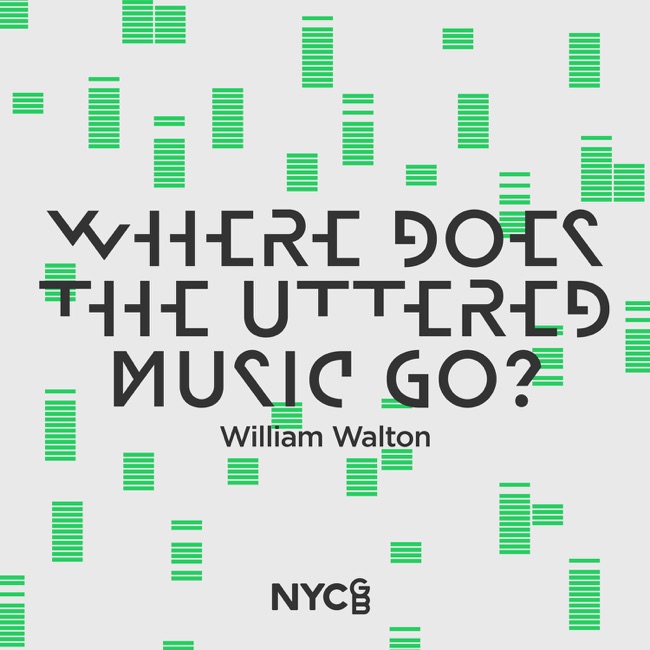
Where does the uttered music go?
Released Album
Recent Album
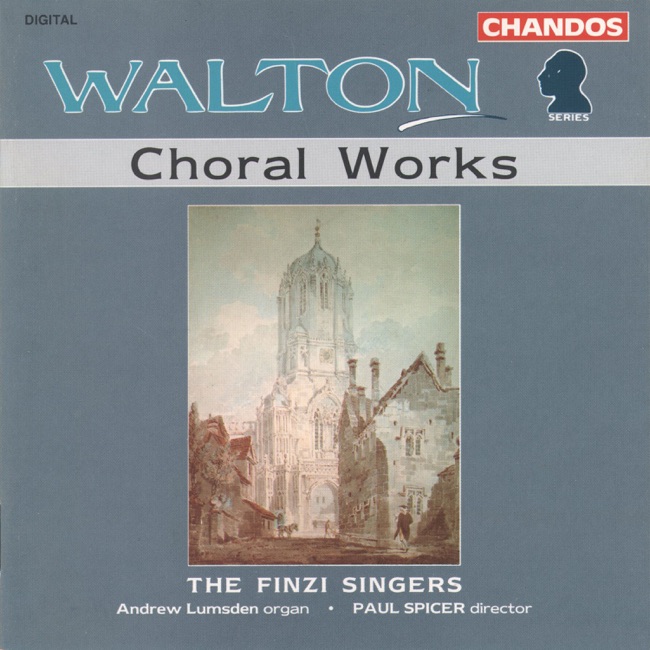
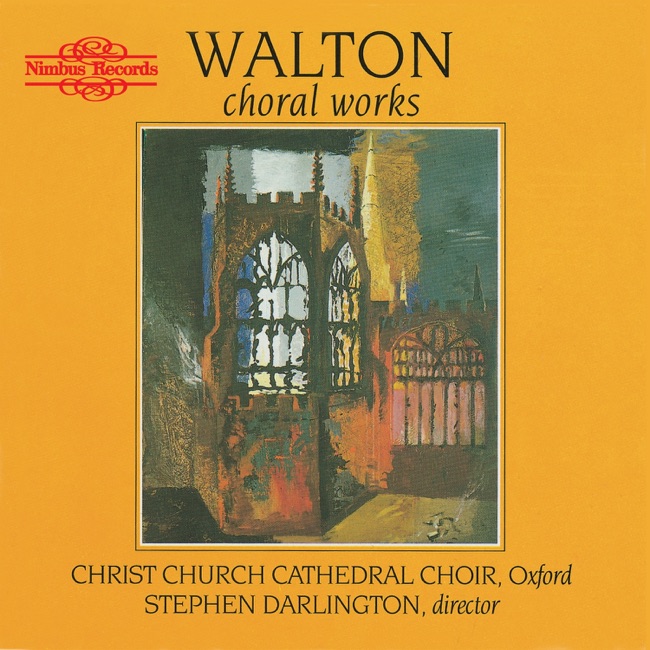
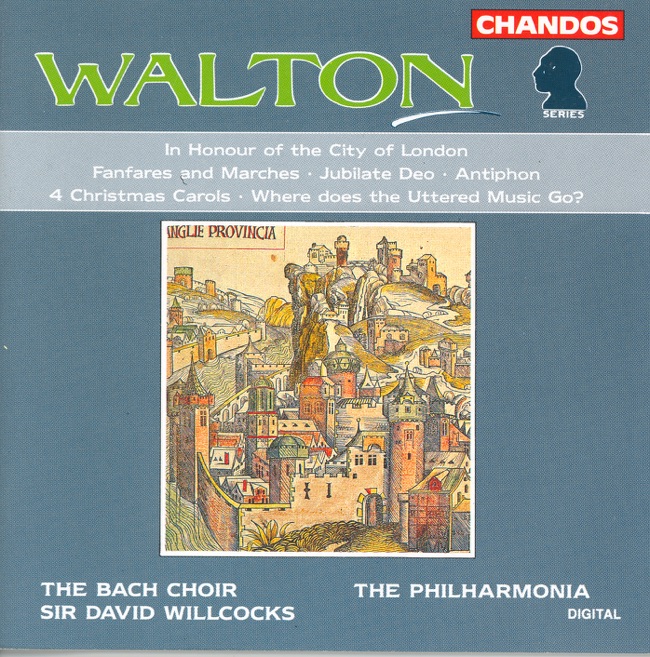
Featured Album
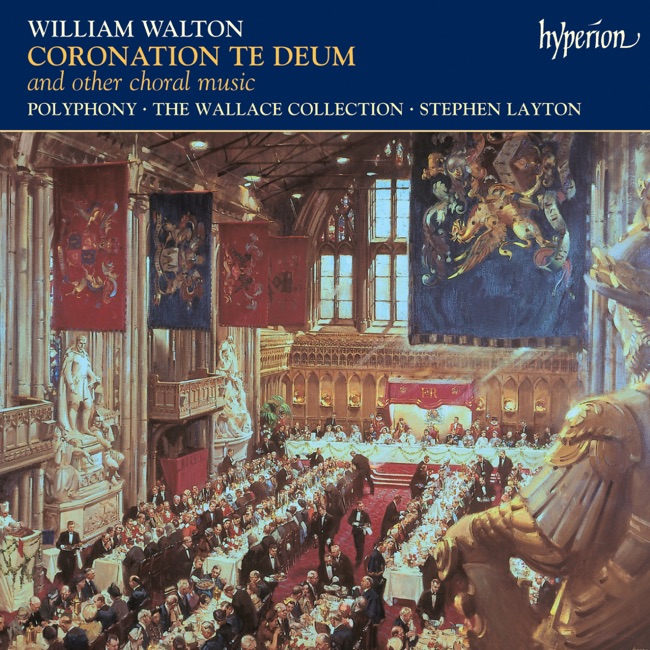
Works Info
Composer:William WaltonGenre:ChoralStyle:ChorusCompose Date:1945 - 1946Average_duration:6:44"Where does the uttered music go?" is a choral work composed by William Walton in 1960. The piece was premiered on July 7, 1960, at the Aldeburgh Festival in Suffolk, England. The work is divided into three movements, each with its own distinct character and musical style. The first movement, "The Song," is a setting of a poem by Edith Sitwell. The music is characterized by a flowing, lyrical melody in the choir, accompanied by a gentle, undulating piano part. The harmonies are rich and complex, with frequent use of dissonance and chromaticism. The overall effect is one of melancholy and introspection. The second movement, "The Dance," is a lively and rhythmic setting of a poem by William Butler Yeats. The music is characterized by a driving, syncopated rhythm in the choir, accompanied by a lively piano part. The harmonies are more tonal and diatonic than in the first movement, with frequent use of modal scales and folk-like melodies. The overall effect is one of joy and celebration. The third movement, "The Dirge," is a setting of a poem by John Webster. The music is characterized by a slow, mournful melody in the choir, accompanied by a sparse and dissonant piano part. The harmonies are highly chromatic and dissonant, with frequent use of unresolved suspensions and unresolved dissonances. The overall effect is one of sadness and grief. Overall, "Where does the uttered music go?" is a highly expressive and emotionally charged work, showcasing Walton's mastery of choral writing and his ability to create a wide range of moods and atmospheres through his music. The work is a testament to the power of music to evoke deep emotions and to express the ineffable mysteries of the human experience.More....
Works Music
Released Music
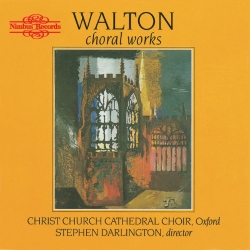
6
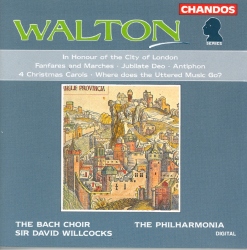
5:58
Featured Music