


Claudio Monteverdi
Madrigals, Book 6, for 5 voices, SV 107-116
Released Album
Recent Album



Featured Album
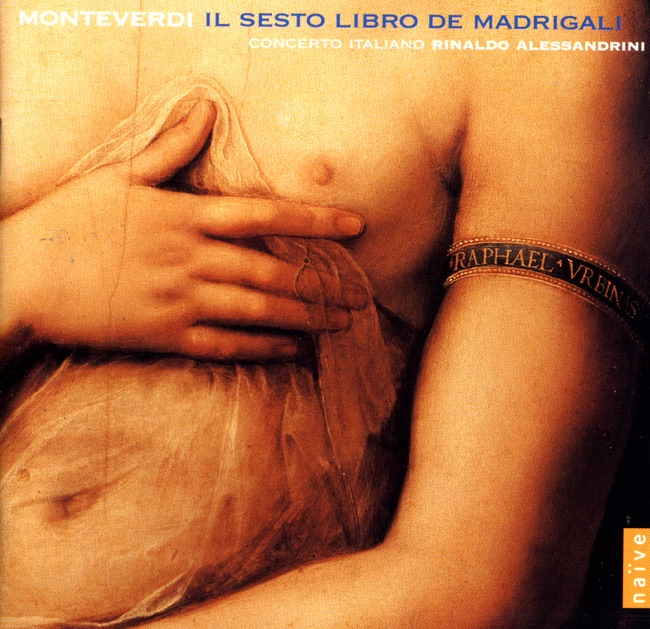
Works Info
Composer:Claudio MonteverdiGenre:ChoralStyle:MadrigalCompose Date:1614Average_duration:66:12Movement_count:18Movement ....Claudio Monteverdi's Madrigals, Book 6, for 5 voices, SV 107-116, was composed in 1614 and premiered in Venice. The book consists of 21 madrigals, divided into two sections: the first section contains 11 madrigals, while the second section contains 10. The madrigals in Book 6 are characterized by Monteverdi's use of chromaticism, dissonance, and word painting. Monteverdi's use of chromaticism, or the use of notes outside of the diatonic scale, creates a sense of tension and instability in the music. This is particularly evident in the madrigal "Cruda Amarilli," where the chromaticism in the vocal lines reflects the pain and anguish expressed in the text. Dissonance is also a prominent feature in Book 6. Monteverdi uses dissonance to create moments of tension and release, as well as to highlight certain words or phrases in the text. In the madrigal "Lamento della Ninfa," for example, the dissonance in the vocal lines emphasizes the nymph's sorrow and despair. Word painting, or the musical representation of specific words or phrases in the text, is another hallmark of Monteverdi's style. In the madrigal "Zefiro Torna," for instance, the music imitates the sound of the wind, with swirling vocal lines and rapid, fluttering rhythms. The movements in Book 6 vary in length and structure. Some madrigals consist of a single section, while others are divided into multiple sections. The madrigal "Lamento della Ninfa," for example, is divided into three sections: a recitative-like introduction, a lamenting aria for the nymph, and a concluding chorus. Overall, Monteverdi's Madrigals, Book 6, for 5 voices, SV 107-116, represents a pinnacle of the madrigal form. Through his use of chromaticism, dissonance, and word painting, Monteverdi creates music that is both emotionally powerful and intellectually stimulating.More....
Works Music
Released Music
2
5:32
3

Madrigals, Book 6, for 5 voices, SV 107-116
Lagrime d'amante al sepolcro dell'amata Prima parte incenerite spoglie, avara tomba
2:5
4

Madrigals, Book 6, for 5 voices, SV 107-116
Lamento d'Arianna, SV 107. Terza parte dove, dove è la fede
2:15
5
Madrigals, Book 6, for 5 voices, SV 107-116
Lamento d'Arianna: Seconda parte: O Teseo, o Tesco mio!
4:16

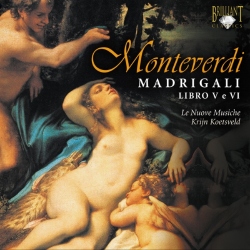
10
5:58
Featured Music
1
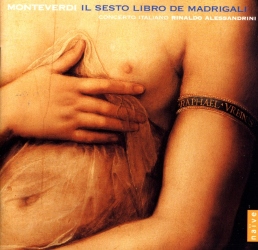
Madrigals, Book 6, for 5 voices, SV 107-116
Lamento d'Arianna. Lasciatemi morire - prima parte
1:50
2
Madrigals, Book 6, for 5 voices, SV 107-116
Lamento d'Arianna. O Teseo, o Teseo mio - seconda parte
4:44
3
Madrigals, Book 6, for 5 voices, SV 107-116
Lamento d'Arianna. Dove, dov'è la fede - terza parte
2:44
4
Madrigals, Book 6, for 5 voices, SV 107-116
Lamento d'Arianna. Ahi, che pur non risponde - quarta e ultima parte
3:35
5
3:55
6
Madrigals, Book 6, for 5 voices, SV 107-116
Una donna fra l'altra, Concertato nel clavicimbalo
3:11
7
Madrigals, Book 6, for 5 voices, SV 107-116
Sestina (Lagrime d'Amante al Sepolcro dell'Amata). Incenerite spoglie - prima parte
2:3
8
Madrigals, Book 6, for 5 voices, SV 107-116
Sestina (Lagrime d'Amante al Sepolcro dell'Amata). Darà la notte il sol - terza parte
2:26
9
Madrigals, Book 6, for 5 voices, SV 107-116
Sestina (Lagrime d'Amante al Sepolcro dell'Amata). Ma te raccoglie - quarta parte
3:16
12
Madrigals, Book 6, for 5 voices, SV 107-116
Presso un fiume tranquillo, Dialogo a 7. Concertato
5:22
Main Perform Artists