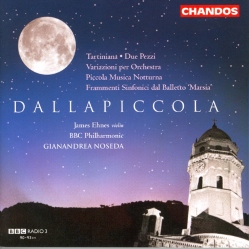
Luigi Dallapiccola
Tartiniana for violin & orchestra
Released Album
Recent Album
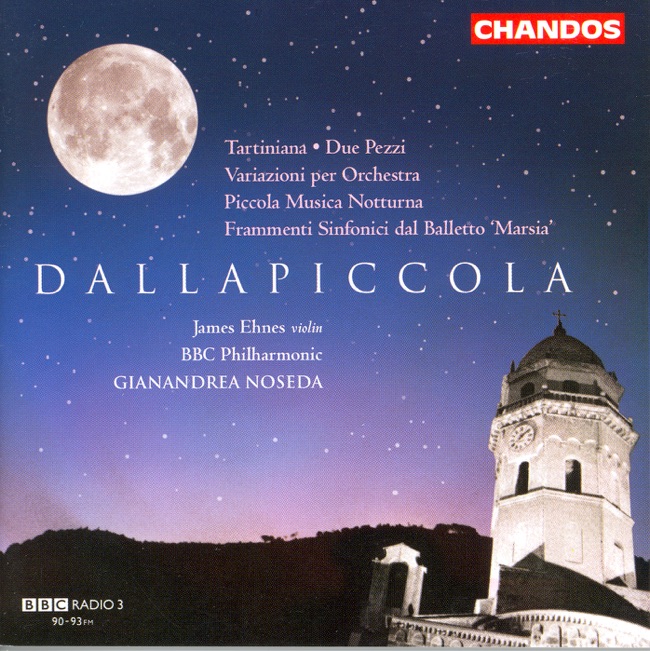
Works Info
Composer:Luigi DallapiccolaGenre:ConcertoStyle:ConcertoAverage_duration:15:28Movement_count:4Movement ....Tartiniana for violin and orchestra is a composition by Italian composer Luigi Dallapiccola. It was composed in 1951 and premiered on January 22, 1952, in Florence, Italy, with violinist Uto Ughi and the Orchestra della RAI di Roma conducted by Fernando Previtali. The piece is divided into four movements, each based on a theme by Italian composer Giuseppe Tartini. The first movement, marked "Allegro," is based on Tartini's Sonata in G minor, known as the "Devil's Trill." The second movement, marked "Adagio," is based on Tartini's Sonata in B minor, known as the "Didone abbandonata." The third movement, marked "Allegro molto," is based on Tartini's Sonata in A major, known as the "Pastorale." The final movement, marked "Andante con variazioni," is based on Tartini's Sonata in G minor, known as the "Giorni." Dallapiccola's Tartiniana is characterized by its use of serialism, a compositional technique that uses a series of pitches to create a musical structure. However, Dallapiccola's use of serialism is not strict, and he often incorporates tonal elements into his music. The piece also features virtuosic passages for the solo violin, showcasing the technical abilities of the performer. Overall, Tartiniana for violin and orchestra is a challenging and complex work that showcases Dallapiccola's unique approach to composition. Its use of Tartini's themes adds a historical and cultural context to the piece, while its modernist techniques make it a significant contribution to the repertoire of 20th-century classical music.More....
Works Music
Released Music