Zoltán Kodály
Laudes organi
Released Album
Recent Album
-
 Various ArtistsDecember 11, 2020
 -
-
-
-
-
Works Info
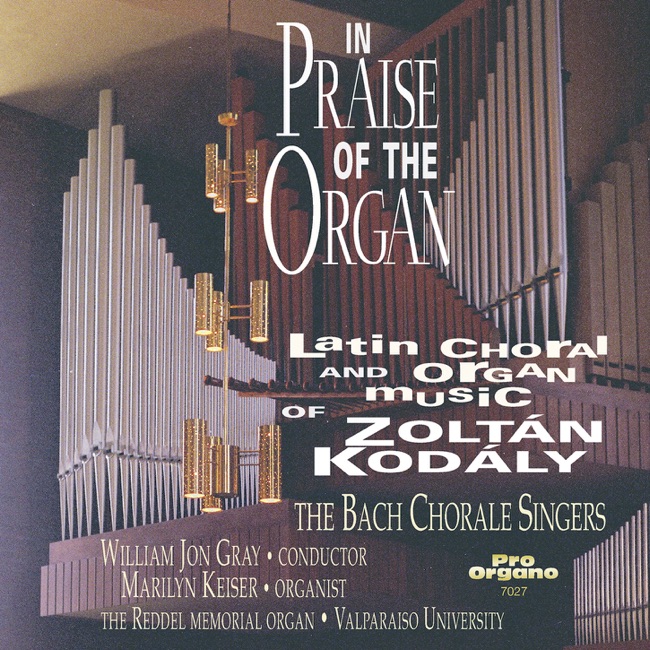
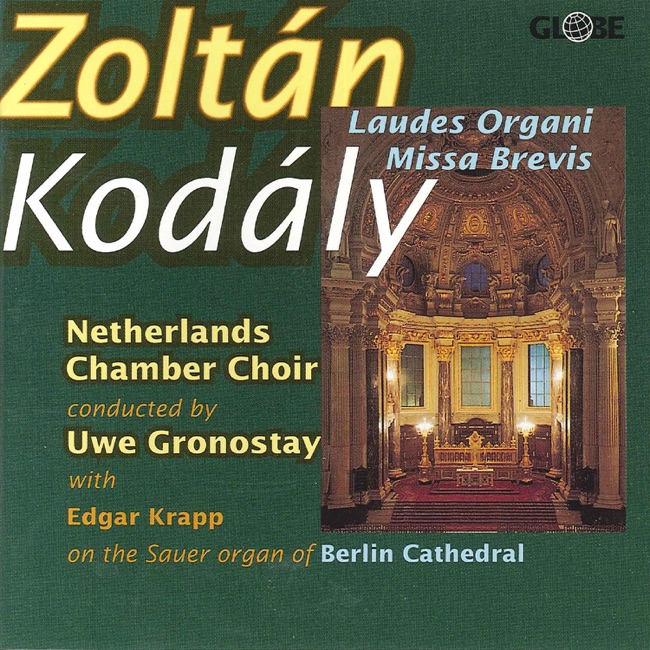
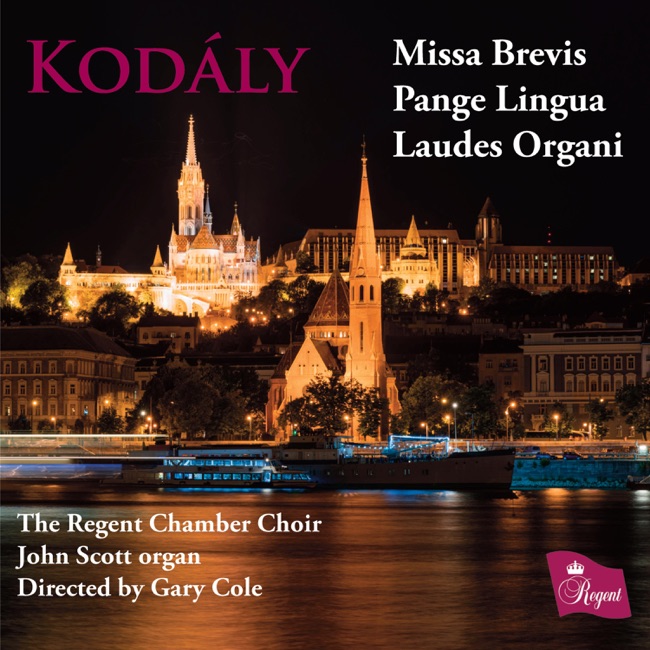
Composer:Zoltán KodályGenre:ChoralStyle:ChoralCompose Date:1966Publication Date:1966Average_duration:20:15Laudes organi is a choral work composed by Zoltán Kodály in 1966. It was premiered on August 20, 1966, at the Matthias Church in Budapest, Hungary, as part of the celebrations for the 900th anniversary of the foundation of the Hungarian state. The work is divided into five movements, each of which is based on a Gregorian chant melody. The first movement, "Deus in adjutorium," is a short and lively piece that sets the tone for the rest of the work. The second movement, "Laudes organi," is the longest and most complex of the five. It features a rich and intricate interplay between the choir and the organ, with the choir singing the chant melody and the organ providing a complex and virtuosic accompaniment. The third movement, "Hymnus: Ave maris stella," is a serene and contemplative piece that features a solo soprano singing the chant melody. The fourth movement, "Prosa: Veni Sancte Spiritus," is a lively and joyful piece that features the choir singing in unison and in harmony. The final movement, "Responsorium: Christus factus est," is a solemn and meditative piece that features the choir singing in a slow and mournful tempo. The characteristics of Laudes organi reflect Kodály's interest in the music of the Middle Ages and his desire to create a work that would be both modern and rooted in tradition. The use of Gregorian chant melodies and the interplay between the choir and the organ are typical of Kodály's style, as is the use of complex rhythms and harmonies. The work is also notable for its use of solo voices and its emphasis on the text, which is sung in Latin. Overall, Laudes organi is a powerful and moving work that showcases Kodály's mastery of choral composition and his deep understanding of the musical traditions of the past. Its premiere in 1966 was a significant event in the history of Hungarian music, and it continues to be performed and admired by choirs and audiences around the world.More....