Franz Liszt
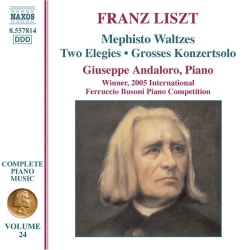
Mephisto Waltz, for piano No. 4 (II), S. 696
Released Album
Recent Album




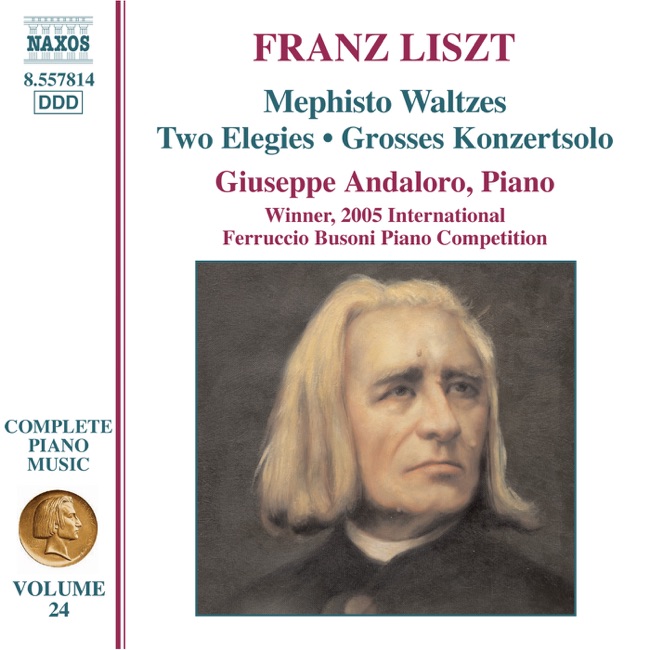
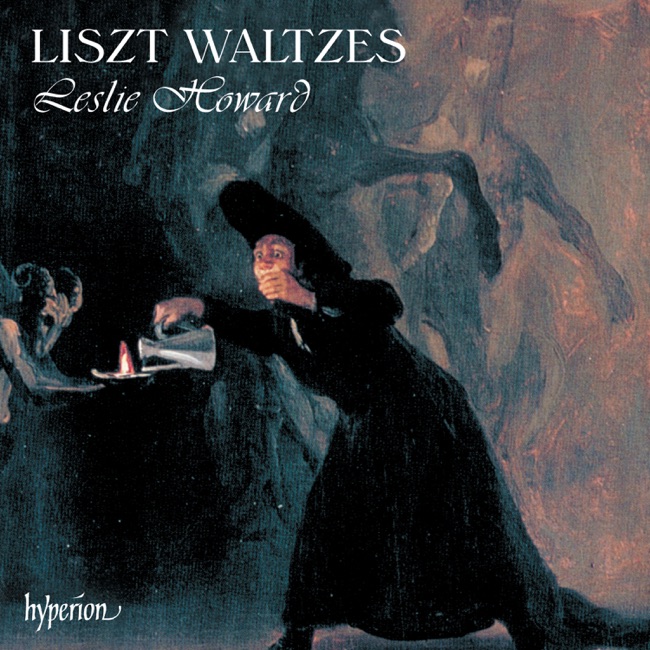
Featured Album

Works Info
Composer:Franz LisztGenre:KeyboardStyle:WaltzCompose Date:1885Publication Date:1956 - 1978Average_duration:3:41The Mephisto Waltz No. 4 (II), S. 696 is a piano piece composed by Franz Liszt in 1885. It is the fourth and final piece in a set of waltzes inspired by the character of Mephistopheles, the devil from Goethe's Faust. The piece was premiered by Liszt himself in Budapest in 1885. The Mephisto Waltz No. 4 is a one-movement piece that is approximately 10 minutes in length. It is characterized by its virtuosic piano writing, with rapid runs and arpeggios throughout. The piece is also notable for its use of chromaticism and dissonance, which create a sense of tension and unease. The piece begins with a slow, mysterious introduction that sets the stage for the devilish waltz to come. The waltz itself is fast and lively, with a playful and mischievous character that evokes the devil's seductive nature. The waltz is interrupted by a slower, more lyrical section that features a haunting melody played in the upper register of the piano. This section builds to a climax before returning to the waltz theme. The Mephisto Waltz No. 4 is a challenging piece to play, requiring a high level of technical skill and musicality. It is often performed by advanced pianists in recitals and competitions. The piece is also notable for its influence on later composers, including Debussy and Ravel, who were inspired by Liszt's use of chromaticism and dissonance. Overall, the Mephisto Waltz No. 4 is a thrilling and dramatic piece that showcases Liszt's virtuosic piano writing and innovative use of harmony. It remains a popular and influential work in the piano repertoire.More....
Works Music
Released Music



Featured Music