Eugen d'Albert
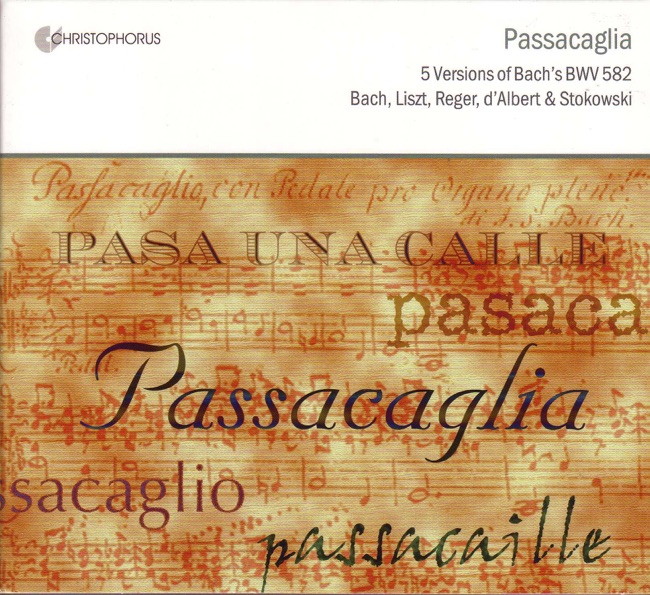
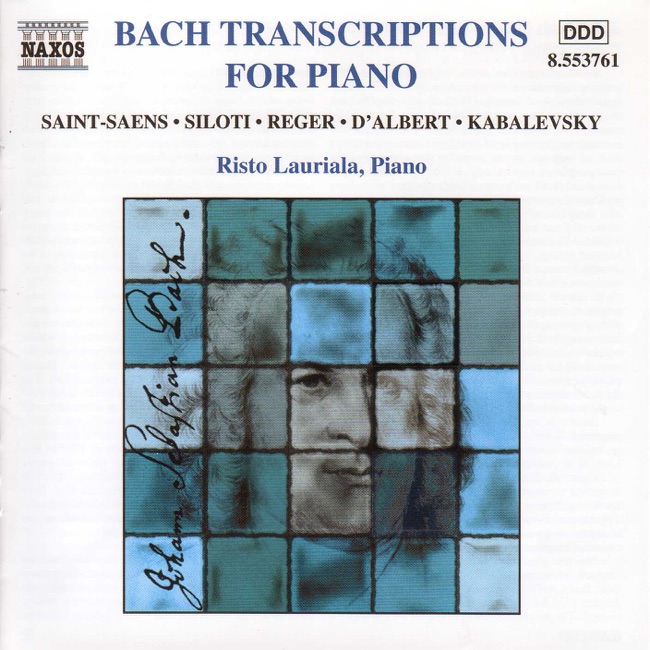
Passacaglia (transcription from Bach, BWV582)
Released Album
Recent Album
Works Info
Composer:Eugen d'AlbertGenre:KeyboardStyle:PassacagliaAverage_duration:12:36Eugen d'Albert's Passacaglia is a transcription of Johann Sebastian Bach's BWV582, originally composed for organ. D'Albert, a German composer and pianist, transcribed the piece for piano in 1901. The Passacaglia was premiered by d'Albert himself in Berlin on November 22, 1901. The Passacaglia is a single movement work that follows the structure of the original organ piece. It is based on a repeating bass line, or passacaglia, that is heard throughout the piece. D'Albert's transcription for piano captures the grandeur and complexity of Bach's original work, while also highlighting the unique qualities of the piano. The Passacaglia is characterized by its use of counterpoint, or the interweaving of multiple melodic lines. D'Albert's transcription emphasizes the contrapuntal nature of the piece, with each hand playing distinct and intricate melodies that intertwine with each other. The piece also features a wide range of dynamics, from soft and delicate passages to powerful and dramatic climaxes. One of the most striking aspects of the Passacaglia is its use of chromaticism, or the use of notes outside of the traditional diatonic scale. D'Albert's transcription highlights the chromaticism of the piece, with dissonant and unexpected harmonies adding to the overall complexity and richness of the work. Overall, d'Albert's transcription of Bach's Passacaglia is a masterful adaptation of a beloved organ work for the piano. Its intricate counterpoint, dynamic range, and use of chromaticism make it a challenging and rewarding piece for pianists to perform.More....
Works Music