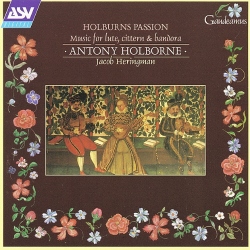
Antony Holborne
Queenes Galliard
Released Album
Recent Album
Featured Album
Works Info
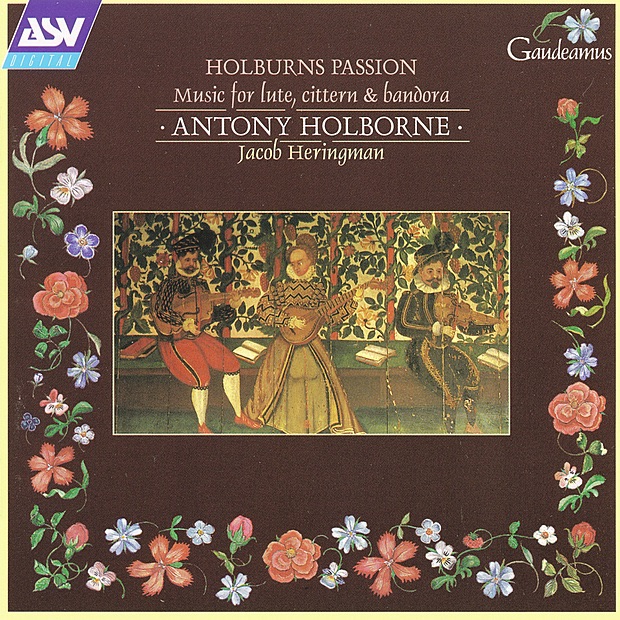
Composer:Antony HolborneGenre:OrchestralStyle:GalliardAverage_duration:2:32Antony Holborne was an English composer and lutenist who lived during the Renaissance period. He is known for his instrumental music, particularly for the lute, and his compositions were widely popular during his time. One of his most famous works is the "Queenes Galliard," which was composed in the late 16th century. The "Queenes Galliard" is a piece of music that was composed for the lute. It is a dance piece that was likely intended to be performed at court, and it is named after Queen Elizabeth I, who was the reigning monarch of England at the time. The piece is composed in a galliard rhythm, which is a fast-paced dance rhythm that was popular during the Renaissance period. The "Queenes Galliard" is divided into four movements, each of which has its own distinct character. The first movement is lively and energetic, with a strong emphasis on the rhythm. The second movement is more subdued, with a slower tempo and a more contemplative mood. The third movement is more complex, with intricate melodic lines and a more elaborate structure. The final movement is a return to the lively and energetic mood of the first movement, with a strong emphasis on the rhythm and a sense of joy and celebration. One of the characteristics of the "Queenes Galliard" is its use of counterpoint. Counterpoint is a technique in which two or more melodic lines are played simultaneously, creating a complex and harmonically rich texture. Holborne was known for his skill in counterpoint, and the "Queenes Galliard" is a prime example of his mastery of this technique. Another characteristic of the "Queenes Galliard" is its use of ornamentation. Ornamentation is the addition of decorative elements to a melody, such as trills, turns, and grace notes. Holborne was known for his use of ornamentation, and the "Queenes Galliard" is a showcase for his skill in this area. The "Queenes Galliard" was likely premiered at court during the late 16th century, and it quickly became a popular piece of music. It has since become one of Holborne's most famous compositions, and it is still performed and recorded today. Its lively rhythms, complex harmonies, and intricate melodies make it a masterpiece of Renaissance instrumental music.More....
Works Music