Lupus Hellinck
New Almanack
Released Album
Recent Album
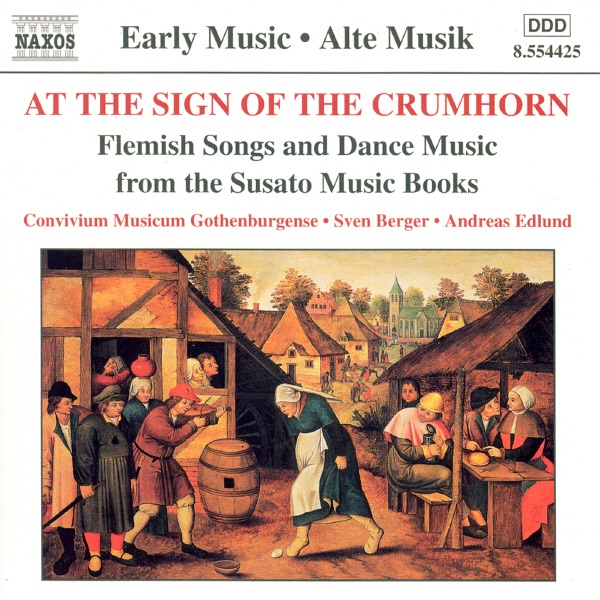
Works Info
Composer:Lupus HellinckAverage_duration:1:31New Almanack is a choral work composed by Lupus Hellinck, a Flemish composer, in the 16th century. The piece was composed in 1552 and premiered in Antwerp, Belgium. It is a collection of twelve movements, each representing a month of the year. The work is written for four voices, with each voice representing a different part of the year. The first movement, representing January, is a lively and energetic piece with a strong rhythmic pulse. The second movement, representing February, is more subdued and melancholic, with a slower tempo and a more contemplative mood. March, the third movement, is a lively and playful piece with a strong sense of forward motion. April, the fourth movement, is a more introspective piece with a slower tempo and a more contemplative mood. May, the fifth movement, is a joyful and celebratory piece with a strong sense of exuberance and energy. June, the sixth movement, is a more subdued and introspective piece with a slower tempo and a more contemplative mood. July, the seventh movement, is a lively and energetic piece with a strong rhythmic pulse. August, the eighth movement, is a more subdued and introspective piece with a slower tempo and a more contemplative mood. September, the ninth movement, is a lively and playful piece with a strong sense of forward motion. October, the tenth movement, is a more introspective piece with a slower tempo and a more contemplative mood. November, the eleventh movement, is a more subdued and melancholic piece with a slower tempo and a more contemplative mood. December, the twelfth and final movement, is a joyful and celebratory piece with a strong sense of exuberance and energy. Overall, New Almanack is a lively and energetic work that captures the spirit of the changing seasons. The piece is characterized by its strong rhythmic pulse, playful melodies, and contemplative moods. It is a testament to the skill and creativity of Lupus Hellinck, and remains a beloved work of choral music to this day.More....