


William Boyce
Voluntaries (10) for organ (or harpsichord), No 9
Released Album
Recent Album
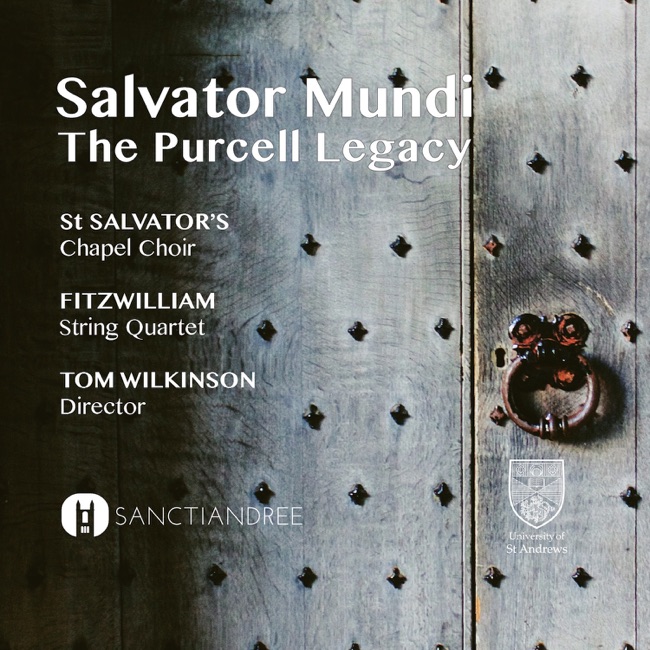
Featured Album
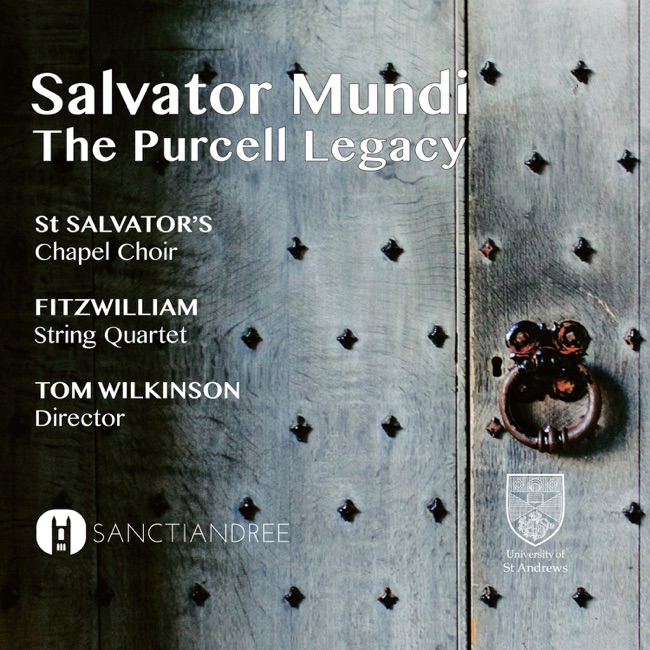
Works Info
Composer:William BoyceGenre:KeyboardAverage_duration:2:38William Boyce was an English composer who lived from 1711 to 1779. He was a prolific composer of instrumental and vocal music, and his works were widely performed during his lifetime. One of his most famous works is the set of ten Voluntaries for organ (or harpsichord), which he composed in the mid-18th century. The Voluntaries were composed in the Baroque style, which was popular in England during Boyce's lifetime. They were intended to be played as preludes or postludes during church services, and they were also suitable for performance in concert settings. The Voluntaries are characterized by their virtuosic keyboard writing, their use of counterpoint, and their rich harmonies. The ninth Voluntary in the set is one of the most famous. It is in the key of G minor and is composed in three movements. The first movement is a slow and stately introduction, marked "Largo." It features a simple melody in the right hand, accompanied by a rich and full harmony in the left hand. The second movement is a lively and energetic fugue, marked "Allegro." It features a complex and intricate interplay between the different voices of the fugue, and it builds to a thrilling climax. The third movement is a gentle and lyrical minuet, marked "Andante." It features a simple and elegant melody, accompanied by a delicate and intricate counterpoint in the left hand. The ninth Voluntary is a masterpiece of Baroque keyboard writing. It showcases Boyce's skill as a composer and his ability to create music that is both technically challenging and emotionally expressive. It is a testament to the enduring popularity of Boyce's music that the Voluntaries are still widely performed and enjoyed today, more than 250 years after they were composed.More....
Works Music
Released Music
Featured Music
