Matthias Weckmann
Weine nicht, es hat überwunden
Released Album
Recent Album

Works Info
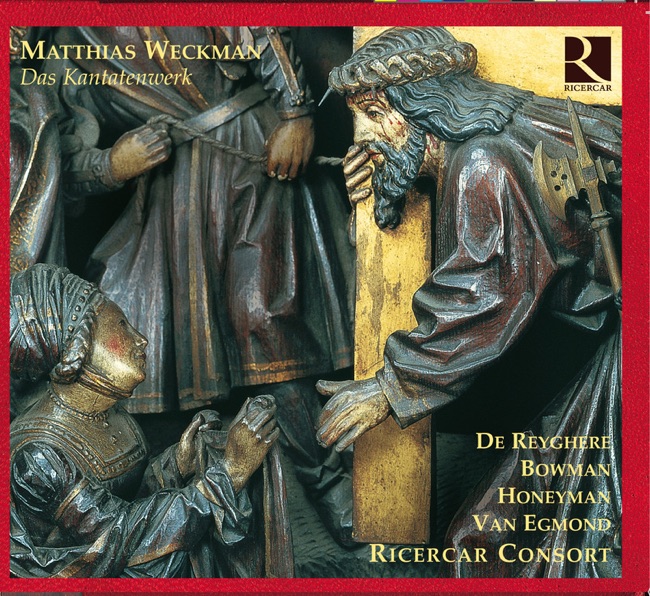
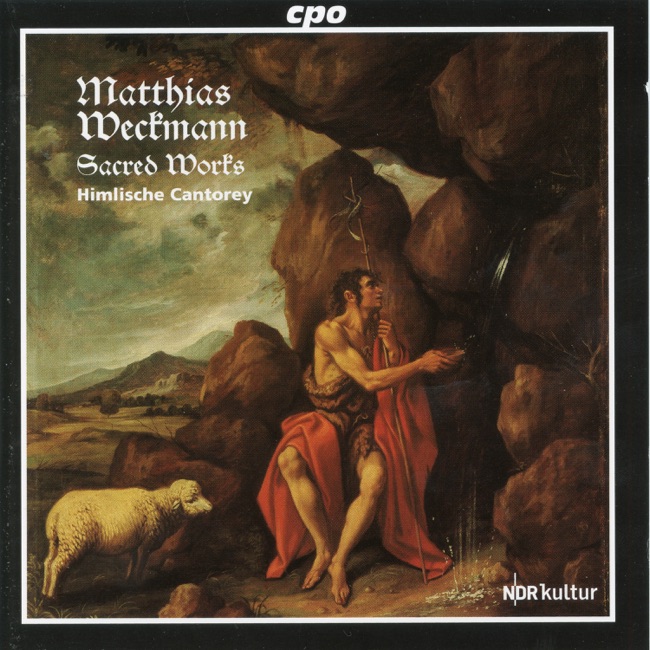
Composer:Matthias WeckmannGenre:KeyboardStyle:KeyboardAverage_duration:13:29Matthias Weckmann was a German composer and organist of the Baroque era. He was born in 1616 in Thuringia and died in 1674 in Hamburg. Weckmann was a student of Heinrich Schütz and was greatly influenced by his teacher's style. Weckmann's music is characterized by its expressive and emotional qualities, as well as its use of chromaticism and dissonance. One of Weckmann's most famous works is his cantata "Weine nicht, es hat überwunden" (Do not weep, it has overcome). The cantata was composed in 1663 and premiered in Hamburg. It is a sacred work that tells the story of Christ's resurrection and the joy that it brings to believers. The cantata is divided into six movements, each of which has its own distinct character and musical style. The first movement is a sinfonia that sets the tone for the entire work. It is a lively and joyful piece that features a prominent trumpet part. The second movement is a recitative that tells the story of Christ's resurrection. The music is dramatic and expressive, with frequent use of dissonance and chromaticism. The third movement is an aria that expresses the joy and hope that believers feel in the wake of Christ's resurrection. The music is light and airy, with a dance-like quality. The fourth movement is a duet between soprano and bass that celebrates the victory of Christ over death. The music is joyful and celebratory, with frequent use of trills and ornamentation. The fifth movement is a recitative that reminds listeners of the suffering that Christ endured before his resurrection. The music is somber and reflective, with a sense of sadness and loss. The final movement is a chorale that brings the cantata to a close. The music is simple and straightforward, with a sense of peace and contentment. Overall, "Weine nicht, es hat überwunden" is a powerful and emotional work that captures the essence of the Easter story. Weckmann's use of expressive harmonies and dramatic musical gestures make this cantata a true masterpiece of the Baroque era.More....
Works Music
Released Music