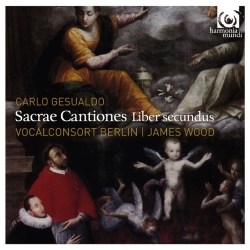
Carlo Gesualdo
Adoramus te, Christe, W. 9/51
Released Album
Recent Album
-
 Julie WintrebertNovember 22, 2019
 -
-
Featured Album

Works Info
Composer:Carlo GesualdoGenre:ChoralCompose Date:1603Average_duration:2:04Carlo Gesualdo, Prince of Venosa, was an Italian composer of the late Renaissance period. He is known for his highly expressive and chromatic music, which was ahead of its time and anticipated many features of Baroque music. One of his most famous works is the motet "Adoramus te, Christe," which is a setting of a Latin text that praises Christ and asks for his mercy. The composition date of "Adoramus te, Christe" is uncertain, but it is believed to have been written in the late 16th century, around the same time as Gesualdo's other sacred works. The piece has five movements, each of which is characterized by a different mood and musical style. The first movement is a solemn and meditative setting of the opening words of the text, "Adoramus te, Christe." The music is slow and contemplative, with long phrases and rich harmonies that create a sense of awe and reverence. The second movement is a lively and joyful setting of the words "Quia per sanctam crucem tuam redemisti mundum" (For by your holy cross you have redeemed the world). The music is fast and rhythmic, with lively counterpoint and intricate vocal lines that convey the exuberance of the text. The third movement is a mournful and introspective setting of the words "Miserere nobis" (Have mercy on us). The music is slow and melancholy, with dissonant harmonies and expressive vocal lines that convey the sorrow and contrition of the text. The fourth movement is a dramatic and intense setting of the words "Quia tu solus sanctus" (For you alone are holy). The music is fast and furious, with jagged rhythms and angular vocal lines that convey the awe and fear inspired by the holiness of Christ. The final movement is a peaceful and serene setting of the closing words of the text, "Amen" (So be it). The music is slow and gentle, with simple harmonies and a sense of calm and resolution that brings the piece to a peaceful conclusion. Overall, "Adoramus te, Christe" is a powerful and emotionally charged work that showcases Gesualdo's unique style and his ability to convey complex emotions through music. Its rich harmonies, intricate counterpoint, and expressive vocal lines make it a masterpiece of the late Renaissance period.More....
Works Music
Released Music
Featured Music