


Johann Pachelbel
Chorale Prelude "Wo Gott der Herr nicht bei uns hält" (II), T. 72
Released Album
Recent Album
Works Info
Composer:Johann PachelbelGenre:KeyboardStyle:Chorale PreludeCompose Date:before Apr 1706Publication Date:1903Average_duration:2:06Johann Pachelbel's 'Chorale Prelude Wo Gott der Herr nicht bei uns hält (II), T. 72' is a piece of music that was composed in the Baroque era. The piece is a chorale prelude, which is a type of composition that is based on a hymn or chorale melody. The piece was composed in the late 17th century, and it premiered in Germany. The 'Chorale Prelude Wo Gott der Herr nicht bei uns hält (II), T. 72' is a short piece of music that is divided into three movements. The first movement is slow and solemn, and it features the chorale melody in the upper voice. The second movement is faster and more lively, and it features a more complex counterpoint. The third movement is a return to the slow and solemn style of the first movement, and it features the chorale melody in the lower voice. One of the characteristics of Pachelbel's 'Chorale Prelude Wo Gott der Herr nicht bei uns hält (II), T. 72' is its use of counterpoint. Counterpoint is a technique in which two or more melodies are played simultaneously, and it was a hallmark of Baroque music. Pachelbel's use of counterpoint in this piece is particularly effective, as it creates a rich and complex texture that is both beautiful and engaging. Another characteristic of the piece is its use of harmony. Pachelbel was known for his use of harmony, and the 'Chorale Prelude Wo Gott der Herr nicht bei uns hält (II), T. 72' is no exception. The piece features a rich and varied harmonic language that is both expressive and beautiful. Overall, Pachelbel's 'Chorale Prelude Wo Gott der Herr nicht bei uns hält (II), T. 72' is a beautiful and engaging piece of music that showcases the composer's skill in counterpoint and harmony. Its use of the chorale melody and its three-movement structure make it a classic example of the chorale prelude genre, and it remains a popular piece of music to this day.More....
Works Music
Released Music
1
3:5
2
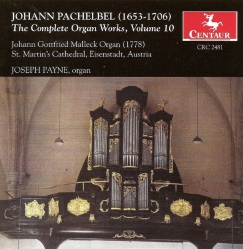
1:44
3
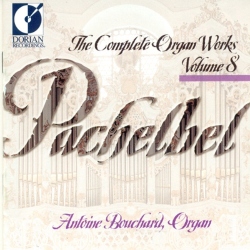
2:29