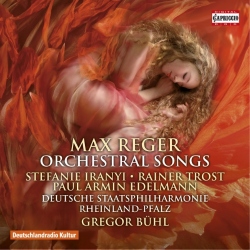
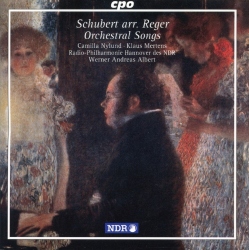
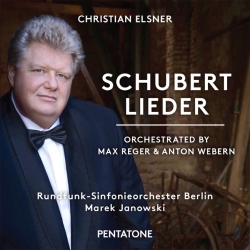
Max Reger
An den Mond (after Schubert, D 296)
Released Album
Recent Album
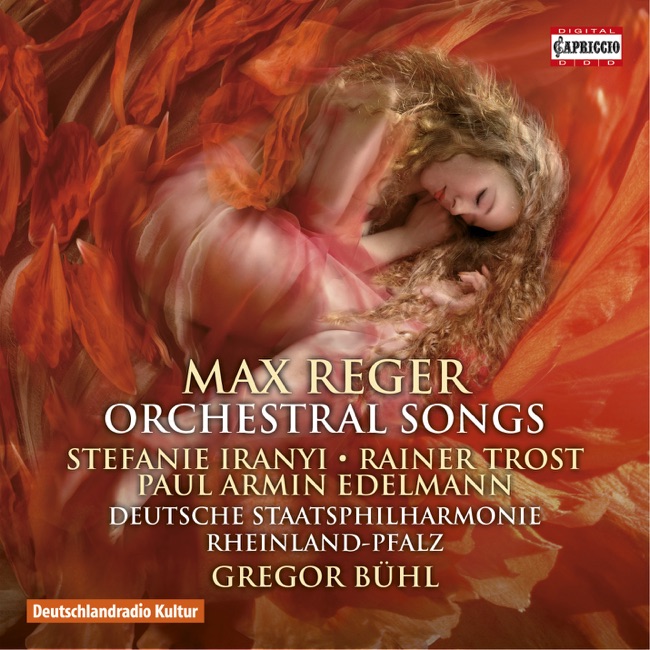
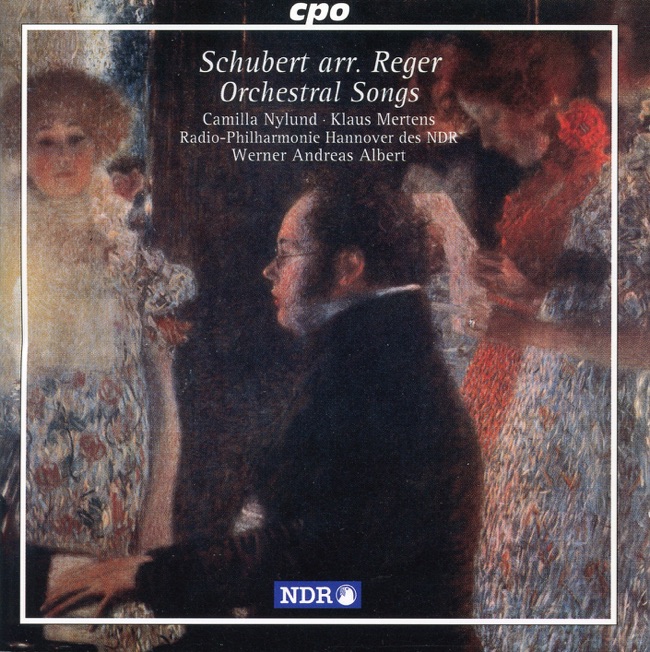
Featured Album
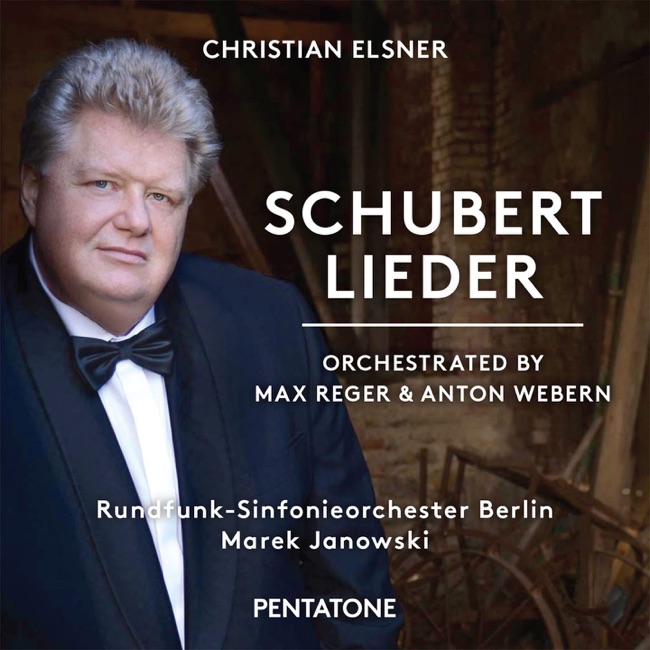
Works Info
Composer:Max RegerGenre:VocalStyle:Vocal MusicCompose Date:1914Average_duration:4:43"An den Mond (after Schubert, D 296)" is a composition by Max Reger, a German composer, pianist, and conductor. The piece was composed in 1901 and premiered on January 26, 1902, in Munich, Germany. The composition is a setting of a poem by Johann Wolfgang von Goethe, which was originally set to music by Franz Schubert in 1815. Reger's version is a transcription of Schubert's original work, which he arranged for voice and piano. The piece is divided into three movements, each of which is characterized by a different mood and tempo. The first movement, marked "Andante con moto," is a slow and contemplative piece that features a simple, yet expressive melody. The piano accompaniment is sparse, with gentle arpeggios and occasional chords that provide a subtle harmonic foundation for the vocal line. The overall mood of the movement is introspective and melancholic, reflecting the poem's themes of longing and unrequited love. The second movement, marked "Allegro vivace," is a lively and energetic piece that contrasts sharply with the first movement. The vocal line is more virtuosic, with rapid runs and leaps that showcase the singer's technical abilities. The piano accompaniment is similarly lively, with fast, staccato chords and arpeggios that create a sense of urgency and excitement. The overall mood of the movement is joyful and exuberant, reflecting the poem's themes of youthful passion and vitality. The third and final movement, marked "Andante sostenuto," returns to the introspective mood of the first movement. The vocal line is once again simple and expressive, with a haunting melody that is accompanied by gentle, sustained chords in the piano. The overall mood of the movement is wistful and nostalgic, reflecting the poem's themes of loss and regret. Overall, "An den Mond (after Schubert, D 296)" is a beautiful and expressive composition that showcases Reger's skill as a composer and arranger. The piece is notable for its sensitive treatment of Schubert's original work, as well as its ability to capture the emotional depth and complexity of Goethe's poetry.More....
Works Music