


Gottfried Huppertz
Die Nibelungen
Released Album
Recent Album
Works Info
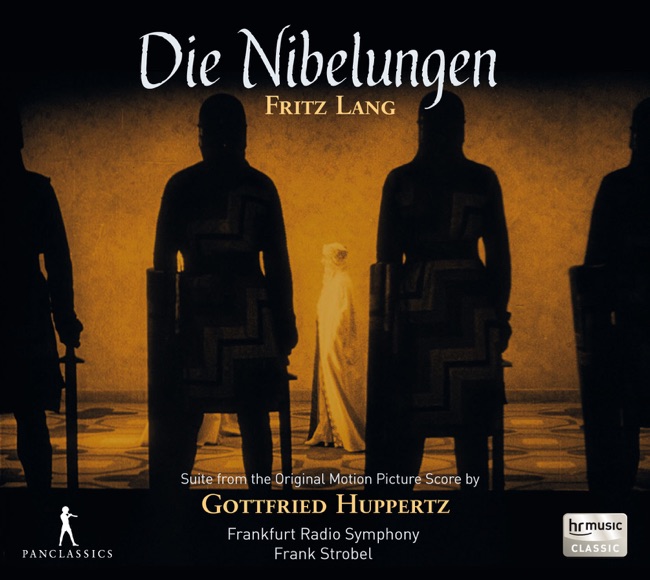
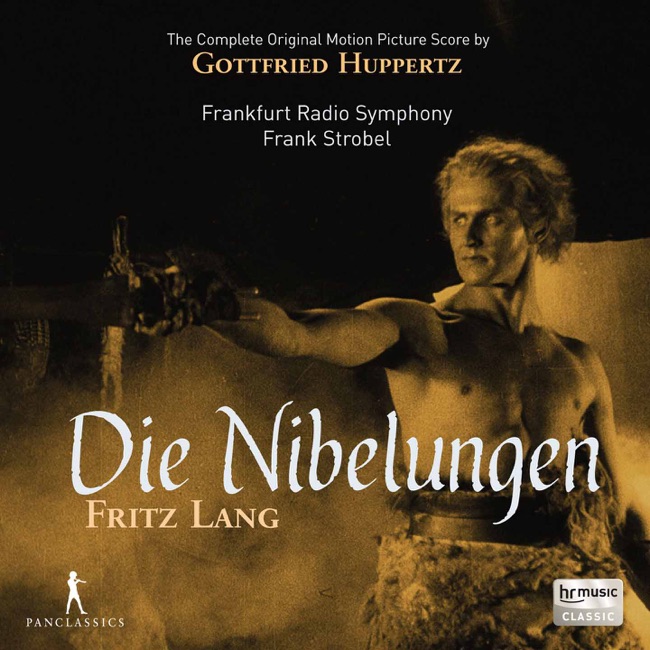
Composer:Gottfried HuppertzGenre:FilmCompose Date:1924Average_duration:04:30:28Die Nibelungen is a two-part silent film directed by Fritz Lang, released in 1924. The first part, Siegfried, premiered on February 14, 1924, and the second part, Kriemhild's Revenge, premiered on April 26, 1924. The film is based on the epic poem Nibelungenlied, which tells the story of the hero Siegfried and his tragic fate. The film is divided into two parts, each with its own distinct musical score composed by Gottfried Huppertz. The first part, Siegfried, is divided into five movements, each corresponding to a different section of the film. The first movement, "The Nibelungs," introduces the main characters and sets the stage for the story. The second movement, "Siegfried's Journey," follows Siegfried as he travels to the land of the Burgundians. The third movement, "The Dragon," features the famous scene in which Siegfried slays the dragon and takes possession of the treasure hoard. The fourth movement, "The Betrayal," depicts the treacherous murder of Siegfried by Hagen, a trusted advisor to the Burgundian king. The final movement, "The Funeral March," mourns the loss of Siegfried and sets the stage for the second part of the film. The second part, Kriemhild's Revenge, is divided into six movements. The first movement, "The Wedding," depicts the marriage of Kriemhild, Siegfried's widow, to the King of the Huns. The second movement, "The Conspiracy," shows Kriemhild plotting her revenge against Hagen and the Burgundians. The third movement, "The Battle," features a massive battle between the Burgundians and the Huns. The fourth movement, "The Slaughter," depicts the brutal massacre of the Burgundians by the Huns. The fifth movement, "The Fire," shows Kriemhild burning down the palace in which the Burgundians are hiding. The final movement, "The End," brings the story to a tragic conclusion. Huppertz's score for Die Nibelungen is a masterpiece of early film music. It features a wide range of musical styles, from Wagnerian leitmotifs to folk melodies and military marches. The score is notable for its use of leitmotifs, which are musical themes associated with specific characters or events in the film. For example, the "Siegfried Theme" is a heroic melody that is associated with the character of Siegfried, while the "Hagen Theme" is a sinister motif that is associated with the treacherous advisor Hagen. Overall, Die Nibelungen is a landmark film in the history of cinema, and Huppertz's score is an essential part of its success. The film's epic scope and tragic themes are perfectly complemented by Huppertz's powerful and evocative music.More....
Works Music
Released Music
Main Perform Artists