


Gottfried Huppertz
Released Album
Film
-
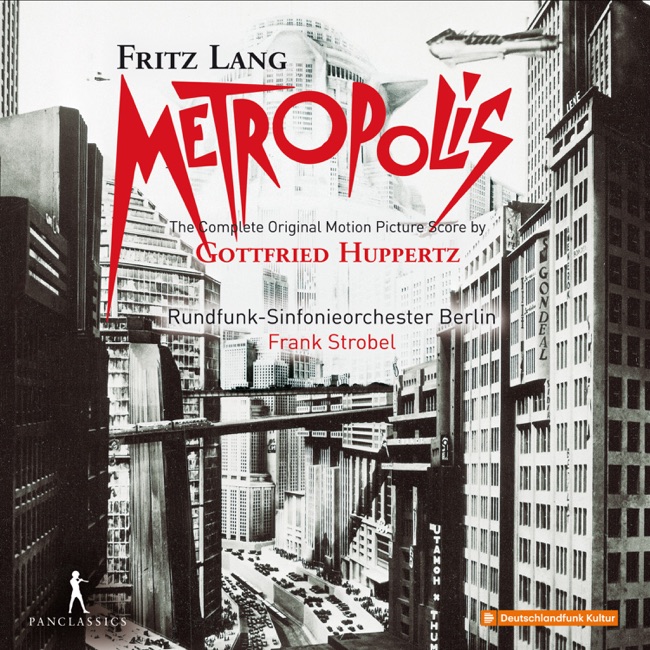
-
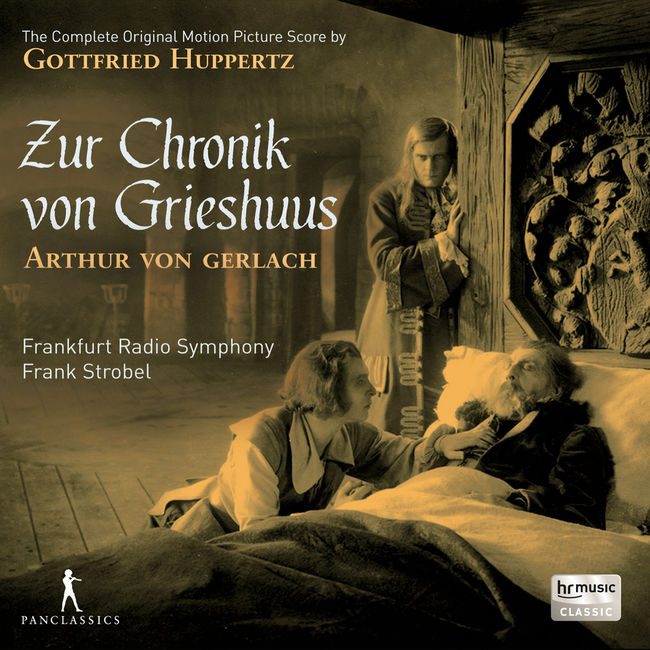 September 30, 2016
 -
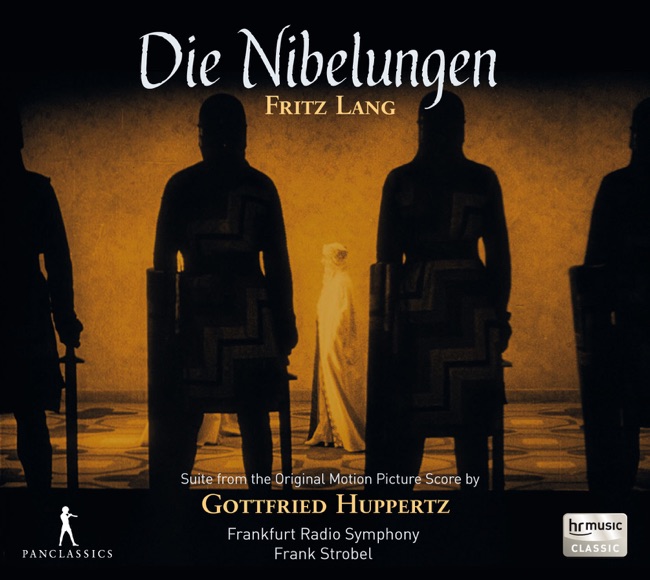
-
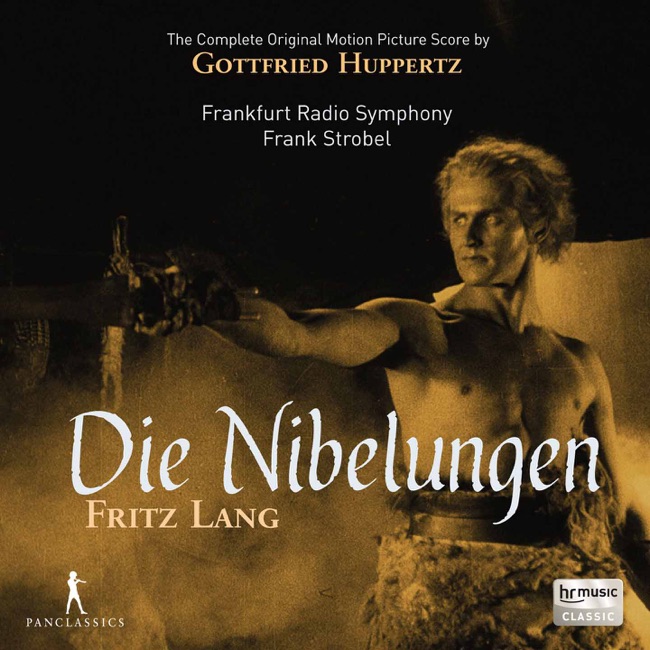 September 25, 2015
 -
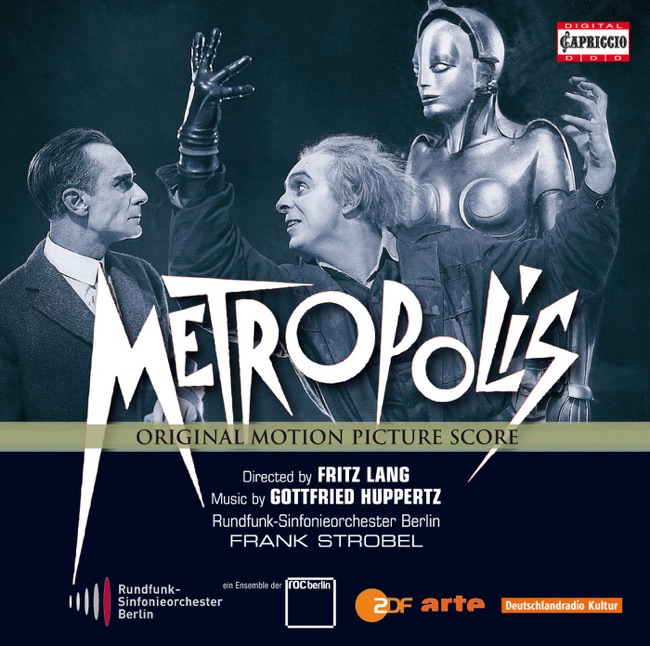 June 28, 2011
Artist Info
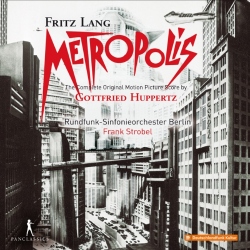
Role:ComposerBirth:March 11, 1887 in Cologne, GermanyDeath:February 7, 1937Period:ModernGottfried Huppertz was a German composer and conductor who lived from March 11, 1887, to February 7, 1937. He is best known for his work as a film composer, particularly for his score for Fritz Lang's silent film masterpiece, "Metropolis." Huppertz was born in Cologne, Germany, to a family of musicians. His father was a conductor and his mother was a singer, and both of his parents encouraged his musical talents from a young age. Huppertz began studying piano and composition at the Cologne Conservatory when he was just six years old, and he continued his studies there until he was 18. After completing his studies at the conservatory, Huppertz began working as a conductor and composer in various theaters throughout Germany. He quickly gained a reputation as a talented and innovative composer, and his works were well-received by audiences and critics alike. In 1919, Huppertz was hired by the UFA film studio to compose the score for their upcoming film, "Die Pest in Florenz." This was Huppertz's first foray into film composition, and it proved to be a success. He went on to compose scores for several more UFA films, including "Dr. Mabuse, the Gambler" and "The Love of Jeanne Ney." However, it was Huppertz's score for Fritz Lang's "Metropolis" that would cement his place in film history. The film, which was released in 1927, was a groundbreaking work of science fiction that explored themes of industrialization, class struggle, and the dangers of unchecked technological progress. Huppertz's score, which was performed live by a full orchestra during the film's initial run, was an integral part of the film's success. Huppertz's score for "Metropolis" was a complex and ambitious work that incorporated elements of classical music, opera, and jazz. It featured a large orchestra, a choir, and several soloists, and it was divided into several distinct sections that corresponded to different scenes in the film. The score was praised for its ability to enhance the emotional impact of the film, and it remains one of the most iconic film scores of all time. After the success of "Metropolis," Huppertz continued to work as a film composer, but he also continued to compose concert music. He wrote several operas, including "Die Nibelungen" and "Alraune," as well as several orchestral works and chamber music pieces. Huppertz's music was characterized by its lush harmonies, complex rhythms, and dramatic flair. He was influenced by the music of Richard Wagner and Richard Strauss, as well as by the emerging jazz and popular music of the time. His music was often described as cinematic, even before he began working in film, and it was noted for its ability to evoke vivid images and emotions in the listener. Despite his success as a composer, Huppertz's life was not without its struggles. He suffered from health problems throughout his life, and he struggled with depression and alcoholism. He also faced financial difficulties, particularly after the rise of the Nazi party in Germany. Huppertz was a vocal opponent of the Nazis, and his music was banned from performance during the Third Reich. Huppertz died in 1937 at the age of 49, leaving behind a legacy of innovative and influential music. His score for "Metropolis" remains one of the most iconic film scores of all time, and his concert music continues to be performed and recorded today.More....
Recent Artist Music
3
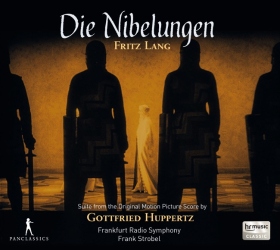
The Nibelungs
Teil 1. 2. Gesang. Wie Volker von Siegfried sang und wie Siegfried nach Worms kam
9:11
Copyright Ⓒ 2013 Davinci Finger. All rights reseved
Service Terms & Policy