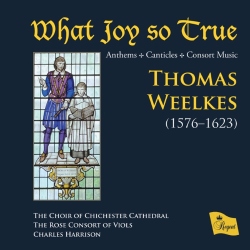
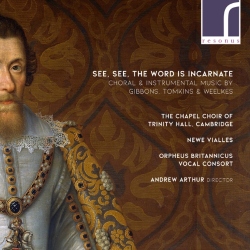
Thomas Weelkes
In Nomine No.2
Released Album
Recent Album
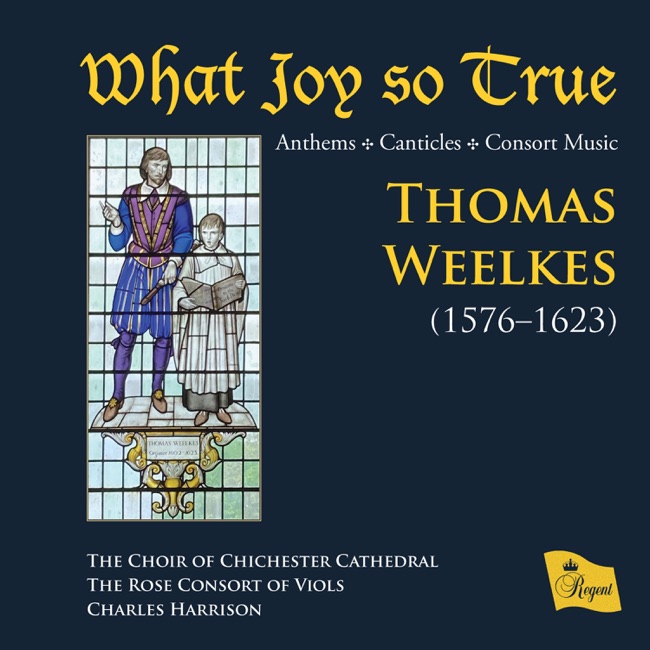
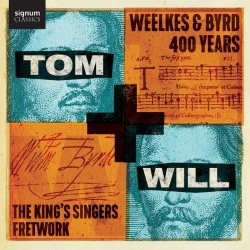
Featured Album
Works Info
Composer:Thomas WeelkesGenre:ChamberPublication Date:1955Average_duration:3:54Thomas Weelkes was an English composer and organist who lived from 1576 to 1623. He was known for his madrigals and church music, and his works were highly regarded during his lifetime. One of his most famous works is the "In Nomine No.2," which was composed in the early 17th century. The "In Nomine No.2" is a piece of instrumental music that was written for a consort of viols. It is a type of music that was popular in England during the Renaissance, and it was often played at court and in private homes. The piece is based on a melody called the "In Nomine," which was a popular tune in England during the 16th century. The "In Nomine No.2" is divided into six movements, each of which is based on the "In Nomine" melody. The first movement is a slow and stately introduction, which sets the tone for the rest of the piece. The second movement is a lively dance, which features a fast and intricate melody. The third movement is a slow and mournful piece, which is characterized by its use of dissonance and chromaticism. The fourth movement is a lively and playful piece, which features a call-and-response between the different instruments. The fifth movement is a slow and contemplative piece, which is characterized by its use of suspensions and resolutions. The final movement is a fast and lively dance, which brings the piece to a rousing conclusion. The "In Nomine No.2" is characterized by its use of counterpoint, which is the technique of combining different melodies to create a complex and harmonious whole. Weelkes was a master of counterpoint, and he used it to great effect in this piece. The piece is also characterized by its use of chromaticism, which is the technique of using notes that are outside of the key to create tension and interest. The "In Nomine No.2" was premiered in the early 17th century, and it quickly became one of Weelkes' most popular works. It was often played at court and in private homes, and it was regarded as a masterpiece of English instrumental music. Today, it is still regarded as one of the finest examples of Renaissance music, and it is often performed by modern ensembles.More....