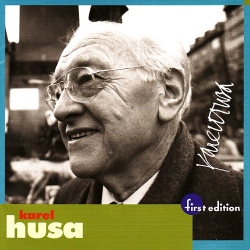
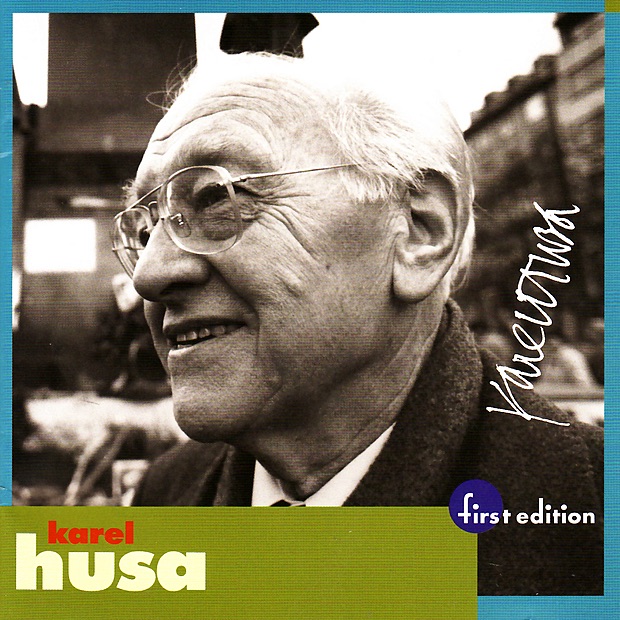
Karel Husa
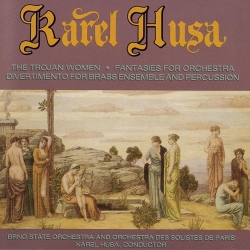
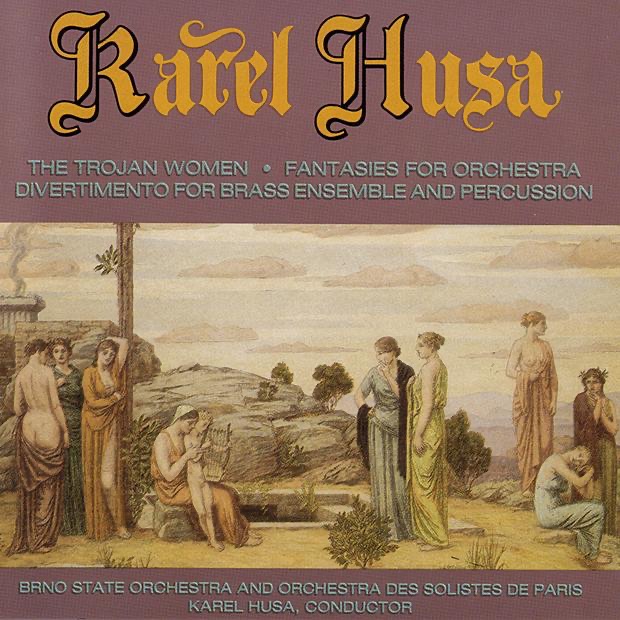
Trojan Women
Released Album
Recent Album
Works Info
Composer:Karel HusaGenre:BalletStyle:BalletCompose Date:1981Average_duration:36:33Movement_count:7Movement ....Trojan Women is a ballet composed by Karel Husa in 1974. The plot of the ballet is based on the ancient Greek tragedy by Euripides, which tells the story of the aftermath of the Trojan War. The ballet portrays the suffering of the women of Troy, who have lost their husbands, sons, and homes to the Greeks. The ballet is divided into three movements. The first movement, titled "The Fall of Troy," depicts the destruction of the city and the capture of the Trojan women by the Greeks. The music is intense and dramatic, with pounding rhythms and dissonant harmonies that convey the chaos and violence of the war. The second movement, titled "The Captives," focuses on the women of Troy as they are taken captive by the Greeks. The music is more lyrical and mournful, with haunting melodies and gentle harmonies that reflect the women's grief and despair. The final movement, titled "The Exile," portrays the women's journey to their new homes in Greece. The music is more hopeful and uplifting, with soaring melodies and triumphant harmonies that suggest the women's resilience and determination to survive. One of the characteristics of Husa's music in Trojan Women is his use of unconventional orchestration. He employs a wide range of percussion instruments, including timpani, snare drum, bass drum, cymbals, and gongs, to create a variety of textures and colors. He also uses extended techniques, such as glissandi and flutter-tonguing, to create unusual sounds from the wind instruments. Trojan Women premiered on April 25, 1974, at the University of Illinois at Urbana-Champaign, where Husa was a professor of music. The ballet was choreographed by Ruth Page, a renowned American choreographer, and featured a cast of professional dancers and students from the university. Overall, Trojan Women is a powerful and emotionally charged ballet that explores themes of war, loss, and resilience. Husa's music is a vital component of the ballet, conveying the complex emotions of the characters and capturing the drama and intensity of the story.More....