


Karel Husa
Released Album
Chamber
-
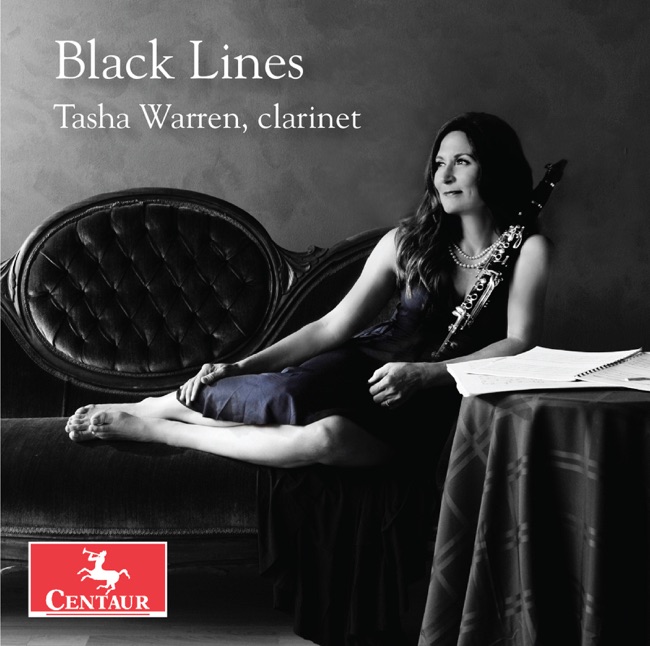 February 16, 2018
 -
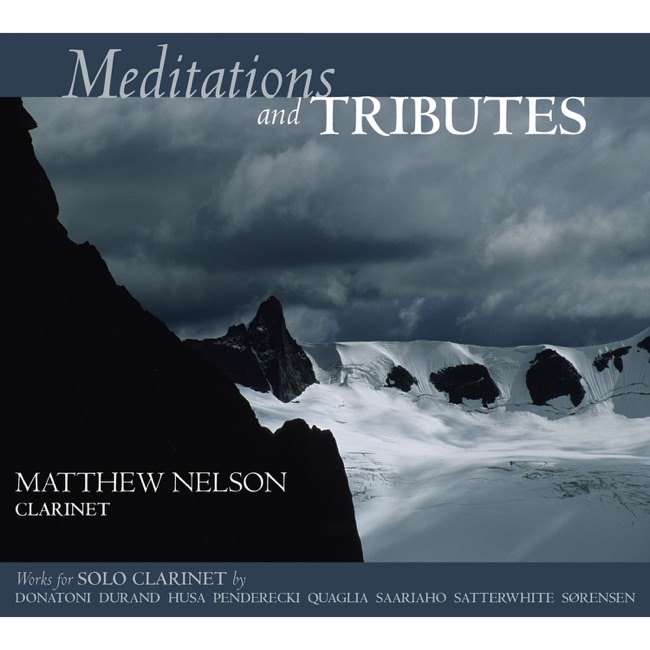 September 12, 2017
 -
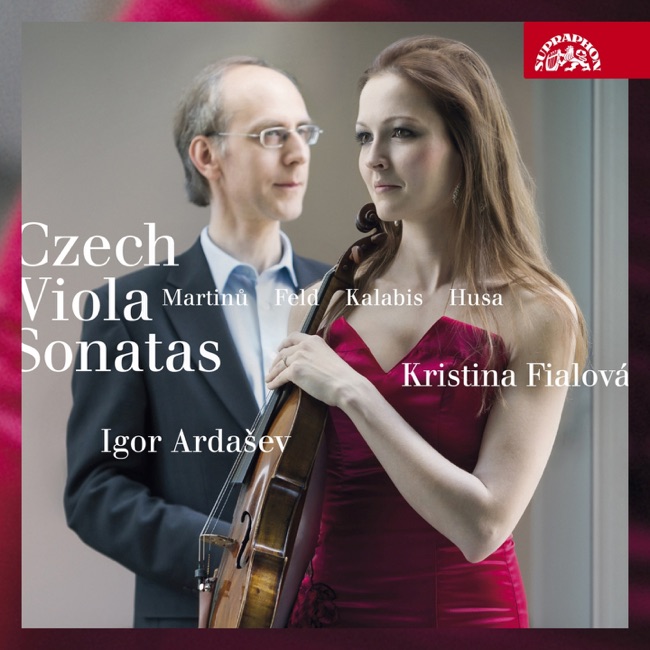 January 20, 2017
 -
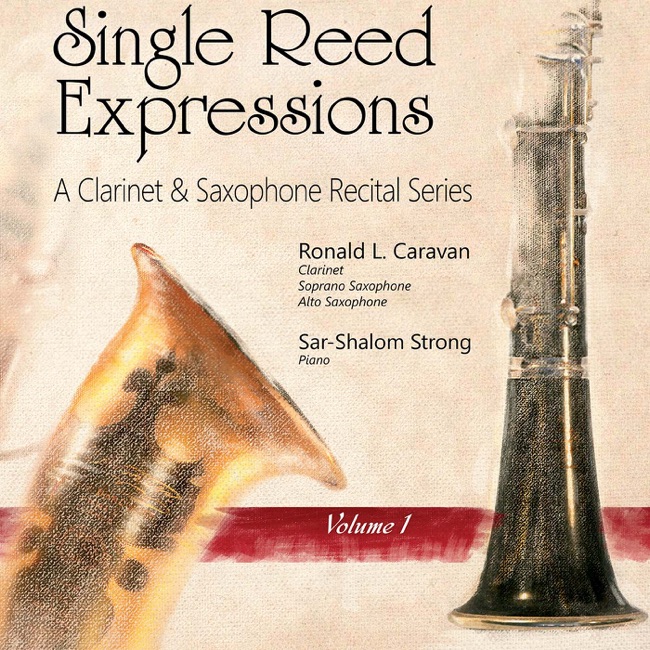
-
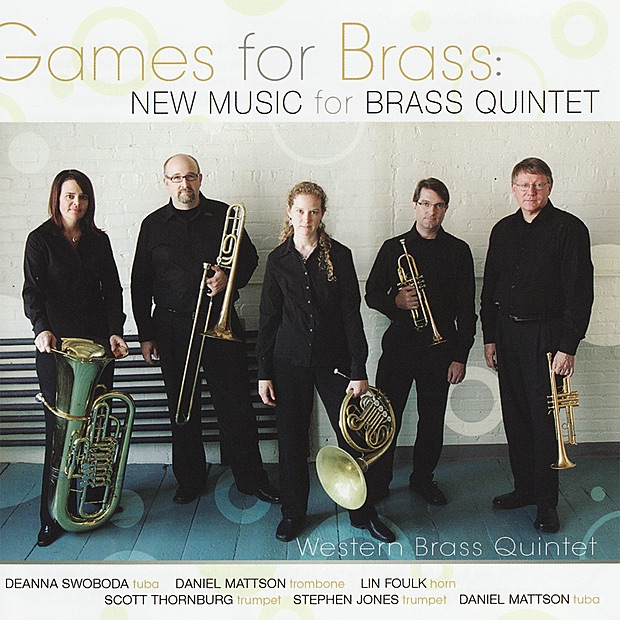 February 9, 2010
 -
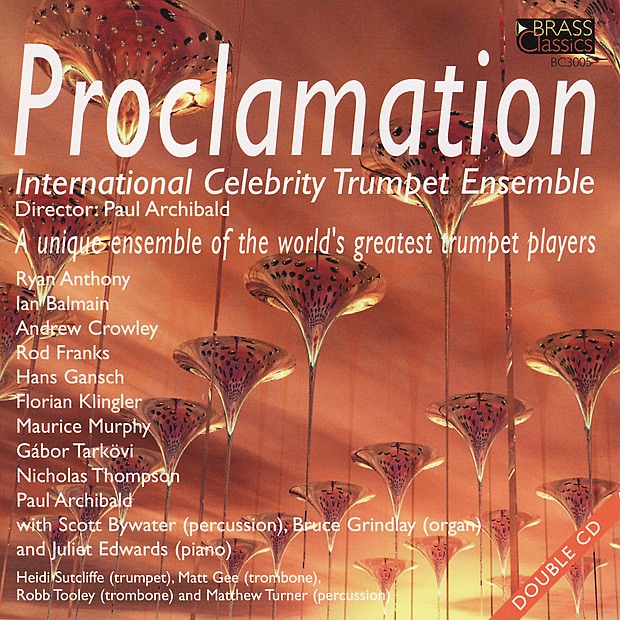 September 4, 2006
Orchestral
-
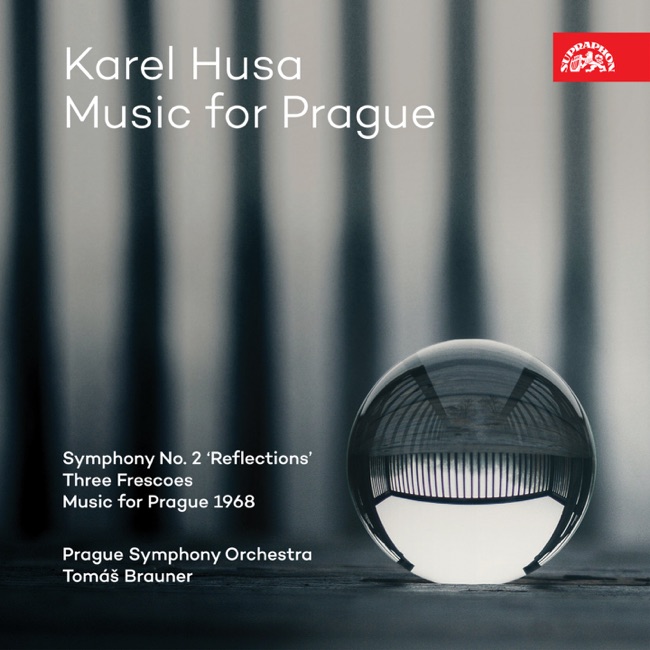 June 25, 2021
 -
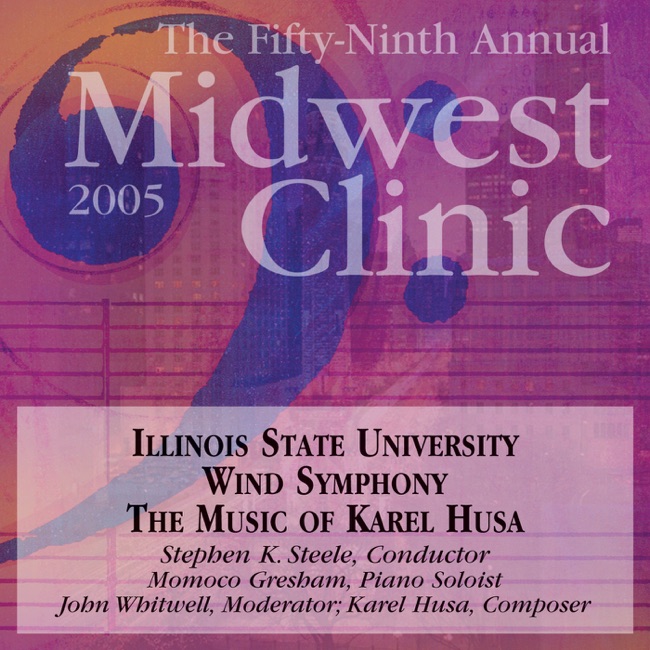 August 1, 2012
 -
-

-
 August 21, 2007
 -
Band
-
 June 12, 2012
 -
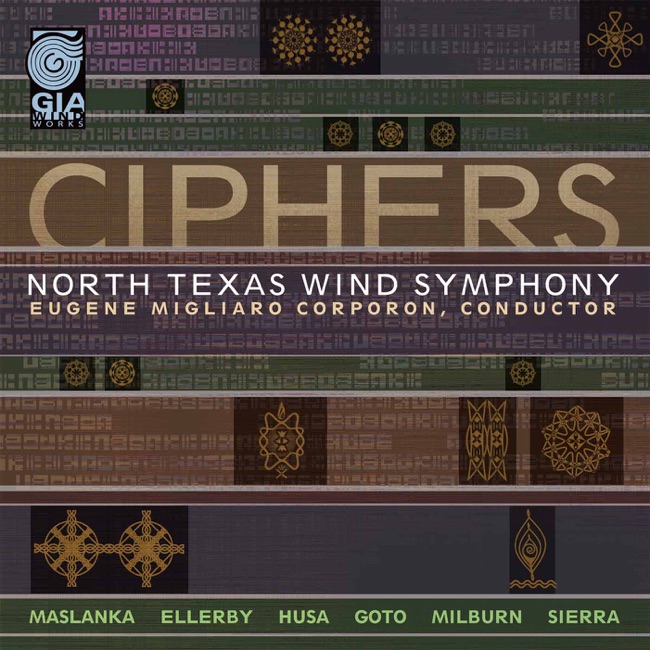 May 8, 2012
 -
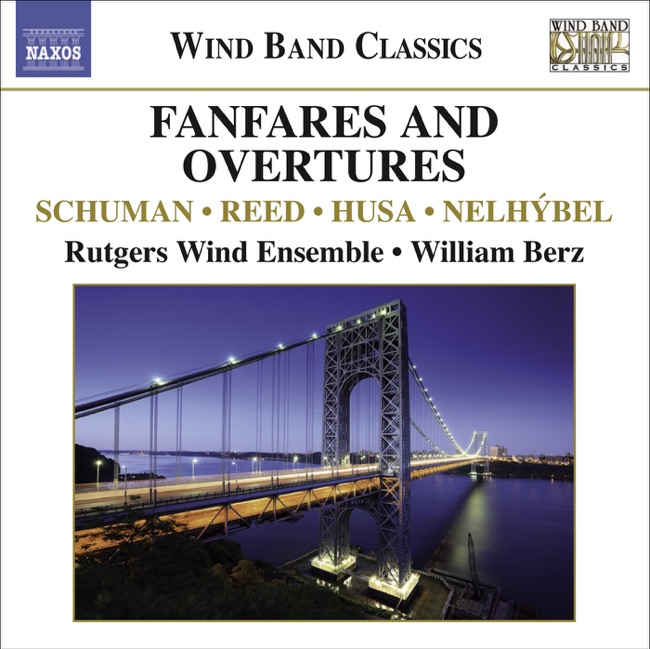 August 25, 2009
 -
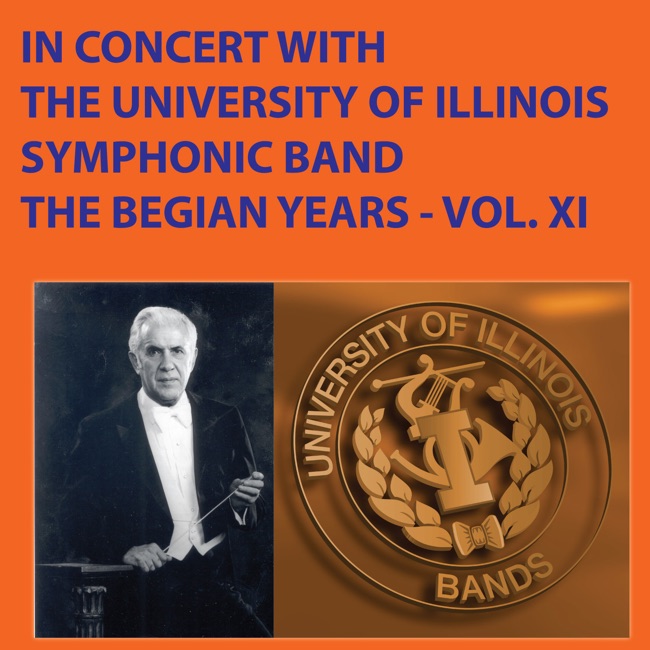
-
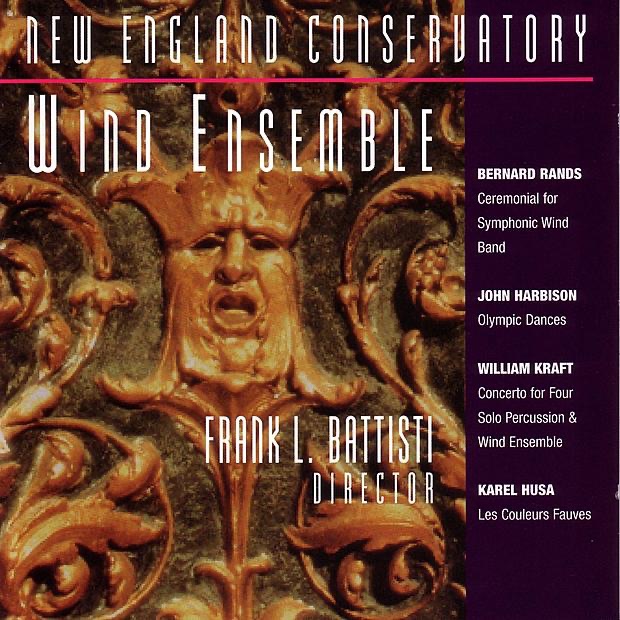 August 24, 1999
Concerto
-
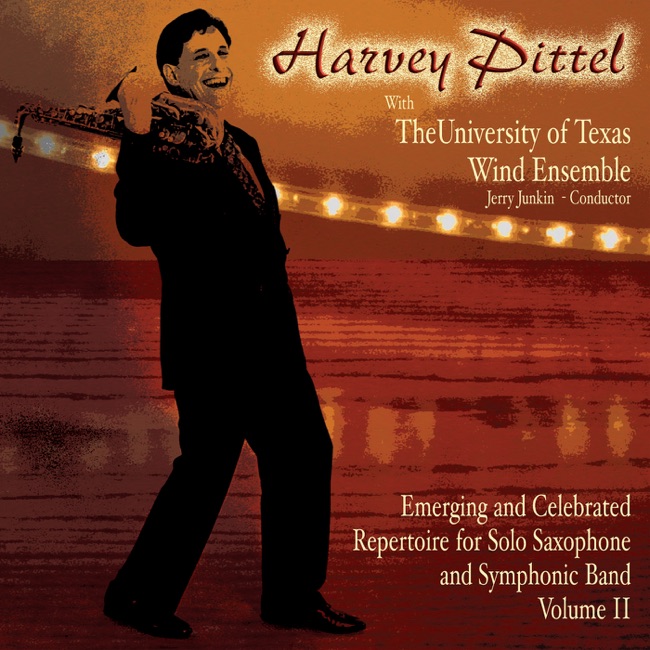 November 1, 2011
 -
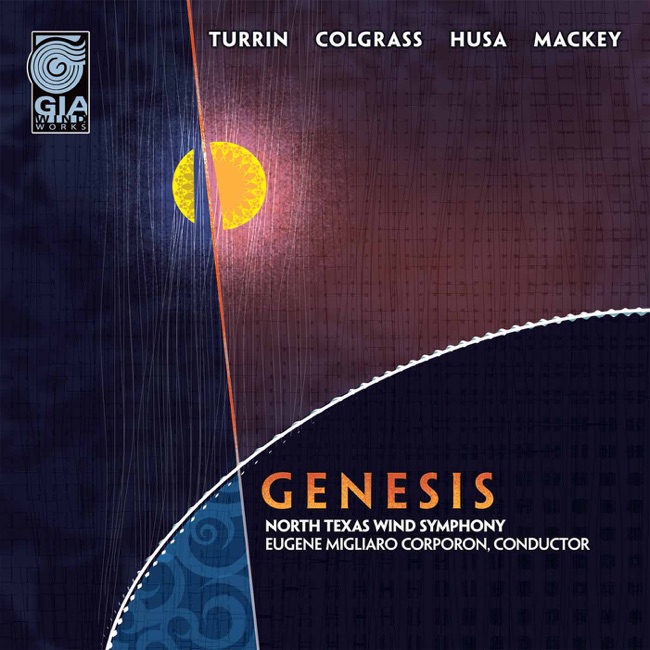 April 12, 2011
 -
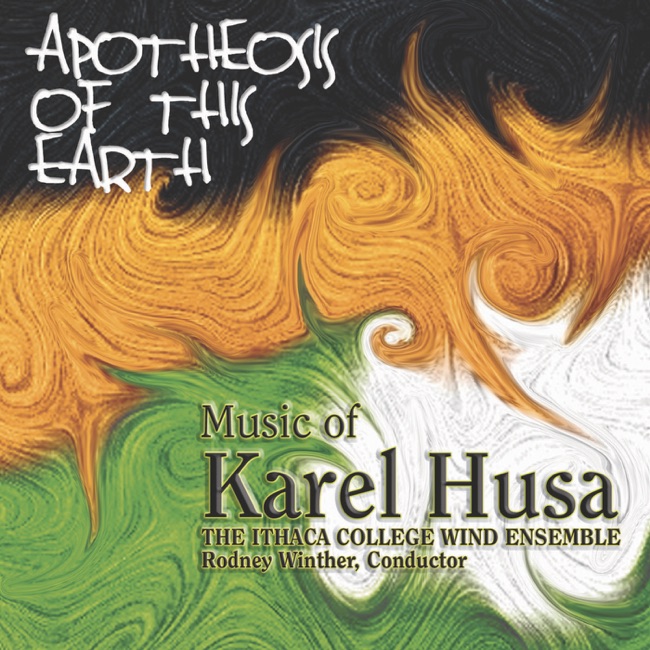 May 15, 2002
 -
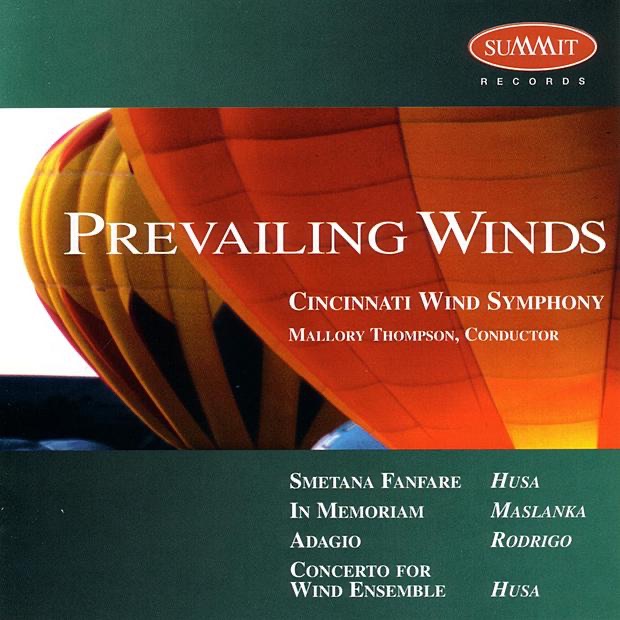 March 11, 1997
 -
 January 1, 1976
Artist Info
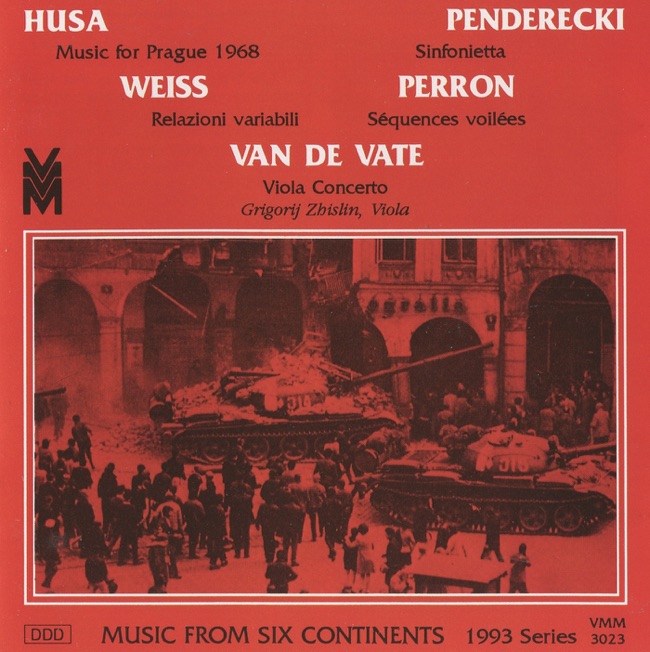
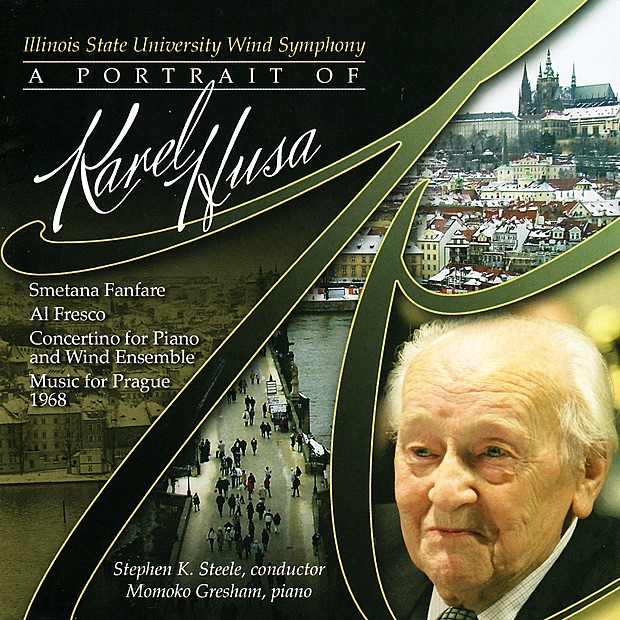
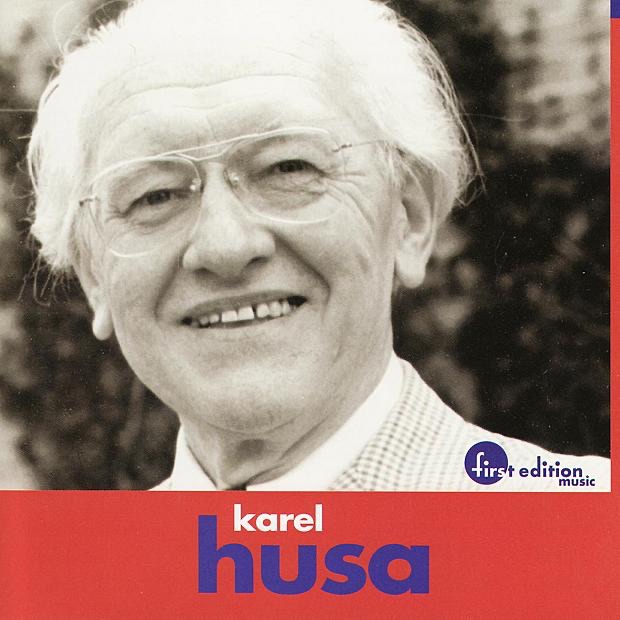
Role:Composer ConductorBirth:August 7, 1921 in Prague, Czech RepublicDeath:December 14, 2016 in Apex, NCPeriod:ContemporaryGenre:BandChamberChoralConcertoOrchestralKarel Husa was a Czech-born American composer and conductor who made significant contributions to the world of classical music. He was born on August 7, 1921, in Prague, Czechoslovakia, to a family of musicians. His father was a composer and conductor, and his mother was a pianist. Husa grew up in a musical environment and started playing the piano at a young age. Husa attended the Prague Conservatory, where he studied composition with Jaroslav Ridky and conducting with Metod Dolezil. He graduated in 1941 and continued his studies at the Academy of Music in Prague, where he studied with Vaclav Talich and Pavel Dedecek. However, his studies were interrupted by World War II, and he was forced to flee Czechoslovakia in 1940. Husa moved to Paris, where he studied composition with Arthur Honegger and Nadia Boulanger. He also attended the Ecole Normale de Musique de Paris, where he studied conducting with Charles Munch. In 1949, he moved to the United States and became a citizen in 1959. Husa's early compositions were influenced by the neoclassical style of Stravinsky and Hindemith. However, he later developed his own style, which was characterized by the use of folk melodies and rhythms. His music was also known for its emotional intensity and dramatic power. One of Husa's most famous works is his Symphony No. 3, which he composed in 1968. The symphony is based on a Czech folk song called "Ach synku, synku," which means "Oh, my son, my son." The symphony is divided into four movements, each of which is based on a different variation of the folk song. The symphony is known for its powerful emotional impact and has been performed by orchestras around the world. Another notable work by Husa is his Music for Prague 1968, which he composed in response to the Soviet invasion of Czechoslovakia in 1968. The work is a tribute to the people of Prague and their struggle for freedom. The piece is divided into five movements, each of which represents a different aspect of the invasion. The work is known for its powerful emotional impact and has become a symbol of resistance against oppression. Husa's other notable works include his Concerto for Orchestra, which he composed in 1963, and his String Quartet No. 3, which he composed in 1974. He also composed numerous works for wind ensemble, including his Apotheosis of This Earth, which he composed in 1970. In addition to his work as a composer, Husa was also a respected conductor. He conducted orchestras around the world, including the New York Philharmonic, the Boston Symphony Orchestra, and the Czech Philharmonic. He was also a professor of music at Cornell University, where he taught from 1954 to 1992. Husa received numerous awards and honors throughout his career, including the Pulitzer Prize for Music in 1969 for his Symphony No. 3. He was also awarded the Grawemeyer Award for Music Composition in 1993 for his String Quartet No. 3. In 1994, he was awarded the Czech Republic's highest honor, the Order of the White Lion. Husa died on December 14, 2016, at the age of 95. He left behind a legacy of powerful and emotional music that continues to inspire and move audiences around the world.More....
Recent Artist Music
Copyright Ⓒ 2013 Davinci Finger. All rights reseved
Service Terms & Policy