Franz Liszt
Regina coeli laetare (after Lassus), S. 663
Released Album
Recent Album

Works Info
Composer:Franz LisztGenre:KeyboardStyle:KeyboardCompose Date:1865Publication Date:1865Average_duration:3:10Franz Liszt's 'Regina coeli laetare (after Lassus), S. 663' is a sacred choral work composed in 1865. It is based on a motet by the Renaissance composer Orlando di Lasso, and is one of Liszt's many transcriptions and arrangements of earlier works. The piece is divided into four movements, each of which is based on a different section of Lasso's original motet. The first movement is a setting of the opening section of the motet, which is a joyful invocation of the Virgin Mary. Liszt's arrangement is marked by its use of rich harmonies and dramatic contrasts between the choir and the organ accompaniment. The second movement is a setting of the second section of the motet, which is a prayer for mercy and forgiveness. Liszt's arrangement is more subdued than the first movement, with a more contemplative mood and a focus on the text's themes of repentance and redemption. The third movement is a setting of the third section of the motet, which is a hymn of praise to the Holy Trinity. Liszt's arrangement is marked by its use of complex counterpoint and intricate harmonies, which create a sense of awe and wonder. The final movement is a setting of the fourth section of the motet, which is a joyful celebration of the resurrection of Christ. Liszt's arrangement is marked by its use of lively rhythms and exuberant harmonies, which capture the joy and excitement of the text. Overall, 'Regina coeli laetare (after Lassus), S. 663' is a powerful and expressive work that showcases Liszt's skill as a composer and arranger. Its use of rich harmonies, complex counterpoint, and dramatic contrasts make it a compelling piece of sacred music that continues to be performed and admired today.More....
Works Music
Released Music

2
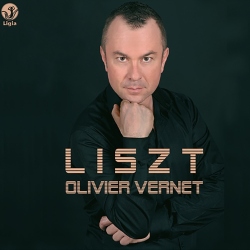
Regina coeli laetare (after Lassus), p. 663
Orlando di Lasso: Regina coeli lætare - Allegro moderato
2:27