Asprilio Pacelli
Dum esset rex
Released Album
Recent Album
Featured Album
Works Info
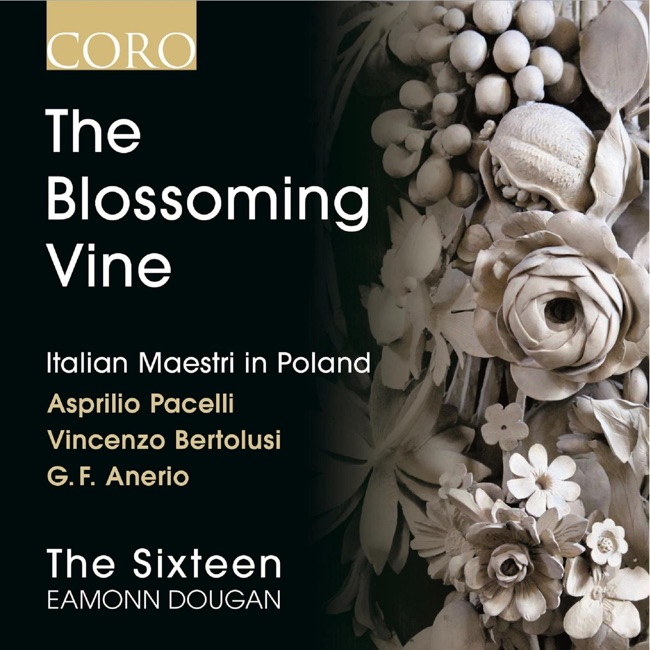
Composer:Asprilio PacelliGenre:ChoralAverage_duration:8:40"Dum esset rex" is a sacred motet composed by Asprilio Pacelli, an Italian composer of the late Renaissance period. The piece was composed in the early 17th century, and it premiered in Rome, Italy. The motet is written for four voices, and it is divided into three movements. The first movement is in a slow tempo and is characterized by a homophonic texture, with all four voices singing together in harmony. The second movement is faster and more lively, with a polyphonic texture that features imitative counterpoint between the voices. The final movement returns to a slower tempo and a homophonic texture, with the voices singing together in harmony once again. The text of "Dum esset rex" is taken from the Book of Esther in the Old Testament, and it tells the story of how Queen Esther saved the Jewish people from destruction. The text is in Latin, and it is sung in a highly expressive and emotive manner, with the voices conveying the drama and tension of the story. One of the key characteristics of Pacelli's style in "Dum esset rex" is his use of chromaticism. The piece features many chromatic passages, where the voices move in half-steps or quarter-steps, creating a sense of tension and dissonance. This use of chromaticism was a hallmark of the late Renaissance period, and it was a way for composers to explore new harmonic possibilities and push the boundaries of traditional tonality. Overall, "Dum esset rex" is a beautiful and expressive piece of sacred music that showcases Pacelli's skill as a composer. Its use of chromaticism and expressive text setting make it a standout work of the late Renaissance period.More....
Works Music
Released Music

Featured Music