


Asprilio Pacelli
Released Album
Choral
-
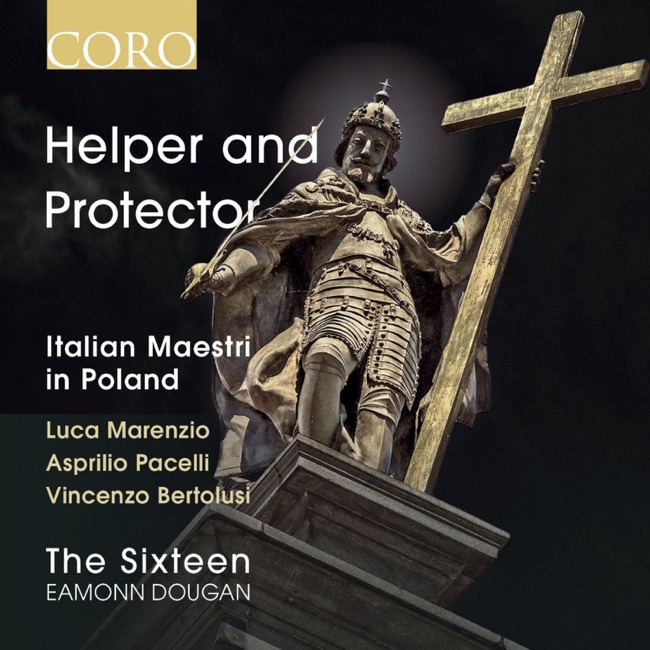 June 24, 2016
 -
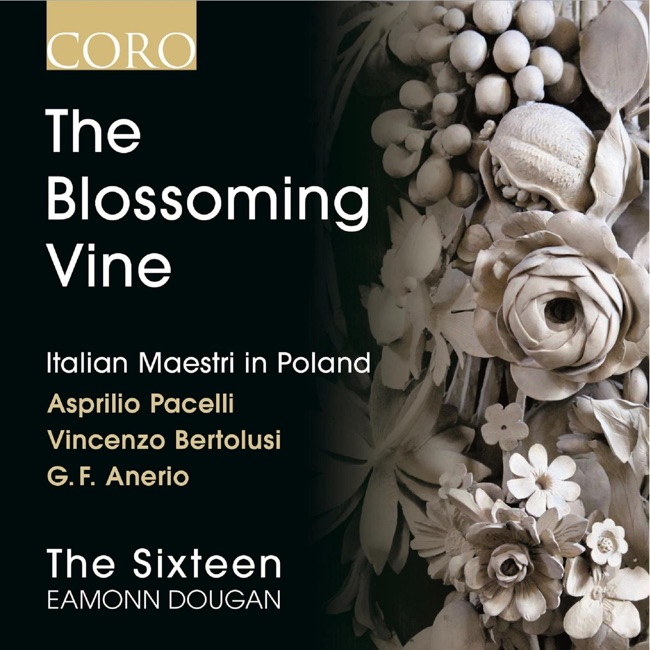 April 28, 2014
 -
Artist Info
Role:ComposerBirth:1570Death:May 4, 1623Period:RenaissanceBaroqueAsprilio Pacelli was a prominent Italian composer of the Baroque era, known for his contributions to the development of sacred music. Born in Naples in 1570, Pacelli was the son of a musician and grew up in a musical household. He received his early musical education from his father, who was a singer and instrumentalist, and later studied with the renowned composer Giovanni de Macque. Pacelli's talent as a composer was evident from a young age, and he quickly gained recognition for his work. In 1593, he was appointed as the maestro di cappella at the Basilica of San Lorenzo Maggiore in Naples, a position he held for over 30 years. During this time, he composed a large number of sacred works, including masses, motets, and hymns, which were performed regularly at the basilica. One of Pacelli's most significant contributions to sacred music was his development of the polychoral style, which involved dividing the choir into two or more groups and having them sing in alternation. This technique was particularly effective in large churches with multiple choirs, as it created a sense of spatial depth and allowed for a more complex and dynamic sound. Pacelli's polychoral works were highly regarded by his contemporaries, and he was often called upon to compose music for special occasions and events. In 1608, he was commissioned to write a mass for the Feast of the Assumption, which was celebrated with great pomp and ceremony in Naples. The mass, which featured elaborate choral and instrumental parts, was a resounding success and cemented Pacelli's reputation as one of the leading composers of his time. In addition to his sacred music, Pacelli also composed a number of secular works, including madrigals and instrumental pieces. His madrigals, which were written in the style of the late Renaissance, were notable for their expressive harmonies and intricate counterpoint. His instrumental music, which included pieces for keyboard and lute, was similarly virtuosic and showcased his skill as a performer. Despite his success as a composer, Pacelli's personal life was marked by tragedy. In 1601, his wife and two children died in a plague epidemic, leaving him devastated. He later remarried and had several more children, but his second wife also died young, leaving him to raise their children alone. Despite these hardships, Pacelli continued to compose and perform throughout his life. He remained at the Basilica of San Lorenzo Maggiore until his death in 1623, and his music continued to be performed and admired long after his passing. Today, he is remembered as one of the most important composers of the Baroque era, and his contributions to sacred music continue to inspire and influence musicians around the world.More....
Recent Artist Music

Copyright Ⓒ 2013 Davinci Finger. All rights reseved
Service Terms & Policy