Michael Praetorius
Conditor alme siderum
Released Album
Recent Album
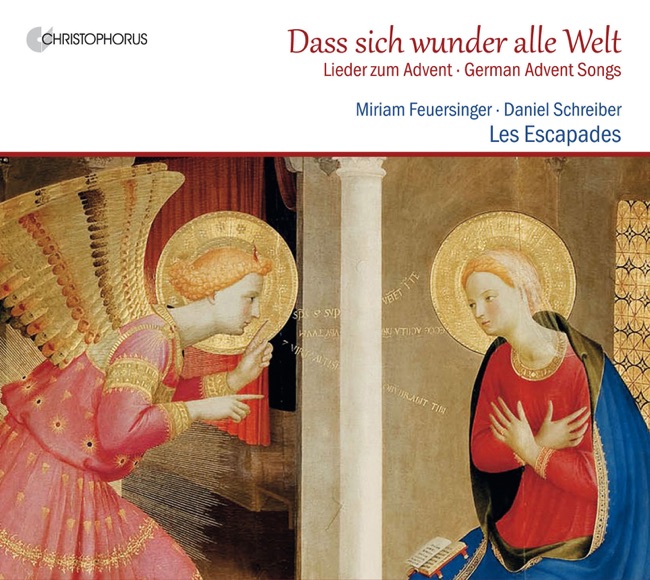
Featured Album
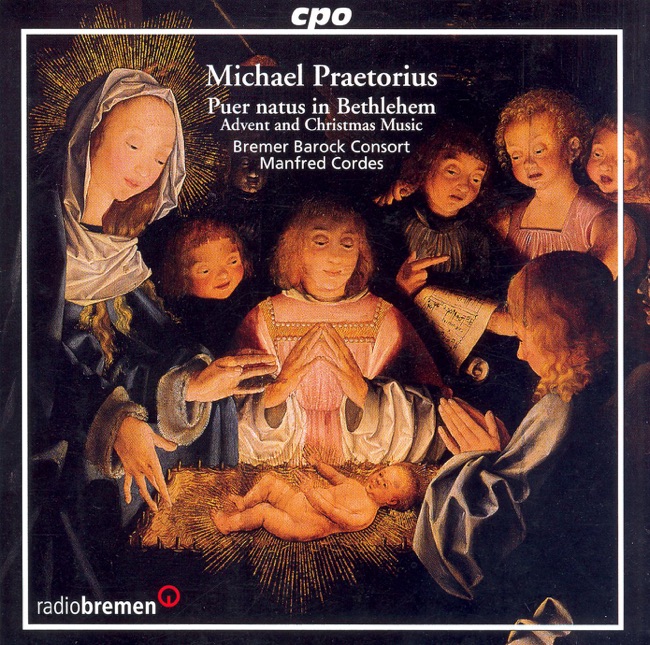
Works Info
Composer:Michael PraetoriusGenre:ChoralStyle:ChoralAverage_duration:7:25Michael Praetorius was a German composer, organist, and music theorist of the late Renaissance era. He was born in Creuzburg, Thuringia, in 1571 and died in Wolfenbüttel, Lower Saxony, in 1621. Praetorius was one of the most prolific composers of his time, and his works include sacred and secular music, as well as music for the theater. One of Praetorius's most famous works is "Conditor alme siderum," a hymn for Advent. The hymn is also known as "Creator of the Stars of Night" in English. It is a chant hymn that dates back to the 7th century and is traditionally sung during Advent, the period leading up to Christmas. Praetorius composed a setting of "Conditor alme siderum" for four voices, which was published in his collection "Musae Sioniae" in 1607. The collection contains 9 volumes of sacred music, including hymns, motets, and psalms. Praetorius's setting of "Conditor alme siderum" is a polyphonic work that features imitative counterpoint and rich harmonies. The hymn is divided into seven verses, each of which is set to the same melody. Praetorius's setting features four movements, each of which sets two verses of the hymn. The first movement is a lively setting of the first two verses, featuring imitative counterpoint and a joyful mood. The second movement is a more contemplative setting of verses 3 and 4, featuring rich harmonies and a slower tempo. The third movement is a lively setting of verses 5 and 6, featuring a dance-like rhythm and a joyful mood. The final movement is a majestic setting of the final verse, featuring a grandiose melody and rich harmonies. Overall, Praetorius's setting of "Conditor alme siderum" is a masterful work that showcases his skill as a composer. The work is characterized by its rich harmonies, imitative counterpoint, and joyful mood, making it a perfect addition to any Advent or Christmas service.More....
Works Music