


Charles Avison
Concerto grosso No. 4 in A minor (after Scarlatti)
Released Album
Recent Album
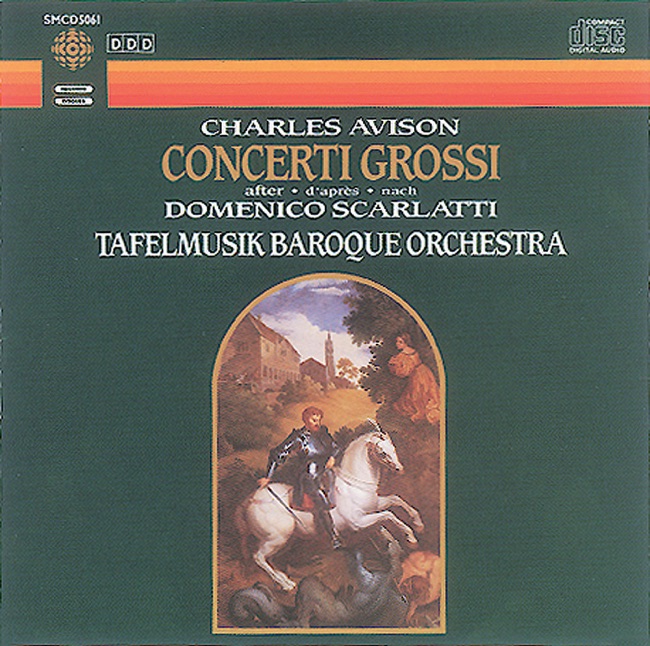
Featured Album
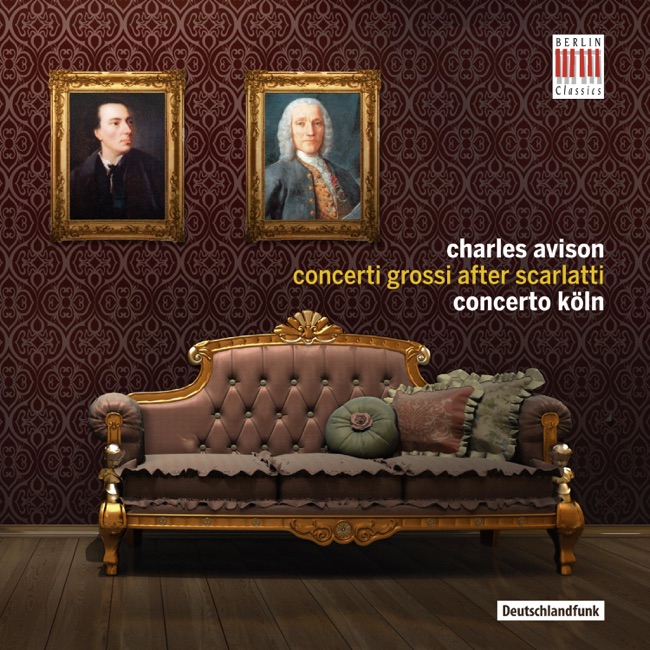
Works Info
Composer:Charles AvisonGenre:ConcertoStyle:ConcertoAverage_duration:11:58Movement_count:4Movement ....Charles Avison was an English composer who lived from 1709 to 1770. He was known for his contributions to the concerto grosso form, which was a popular style of music during the Baroque period. One of his most famous works is the Concerto grosso No. 4 in A minor (after Scarlatti), which was composed in the mid-18th century. The Concerto grosso No. 4 in A minor (after Scarlatti) is a tribute to the Italian composer Domenico Scarlatti, who was known for his keyboard sonatas. Avison took some of Scarlatti's sonatas and arranged them for a concerto grosso, which is a type of composition that features a small group of soloists (the concertino) and a larger ensemble (the ripieno). The Concerto grosso No. 4 in A minor (after Scarlatti) is divided into four movements. The first movement is marked Allegro and features a lively, energetic theme that is passed between the concertino and ripieno. The second movement is marked Andante and is more lyrical and expressive. The third movement is marked Allegro and is a fast, dance-like movement that features a virtuosic solo for the violin. The final movement is marked Allegro and is a lively, joyful conclusion to the concerto. One of the characteristics of Avison's Concerto grosso No. 4 in A minor (after Scarlatti) is its use of counterpoint. Counterpoint is a technique in which two or more melodies are played simultaneously, creating a complex and intricate texture. Avison was known for his skill in counterpoint, and this concerto grosso is a prime example of his mastery of the technique. Another characteristic of the concerto grosso is its use of the ritornello form. The ritornello is a recurring theme that is played by the ripieno throughout the concerto. The concertino then plays variations on the theme, creating a dialogue between the two groups of musicians. The Concerto grosso No. 4 in A minor (after Scarlatti) premiered in the mid-18th century, although the exact date is unknown. It was likely performed in England, where Avison spent most of his career. The concerto grosso was well-received by audiences and critics alike, and it remains a popular piece of music to this day. In conclusion, the Concerto grosso No. 4 in A minor (after Scarlatti) is a tribute to the Italian composer Domenico Scarlatti and features intricate counterpoint and the use of the ritornello form. It is divided into four movements and was likely composed in the mid-18th century. The concerto grosso remains a popular piece of music and is a testament to Avison's skill as a composer.More....
Works Music
Released Music
Featured Music
3
4:28