Georg Philipp Telemann
Sonata for oboe, flute & continuo in C minor, TWV 42:c7
Released Album
Recent Album
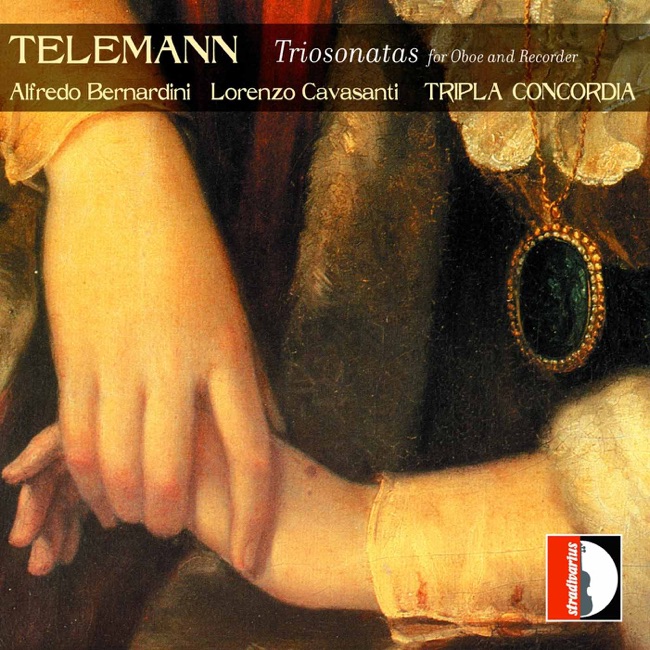
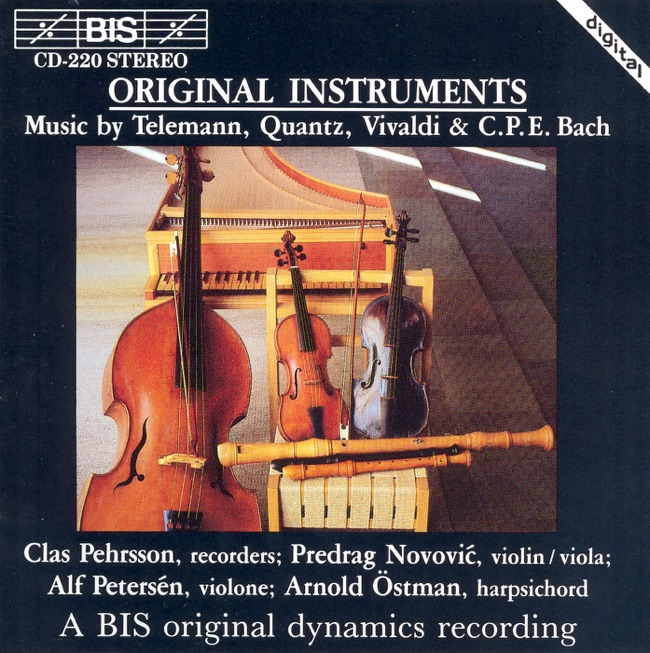
Works Info
Composer:Georg Philipp TelemannGenre:ChamberStyle:Chamber MusicCompose Date:1713 - 1714Publication Date:1968Average_duration:6:46Movement_count:4Movement ....Georg Philipp Telemann's Sonata for oboe, flute & continuo in C minor, TWV 42:c7, is a Baroque chamber music piece composed in the early 18th century. The exact date of composition is unknown, but it is believed to have been written between 1712 and 1728. The sonata is one of Telemann's most popular works and is frequently performed by chamber music ensembles. The sonata consists of four movements: Largo, Allegro, Adagio, and Vivace. The first movement, Largo, is a slow and mournful introduction that sets the tone for the rest of the piece. The second movement, Allegro, is a lively and energetic dance that features intricate interplay between the oboe and flute. The third movement, Adagio, is a slow and expressive aria that showcases the lyrical qualities of both instruments. The final movement, Vivace, is a fast and lively dance that brings the sonata to a thrilling conclusion. The sonata is characterized by its use of counterpoint, a technique in which two or more melodic lines are played simultaneously. Telemann's skillful use of counterpoint creates a rich and complex texture that is both engaging and satisfying to listen to. The sonata also features a wide range of dynamic contrasts, from the soft and delicate to the loud and powerful. Overall, Telemann's Sonata for oboe, flute & continuo in C minor, TWV 42:c7, is a masterful example of Baroque chamber music. Its intricate interplay between the oboe and flute, its use of counterpoint, and its dynamic contrasts make it a thrilling and engaging piece that continues to captivate audiences today.More....
Works Music
Released Music