Peter Philips
Tirsi morir volea, diminutions for harpischord (after Marenzio)
Released Album
Recent Album


Featured Album
Works Info
Composer:Peter PhilipsGenre:KeyboardStyle:KeyboardAverage_duration:5:41"Tirsi morir volea, diminutions for harpsichord (after Marenzio)" is a composition by Peter Philips, a renowned English composer of the Renaissance era. The piece was composed in the early 17th century, and its premiere date is unknown. The composition is a set of diminutions, which are ornamental variations on a pre-existing melody. In this case, the melody is taken from a madrigal by Luca Marenzio, an Italian composer of the late Renaissance. The madrigal, "Tirsi morir volea," tells the story of a shepherd named Tirsi who wishes to die because his love is unrequited. Philips' diminutions for harpsichord take this melancholy melody and transform it into a virtuosic showcase for the instrument. The piece is divided into several movements, each of which features a different set of variations on the original melody. The first movement begins with a simple statement of the melody, which is then embellished with trills, runs, and other ornaments. The second movement is more lively, with fast, intricate passages that showcase the harpsichord's ability to play rapid, complex music. The third movement is slower and more contemplative, with long, flowing lines that evoke the sadness of Tirsi's story. Throughout the piece, Philips demonstrates his mastery of the harpsichord and his ability to create intricate, beautiful music from a simple melody. His use of diminutions adds depth and complexity to the original melody, while also showcasing the harpsichord's unique capabilities. Overall, "Tirsi morir volea, diminutions for harpsichord (after Marenzio)" is a beautiful and virtuosic composition that demonstrates Peter Philips' skill as a composer and his love for the harpsichord.More....
Works Music
Released Music
1
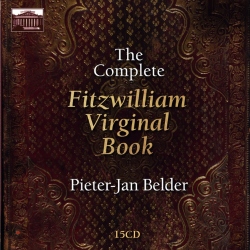
2:51
2
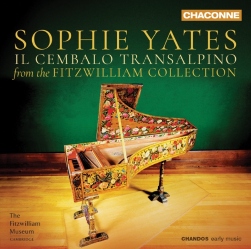
Tirsi die volley, reductions for harpischord (after Marenzio)
Tirsi morir volea (from The Fitzwilliam Virginal Book)
2:50
3
7:13
4

7:2
Featured Music