


Franz Joseph Haydn
Divertimento for 2 oboes, 2 horns & 2 bassoons in C major, H. 2/7
Released Album
Recent Album
Works Info
Composer:Franz Joseph HaydnGenre:OrchestralStyle:DivertimentoCompose Date:before 1765Average_duration:10:13Movement_count:5Movement ....Franz Joseph Haydn's 'Divertimento for 2 oboes, 2 horns & 2 bassoons in C major, H. 2/7' was composed in 1765. It was premiered in the same year at the Esterházy court in Eisenstadt, Austria. The piece consists of three movements: Allegro, Menuetto, and Finale. The first movement, Allegro, is in sonata form and begins with a lively and cheerful theme played by the oboes and bassoons. The horns then enter with a fanfare-like motif, adding to the festive atmosphere. The development section explores various themes and motifs from the exposition, showcasing Haydn's skill in manipulating musical material. The movement ends with a recapitulation of the main theme, followed by a coda that brings the piece to a joyful close. The second movement, Menuetto, is a dance in triple meter. It features a playful and light-hearted melody that is passed between the different instruments. The trio section provides a contrast with a more lyrical and expressive melody, before returning to the main theme. The final movement, Finale, is a fast and energetic rondo. It begins with a lively theme played by the oboes and bassoons, which is then repeated and developed by the horns. The rondo form allows for the return of the main theme throughout the movement, interspersed with contrasting sections. The piece ends with a lively coda that brings the work to a triumphant close. Overall, Haydn's 'Divertimento for 2 oboes, 2 horns & 2 bassoons in C major, H. 2/7' is a charming and delightful work that showcases the composer's skill in writing for wind instruments. The piece is characterized by its lively and joyful melodies, playful rhythms, and skillful use of musical form.More....
Works Music
Released Music
1
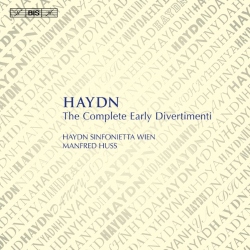
1:44
2
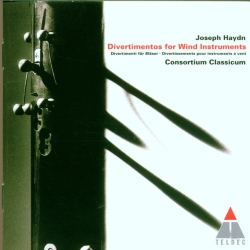
1:36
3
3:40
4
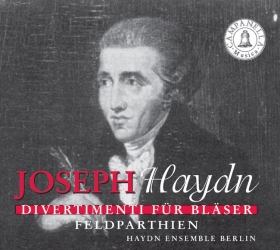
1:29