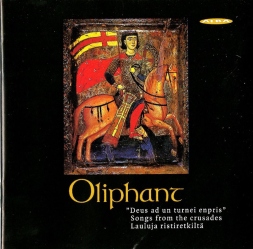
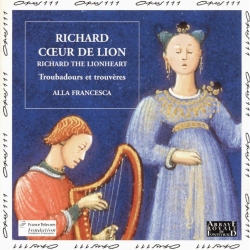
Conon de Béthune
Bien me deüsse targier
Released Album
Recent Album
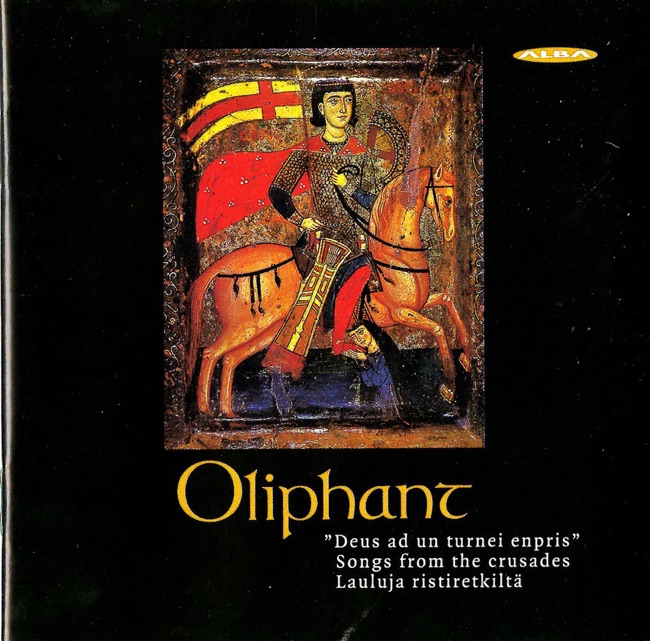
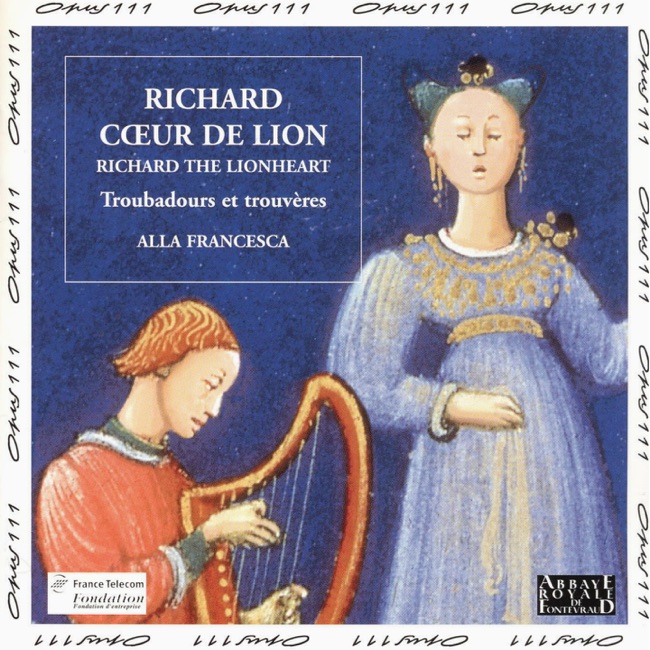
Works Info
Composer:Conon de BéthuneGenre:MiscellaneousStyle:MiscellaneousAverage_duration:5:35"Bien me deüsse targier" is a medieval French song composed by Conon de Béthune, a troubadour from the 12th century. The song is believed to have been composed in the late 12th century, during the reign of King Richard the Lionheart. It is a love song that expresses the troubadour's longing for his beloved. The song is in the form of a virelai, a popular form of medieval French poetry that consists of a refrain and several stanzas. The refrain of "Bien me deüsse targier" is "Bien me deüsse targier / De chanter joie et douçour / Quant ma dame vient au jour / Qui m'a tolu cuer entier" (I should be well rewarded for singing of joy and sweetness when my lady comes, who has taken my whole heart). The song has three stanzas, each of which expresses the troubadour's love for his lady. The first stanza describes the troubadour's longing for his lady's presence, and his desire to be with her. The second stanza describes the beauty of the troubadour's lady, and how she has captured his heart. The third stanza expresses the troubadour's hope that his lady will return his love, and his willingness to do anything to win her affection. The melody of "Bien me deüsse targier" is simple and repetitive, with a strong emphasis on the refrain. The song is performed with a lute or other stringed instrument, and is often accompanied by a dance. Overall, "Bien me deüsse targier" is a typical example of medieval French courtly love poetry. It expresses the troubadour's devotion to his lady, and his willingness to do anything to win her love. The song's simple melody and repetitive structure make it easy to remember and perform, and it remains a popular example of medieval French music to this day.More....
Works Music