


Etienne Solère
Concerto Espagnol for clarinet & orchestra in B flat major
Released Album
Recent Album
Works Info
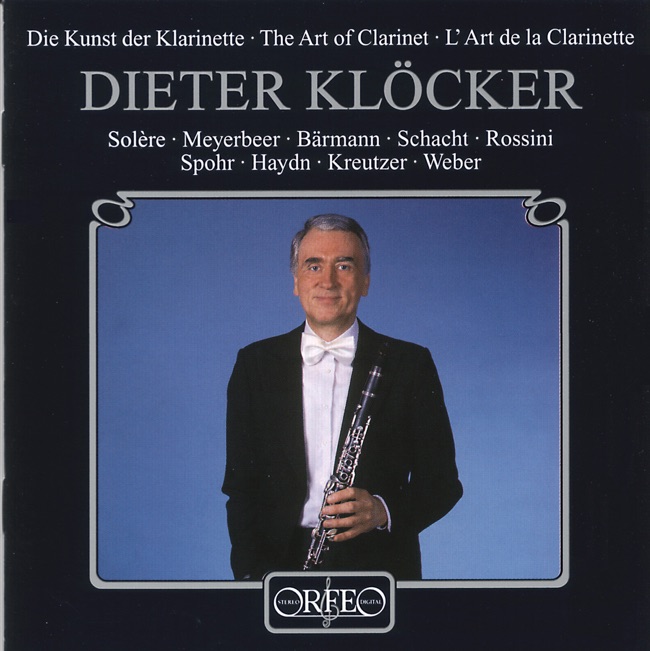
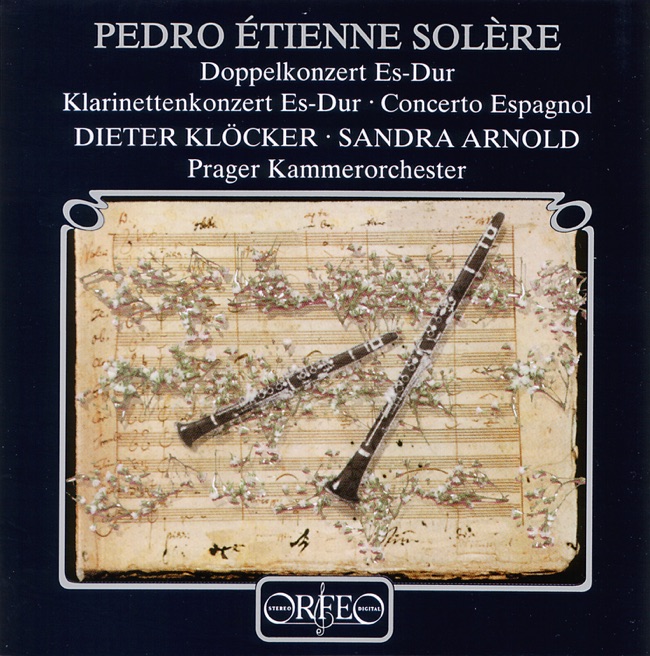
Composer:Etienne SolèreGenre:ConcertoStyle:ConcertoAverage_duration:18:50Movement_count:3Movement ....The Concerto Espagnol for clarinet and orchestra in B flat major was composed by Etienne Solère in the early 19th century. The exact date of composition is unknown, but it is believed to have been written around 1815. The concerto was premiered in Paris in 1816, with the composer himself playing the clarinet solo. The concerto consists of three movements: Allegro moderato, Adagio, and Rondo. The first movement is in sonata form and features a lively and energetic theme that is introduced by the orchestra and then taken up by the clarinet. The second movement is a slow and lyrical Adagio, which showcases the clarinet's ability to produce a rich and expressive tone. The final movement is a lively Rondo, which features a catchy and memorable theme that is passed back and forth between the clarinet and the orchestra. The Concerto Espagnol is characterized by its use of Spanish rhythms and melodies, which were popular in France at the time. The concerto also features virtuosic passages for the clarinet, which demonstrate the instrument's technical capabilities. The use of the clarinet as a solo instrument was relatively new at the time, and Solère's concerto helped to establish the clarinet as a prominent solo instrument in the classical repertoire. Overall, the Concerto Espagnol for clarinet and orchestra in B flat major is a lively and engaging work that showcases the clarinet's versatility and technical capabilities. Its use of Spanish rhythms and melodies adds a unique flavor to the classical repertoire, and it remains a popular work for clarinetists to this day.More....
Works Music
Released Music
1
Spanish Concerto for clarinet & orchestra in B flat major
Rondo: Moderato bien marqué (Fandango)
4:26
2
10:23