John Cage
Imaginary Landscape No. 3
Released Album
Recent Album
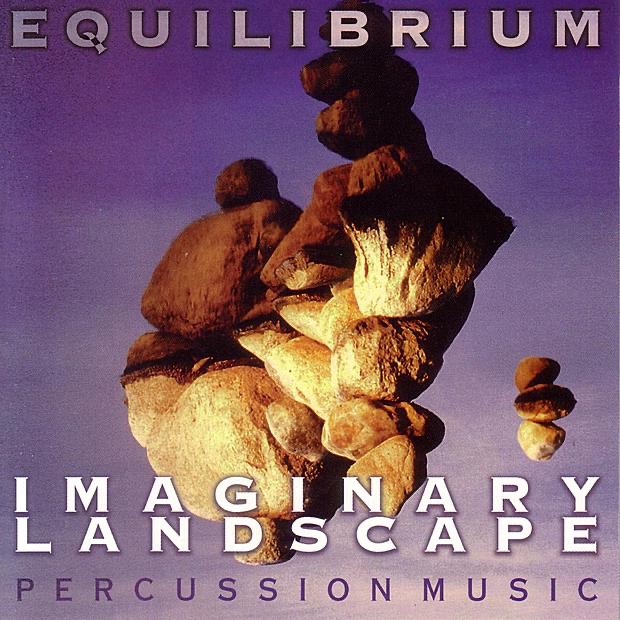
Featured Album
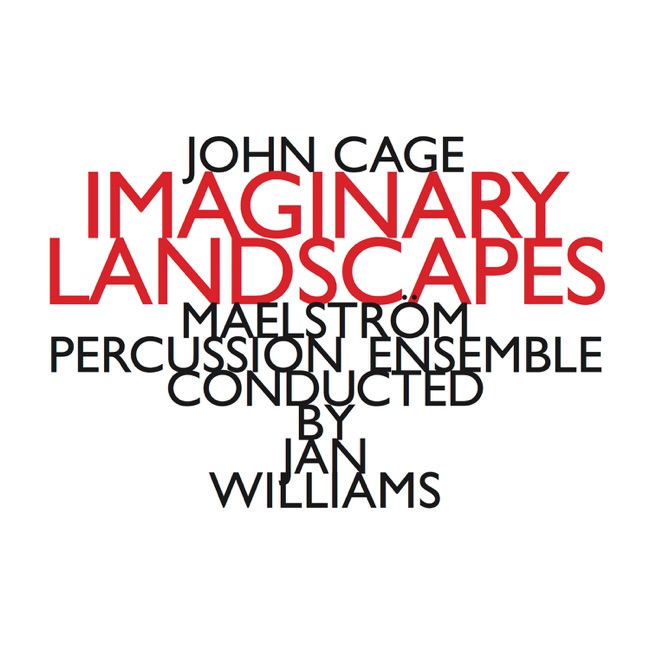
Works Info
Composer:John CageGenre:ChamberStyle:PieceCompose Date:1942Average_duration:3:15Imaginary Landscape No. 3 is a composition by John Cage, an American composer, philosopher, and music theorist. The piece was composed in 1942 and premiered on May 15, 1942, at the Museum of Modern Art in New York City. It is a part of Cage's Imaginary Landscape series, which consists of four compositions that use electronic instruments. Imaginary Landscape No. 3 is scored for four performers who play a variety of percussion instruments, including a Chinese cymbal, a gong, a lion's roar, a water gong, and a radio receiver. The performers also use a variety of other objects, such as a tin can, a whistle, and a rattle. The piece is divided into four movements, each of which is characterized by a different set of instruments and sounds. The first movement of Imaginary Landscape No. 3 is characterized by the use of a radio receiver. The performers tune the radio to different stations and manipulate the sound by turning the dial and adjusting the volume. The result is a collage of different radio broadcasts, including music, news, and advertisements. The second movement of the piece is characterized by the use of percussion instruments, including a Chinese cymbal, a gong, and a lion's roar. The performers create a rhythmic pattern by striking the instruments in a specific sequence. The third movement of the piece is characterized by the use of a water gong, which is a percussion instrument that produces a deep, resonant sound. The performers use the water gong to create a sustained drone, which is accompanied by the sound of a whistle and a rattle. The fourth and final movement of the piece is characterized by the use of a tin can, which the performers use to create a rhythmic pattern by tapping it with a stick. The movement also features the sound of a radio broadcast, which is manipulated by the performers in a similar way to the first movement. Overall, Imaginary Landscape No. 3 is a pioneering work in the field of electronic music. It demonstrates Cage's interest in exploring the possibilities of non-traditional instruments and sounds, as well as his fascination with chance and indeterminacy. The piece is also notable for its use of radio broadcasts, which foreshadows Cage's later work with tape recorders and other electronic devices.More....
Works Music
Released Music
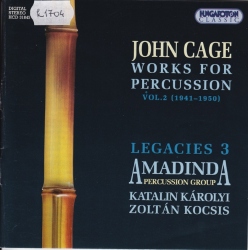
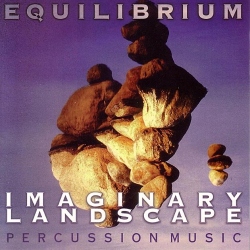
Featured Music