


Luigi Dallapiccola
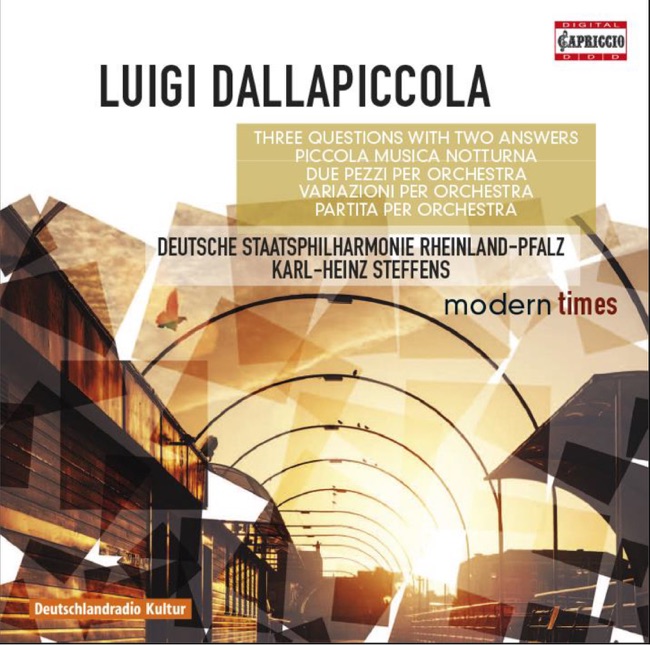
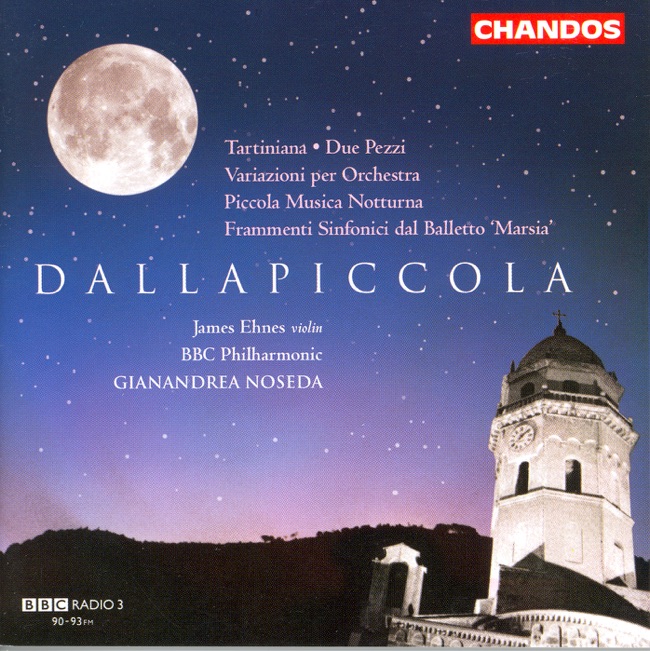
Piccola musica notturna for orchestra or chamber ensemble
Released Album
Recent Album
-
-
-
-
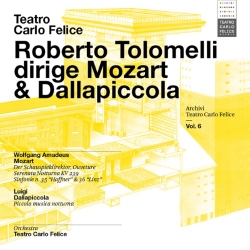
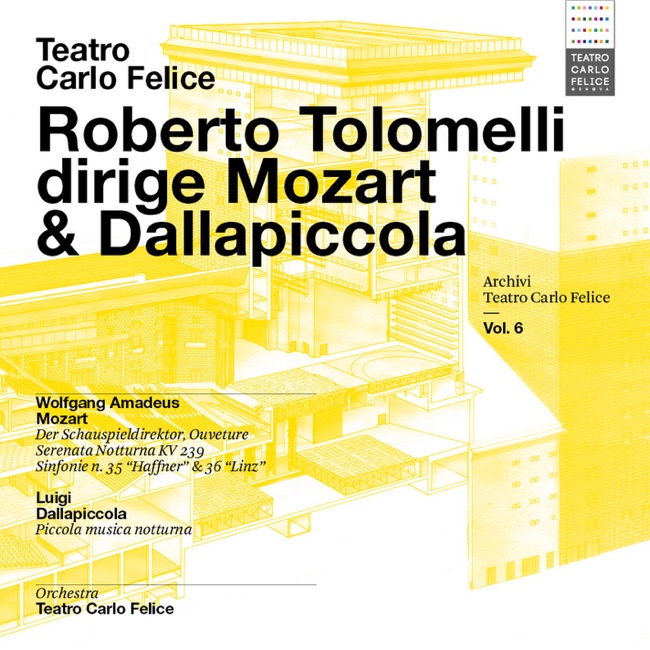 Teatro Carlo Felice & Roberto TolomelliNovember 22, 2016
 -
-
Works Info
Composer:Luigi DallapiccolaGenre:OrchestralStyle:DivertimentoCompose Date:1954Average_duration:9:00Piccola musica notturna (Little Night Music) is a composition for orchestra or chamber ensemble by Italian composer Luigi Dallapiccola. It was composed in 1954 and premiered on October 22, 1954, in Rome, Italy. The piece consists of four movements and has a duration of approximately 12 minutes. The first movement, titled "Serenata," is a lively and playful piece that features a solo violin and a pizzicato accompaniment from the rest of the ensemble. The second movement, "Notturno," is a slow and melancholic piece that features a solo cello and a haunting melody played by the rest of the ensemble. The third movement, "Cortège," is a march-like piece that features a solo trumpet and a rhythmic accompaniment from the rest of the ensemble. The final movement, "Passacaglia," is a complex and intricate piece that features a repeating bass line and a series of variations played by the rest of the ensemble. One of the characteristics of Piccola musica notturna is its use of serialism, a compositional technique that involves organizing musical elements based on a series of pitches or rhythms. Dallapiccola was a prominent figure in the Italian avant-garde movement, and his use of serialism in this piece reflects his interest in exploring new and innovative approaches to composition. Another characteristic of the piece is its use of timbre, or the quality of sound produced by different instruments. Dallapiccola carefully selected the instruments used in each movement to create a unique and distinctive sound world. For example, the use of a solo violin in the first movement creates a bright and lively atmosphere, while the use of a solo cello in the second movement creates a more somber and introspective mood. Overall, Piccola musica notturna is a masterful example of Dallapiccola's innovative approach to composition. Its use of serialism and careful attention to timbre create a rich and complex musical experience that is both challenging and rewarding for performers and listeners alike.More....
Works Music
Released Music
1
6:41
2
6:50
3
Small nocturnal music for orchestra or chamber ensemble
Piccola Musica Notturna (A Little Night Music)
7:39
4
8:50
6
9: