Earle Brown
Folio
Released Album
Recent Album
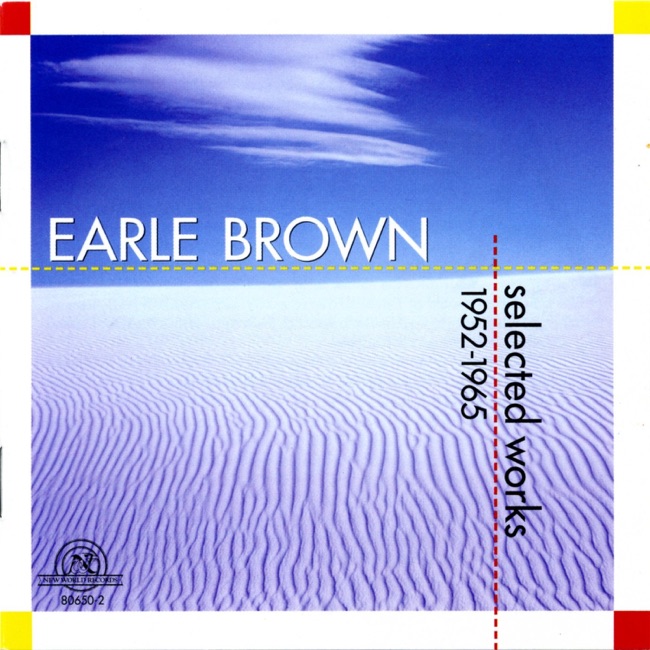

Featured Album
Works Info
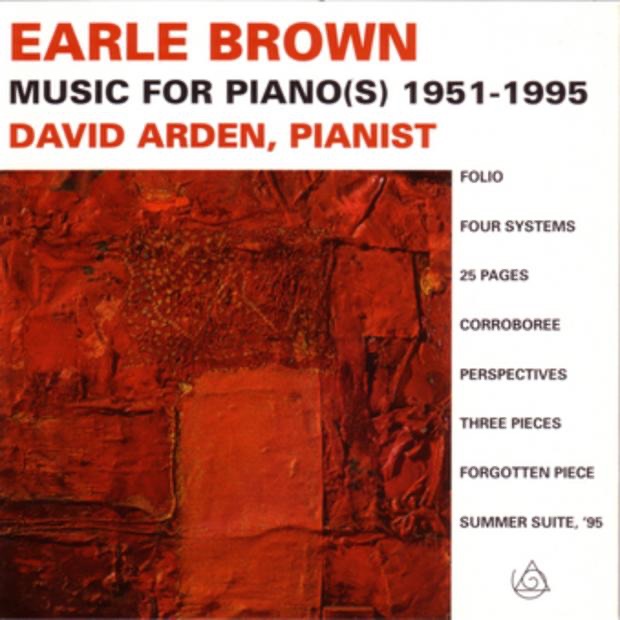
Composer:Earle BrownGenre:KeyboardStyle:Electronic MusicCompose Date:1952Earle Brown's 'Folio' is a composition for chamber ensemble that was composed in 1952. It premiered on May 16, 1952, at the Carnegie Recital Hall in New York City. The piece consists of five movements, each of which is characterized by a different approach to musical structure and notation. The first movement, titled "Events," is a series of short musical gestures that are notated graphically, with each musician given a set of instructions for how to interpret the symbols on their individual parts. The result is a highly improvisational and unpredictable texture that is constantly shifting and evolving. The second movement, "Islands," is a more traditional score that features a series of short, self-contained musical phrases that are repeated and varied throughout the piece. The phrases are separated by silences, creating a sense of fragmentation and disjunction. The third movement, "Color Fields," is a graphic score that consists of a series of colored rectangles and squares. Each musician is assigned a specific color and is instructed to play whenever their color appears on the score. The result is a highly abstract and textural piece that emphasizes the interplay between different timbres and colors. The fourth movement, "Tactics," is a more structured piece that features a series of short, rhythmic motifs that are repeated and developed throughout the piece. The motifs are layered on top of each other, creating a complex and intricate texture that is constantly shifting and evolving. The final movement, "Mobile," is a graphic score that consists of a series of interconnected lines and shapes. Each musician is assigned a specific line or shape and is instructed to follow it throughout the piece, creating a constantly shifting and evolving texture that is highly improvisational and unpredictable. Overall, 'Folio' is a groundbreaking work that pushed the boundaries of traditional musical notation and structure. Brown's use of graphic notation and improvisation created a highly experimental and innovative sound that paved the way for future generations of avant-garde composers.More....