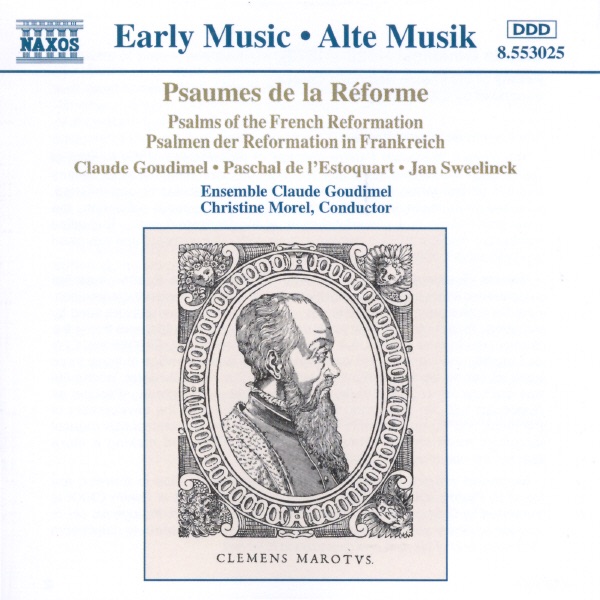
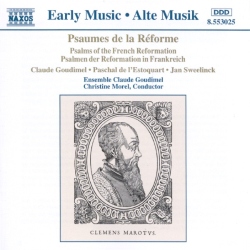
Claude Goudimel
Psalm 137: Estans assis aux rives aquatiques
Released Album
Recent Album
Featured Album
Works Info
Composer:Claude GoudimelGenre:ChoralStyle:PsalmAverage_duration:4:31Claude Goudimel was a French composer of the Renaissance period, known for his contributions to the development of Protestant church music. One of his most famous works is "Psalm 137: Estans assis aux rives aquatiques," which was composed in the mid-16th century. The piece is a setting of Psalm 137, which is a lamentation of the Israelites during their captivity in Babylon. The text speaks of the sorrow and longing of the exiles, who sit by the rivers of Babylon and weep for their lost homeland. Goudimel's setting captures the melancholy mood of the psalm, with its slow, mournful melody and rich harmonies. "Psalm 137: Estans assis aux rives aquatiques" is a choral work, written for four voices (soprano, alto, tenor, and bass). It is divided into three movements, each of which corresponds to a different section of the psalm. The first movement begins with a solo soprano voice, singing the opening lines of the psalm. The other voices gradually join in, building to a full choral texture. The harmonies are rich and complex, with frequent use of suspensions and dissonances to create a sense of tension and longing. The second movement is more subdued, with a slower tempo and simpler harmonies. The text speaks of the Israelites' longing for their homeland, and the music reflects this with a gentle, nostalgic melody. The final movement is the most dramatic, with a faster tempo and more complex harmonies. The text speaks of the Israelites' desire for revenge against their captors, and the music reflects this with a sense of anger and defiance. The piece ends with a powerful chord, emphasizing the final words of the psalm: "If I forget thee, O Jerusalem, let my right hand forget her cunning." Overall, "Psalm 137: Estans assis aux rives aquatiques" is a powerful and moving work, capturing the deep emotions of the psalm in its rich harmonies and expressive melodies. It premiered in the mid-16th century and has remained a beloved piece of choral music ever since.More....
Works Music
Released Music
Featured Music