


Giuseppe Tartini
Violin Concerto in D major, D. 36
Released Album
Recent Album

Works Info
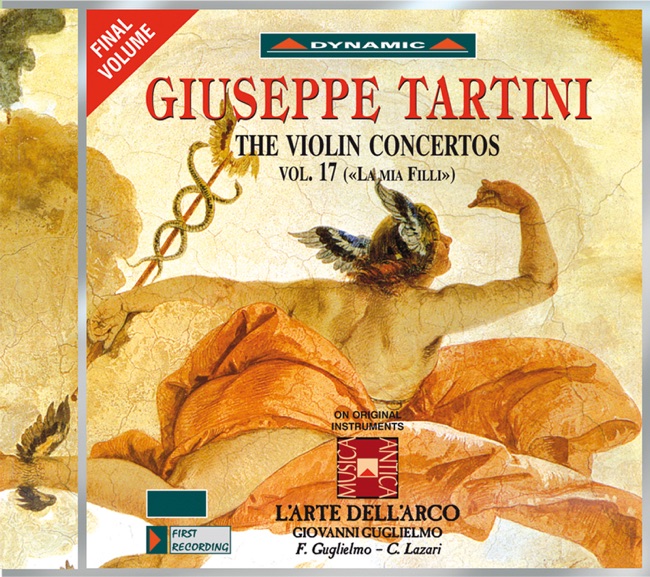
Composer:Giuseppe TartiniGenre:ConcertoAverage_duration:11:03The Violin Concerto in D major, D. 36, is a composition by the Italian Baroque composer Giuseppe Tartini. It was composed in the early 18th century, but the exact date of composition is unknown. The concerto is believed to have been premiered in Padua, Italy, where Tartini was based for much of his career. The concerto is composed of three movements: Allegro, Adagio, and Allegro. The first movement is characterized by its lively and energetic tempo, with the solo violin taking center stage and showcasing Tartini's virtuosic writing for the instrument. The second movement, Adagio, is a slow and lyrical piece that allows the soloist to demonstrate their ability to play with expressiveness and sensitivity. The final movement returns to the lively tempo of the first, with the solo violin once again taking the lead and engaging in a playful dialogue with the orchestra. One of the most notable characteristics of Tartini's Violin Concerto in D major is its use of ornamentation and embellishment. Tartini was known for his innovative approach to violin technique, and this concerto is a prime example of his ability to push the boundaries of what was considered possible on the instrument. The concerto also features a number of technical challenges for the soloist, including rapid runs, double stops, and complex fingerings. Overall, Tartini's Violin Concerto in D major, D. 36, is a masterful example of Baroque violin writing, showcasing the composer's technical prowess and innovative approach to the instrument. Its lively tempo, expressive melodies, and virtuosic solo passages make it a popular choice for violinists looking to showcase their skills.More....
Works Music
Released Music
2
6:1
3

6:1
4
4:2