Tomás Luis de Victoria
O doctor optime
Released Album
Recent Album
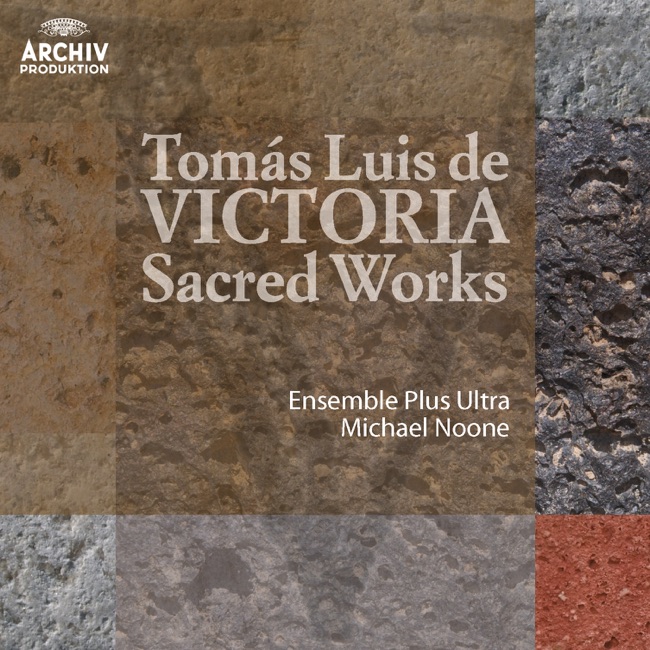
Works Info
Composer:Tomás Luis de VictoriaGenre:ChoralAverage_duration:2:49"O doctor optime" is a motet composed by Tomás Luis de Victoria, a Spanish composer of the Renaissance period. The piece was composed in the late 16th century, around 1580, and was premiered in the Chapel Royal of the Convent of Las Descalzas Reales in Madrid, where Victoria was the chapel master. The motet is written for four voices, with the text taken from a hymn to St. Augustine, the patron saint of the Augustinian order. The piece is divided into three movements, each with its own distinct character and mood. The first movement is marked "Allegro," and is characterized by its lively and energetic rhythm. The voices enter one by one, building up to a full and rich texture. The music is joyful and celebratory, reflecting the praise and adoration of St. Augustine. The second movement is marked "Adagio," and is more contemplative and introspective in character. The voices are more subdued, with a slower and more measured pace. The music is more reflective, with a sense of reverence and awe. The final movement is marked "Allegro," and returns to the joyful and celebratory character of the first movement. The voices are more animated and lively, with a sense of exultation and triumph. The music builds to a grand and majestic conclusion, reflecting the glory and majesty of St. Augustine. Overall, "O doctor optime" is a masterful example of Victoria's skill as a composer. The piece is characterized by its rich and complex harmonies, its intricate counterpoint, and its expressive and emotive melodies. It is a testament to Victoria's ability to capture the essence of the text and to convey its meaning through music.More....
Works Music