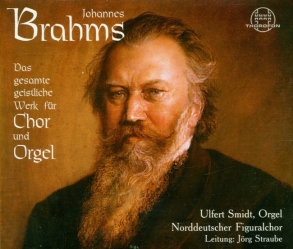
Johannes Brahms
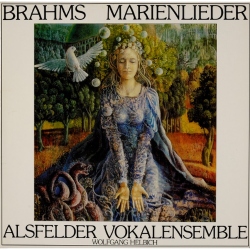
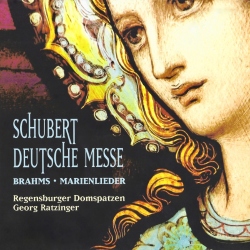
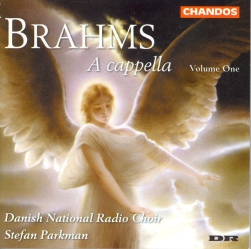
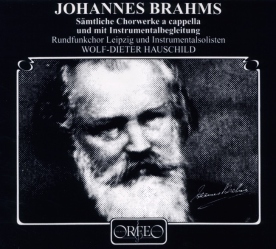
Marienlieder (7), Op. 22
Released Album
Recent Album

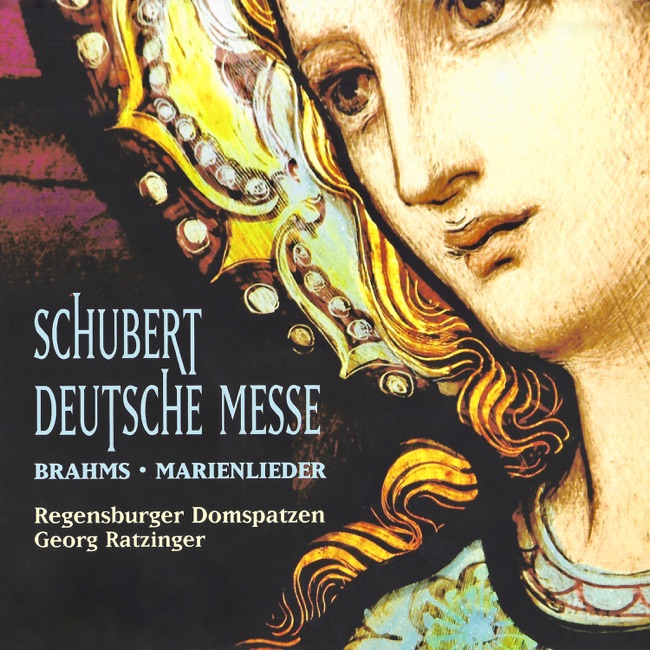
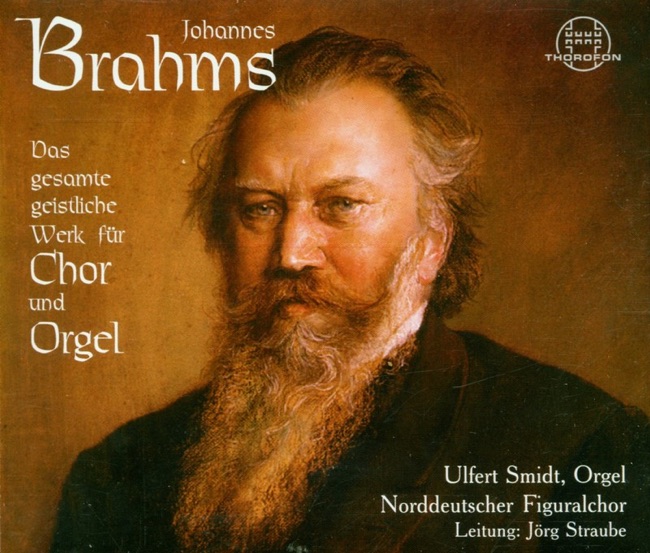
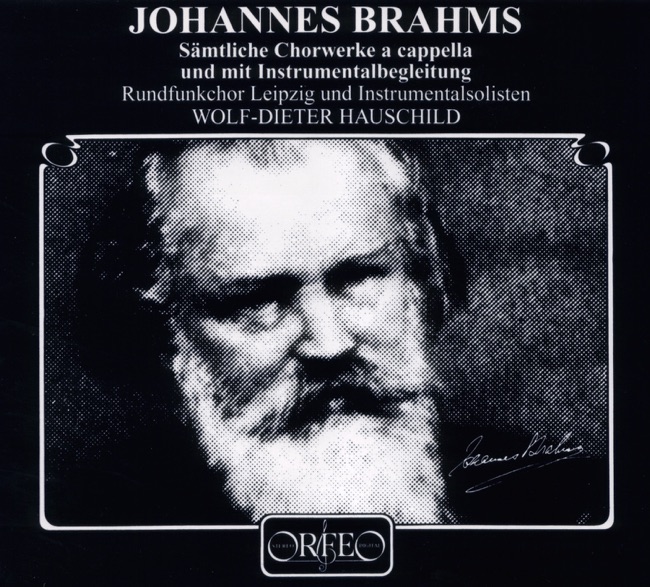
Works Info
Composer:Johannes BrahmsGenre:ChoralStyle:ChoralCompose Date:1859Average_duration:18:03Movement_count:7Movement ....Johannes Brahms composed his 'Marienlieder (7), Op. 22' in 1860. The work premiered in Hamburg on December 3, 1860, with Brahms himself conducting. The work consists of seven movements, all of which are settings of German Marian texts. The first movement, "Magnificat," is a setting of the Magnificat text from the Gospel of Luke. Brahms sets the text for four-part choir and organ, with a solo soprano singing the opening lines. The movement is characterized by its grandeur and majesty, with the choir and organ combining to create a powerful sound. The second movement, "Unser lieben Frauen Traum," is a setting of a poem by Friedrich Spee. The text tells the story of Mary's dream of the crucifixion of Jesus. Brahms sets the text for four-part choir and piano, with the piano providing a gentle accompaniment to the choir's singing. The movement is characterized by its tender and introspective mood. The third movement, "Es ist ein Ros entsprungen," is a setting of a traditional German Christmas carol. Brahms sets the text for four-part choir and piano, with the piano providing a flowing accompaniment to the choir's singing. The movement is characterized by its simplicity and beauty. The fourth movement, "O Heiland, reiß die Himmel auf," is a setting of a hymn by Friedrich von Spee. Brahms sets the text for four-part choir and organ, with the organ providing a majestic accompaniment to the choir's singing. The movement is characterized by its grandeur and power. The fifth movement, "Lasset uns das Kindlein wiegen," is a setting of a poem by Johann Wolfgang von Goethe. Brahms sets the text for four-part choir and piano, with the piano providing a gentle and rocking accompaniment to the choir's singing. The movement is characterized by its lullaby-like quality. The sixth movement, "Geistliches Wiegenlied," is a setting of a poem by Emanuel Geibel. Brahms sets the text for soprano solo, alto solo, and piano. The movement is characterized by its intimacy and tenderness, with the two soloists singing a dialogue-like duet. The seventh and final movement, "Mariä Wiegenlied," is a setting of a poem by Martin Boelitz. Brahms sets the text for soprano solo and piano, with the piano providing a gentle and flowing accompaniment to the soloist's singing. The movement is characterized by its simplicity and beauty. Overall, Brahms' 'Marienlieder (7), Op. 22' is a beautiful and varied collection of settings of German Marian texts. The work showcases Brahms' skill as a composer and his ability to create music that is both powerful and intimate.More....
Works Music
Released Music