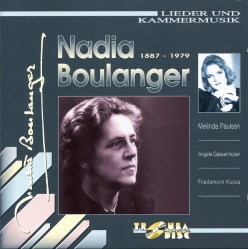
Nadia Boulanger
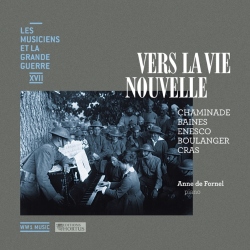
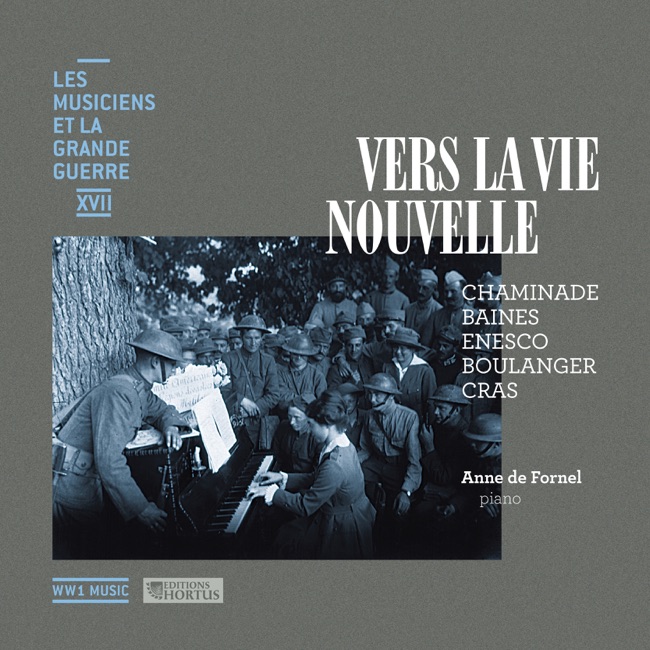
Vers la vie nouvelle
Released Album
Recent Album
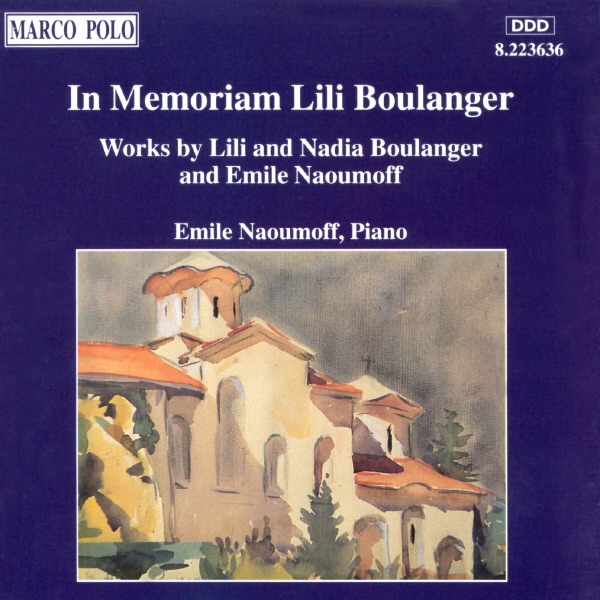
Featured Album
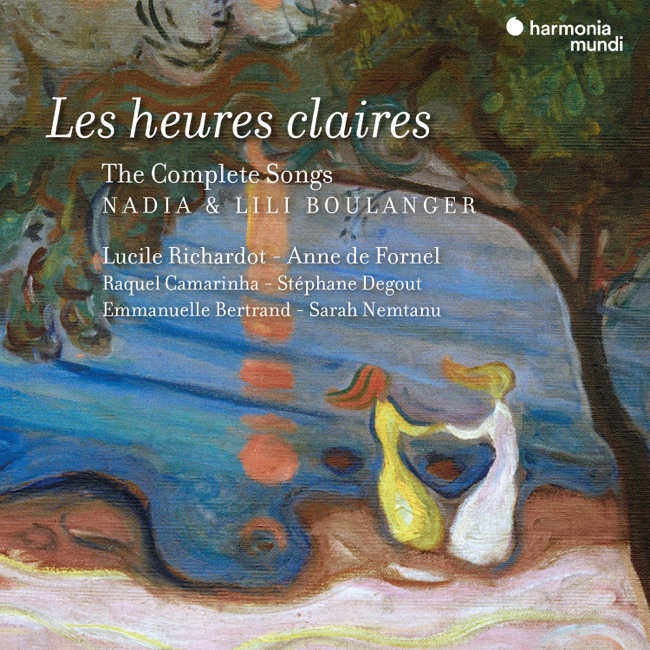
Works Info
Composer:Nadia BoulangerGenre:KeyboardStyle:KeyboardCompose Date:1919Average_duration:4:20'Vers la vie nouvelle' is a choral work composed by Nadia Boulanger in 1921. The piece was premiered on May 15, 1921, at the Salle Gaveau in Paris, France. The work is divided into three movements, each with its own unique characteristics. The first movement, marked "Allegro moderato," begins with a lively and rhythmic choral introduction. The music is characterized by its use of syncopation and shifting meters, which create a sense of forward momentum. The text of the movement, written by the French poet Charles Péguy, speaks of the struggle for progress and the hope for a better future. The music reflects this sentiment, with its energetic and optimistic tone. The second movement, marked "Andante," is a more introspective and contemplative section. The music is characterized by its use of lush harmonies and expressive melodies. The text, also by Péguy, speaks of the beauty of nature and the importance of finding peace and solace in the natural world. The music reflects this sentiment, with its gentle and serene tone. The final movement, marked "Allegro con fuoco," is a triumphant and celebratory section. The music is characterized by its use of bold and powerful choral writing, with the choir often singing in unison or octaves. The text, again by Péguy, speaks of the triumph of the human spirit over adversity and the hope for a brighter future. The music reflects this sentiment, with its exuberant and joyful tone. Overall, 'Vers la vie nouvelle' is a powerful and uplifting work that speaks to the human spirit's resilience and hope for a better future. Boulanger's use of shifting meters, lush harmonies, and bold choral writing creates a sense of forward momentum and optimism that is both inspiring and moving.More....
Works Music