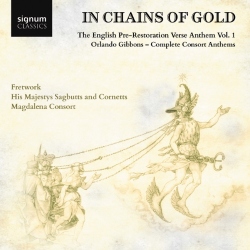
Orlando Gibbons
In Nomine a 5: Two Basses, No.3, for viols, MB29
Released Album
Recent Album
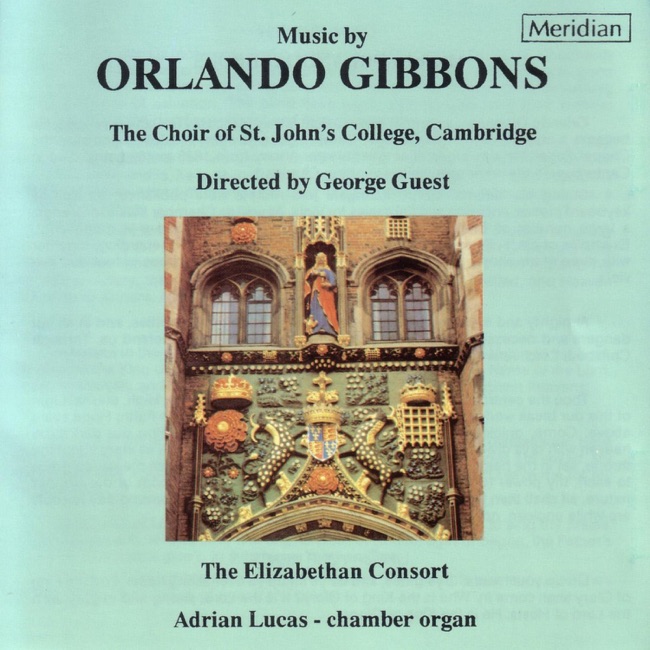
Featured Album
Works Info
Composer:Orlando GibbonsGenre:ChamberStyle:Chamber MusicAverage_duration:4:17Orlando Gibbons was a prominent English composer of the early Baroque period, known for his contributions to the development of keyboard music and sacred choral music. One of his most famous works is the "In Nomine a 5: Two Basses, No.3, for viols, MB29," which was composed in the early 17th century. The "In Nomine a 5" is a type of instrumental composition that was popular in England during the Renaissance and early Baroque periods. It is based on a plainchant melody called the "In nomine Domini," which was used as a cantus firmus, or fixed melody, around which the other parts were built. The "In nomine" was typically written for a consort of viols, which was a popular ensemble in England during this time. Gibbons' "In Nomine a 5: Two Basses, No.3, for viols, MB29" is one of a series of six "In Nomine" compositions that he wrote for viols. It is believed to have been composed around 1610-1612, during Gibbons' tenure as organist at the Chapel Royal in London. The piece is written for two bass viols, two tenor viols, and a treble viol, and is in the key of G minor. The "In Nomine a 5" is divided into six movements, each of which is based on the "In nomine Domini" melody. The first movement is a slow and solemn introduction, in which the cantus firmus is played by the treble viol. The second movement is a lively and rhythmic dance, in which the two bass viols take turns playing the cantus firmus. The third movement is a slower and more contemplative variation, in which the tenor viols take over the cantus firmus. The fourth movement is a lively and virtuosic variation, in which the treble viol takes the lead. The fifth movement is a slow and mournful variation, in which the two bass viols play the cantus firmus in a lower register. The final movement is a lively and joyful dance, in which all the viols join together to play the cantus firmus in a fast and energetic manner. The "In Nomine a 5: Two Basses, No.3, for viols, MB29" is a prime example of Gibbons' skill as a composer of instrumental music. The piece showcases his ability to create complex and intricate textures, while still maintaining a sense of unity and coherence. The use of the "In nomine Domini" melody as a cantus firmus gives the piece a sense of continuity and tradition, while the various variations and movements allow Gibbons to explore different moods and emotions. Overall, the "In Nomine a 5" is a masterpiece of English instrumental music, and a testament to Gibbons' lasting influence on the Baroque period.More....
Works Music
Released Music
Featured Music