Pérotin
Dum sigillum summi Patris
Released Album
Featured Album
Works Info
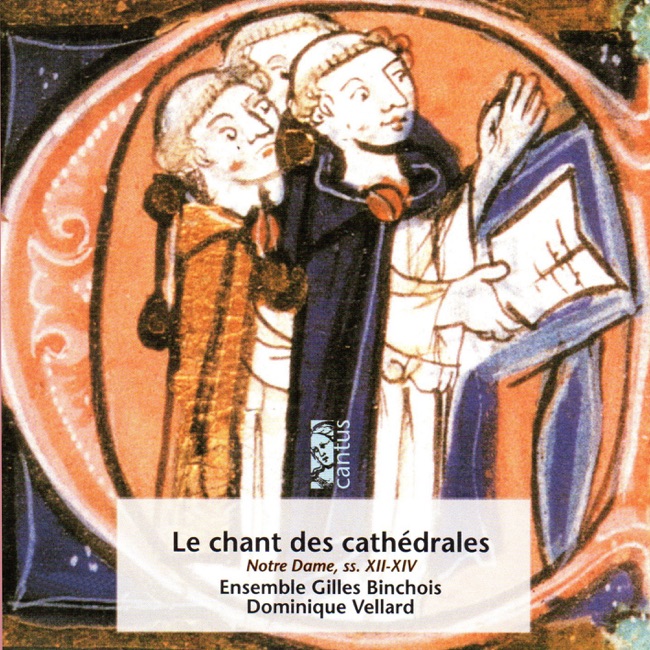
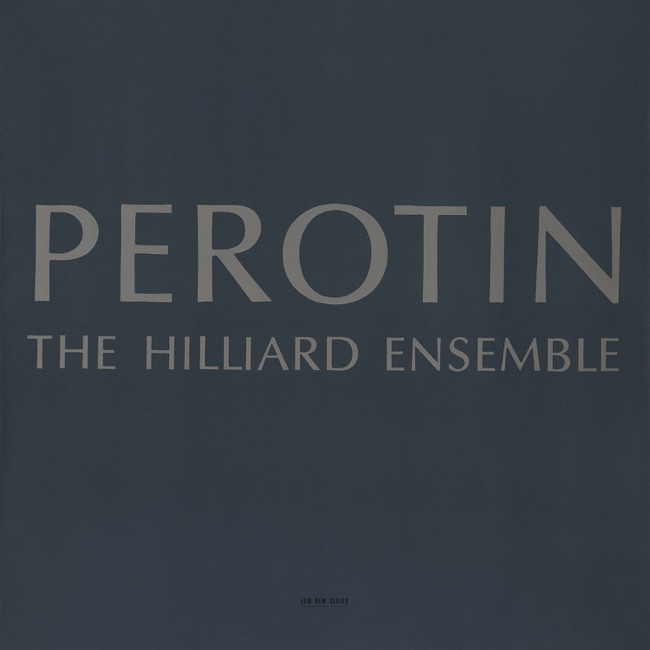
Composer:PérotinGenre:ChoralStyle:ConductusCompose Date:ca. 1200Average_duration:7:08"Dum sigillum summi Patris" is a medieval composition by Pérotin, a French composer who lived in the late 12th and early 13th centuries. The piece is believed to have been composed around the year 1200 and is considered one of the earliest examples of polyphonic music. The composition was likely written for use in the Notre-Dame Cathedral in Paris, where Pérotin was a member of the musical establishment. It is believed to have been performed during the Christmas season, as it contains references to the Nativity. The piece is divided into three movements, each of which features a different text. The first movement is based on the text "Dum sigillum summi Patris," which translates to "While the seal of the highest Father." The second movement is based on the text "Nato canunt omnia," which means "All things sing at the birth." The third movement is based on the text "Gloria tibi Domine," which translates to "Glory to you, Lord." The composition is characterized by its use of polyphony, which is the simultaneous singing of multiple melodies. Pérotin's use of polyphony was groundbreaking for its time and helped to establish the Notre-Dame School of polyphony, which would go on to influence composers for centuries to come. The piece is also notable for its use of rhythmic modes, which were a system of rhythmic notation used in medieval music. Pérotin's use of rhythmic modes allowed for greater rhythmic complexity and helped to create a sense of forward motion in the music. Overall, "Dum sigillum summi Patris" is a significant work in the history of Western music. Its use of polyphony and rhythmic modes helped to establish new musical techniques that would be used by composers for centuries to come.More....
Works Music
Featured Music