


Giovanni Maria Trabaci
Ricercare secondo tono
Released Album
Recent Album
Works Info
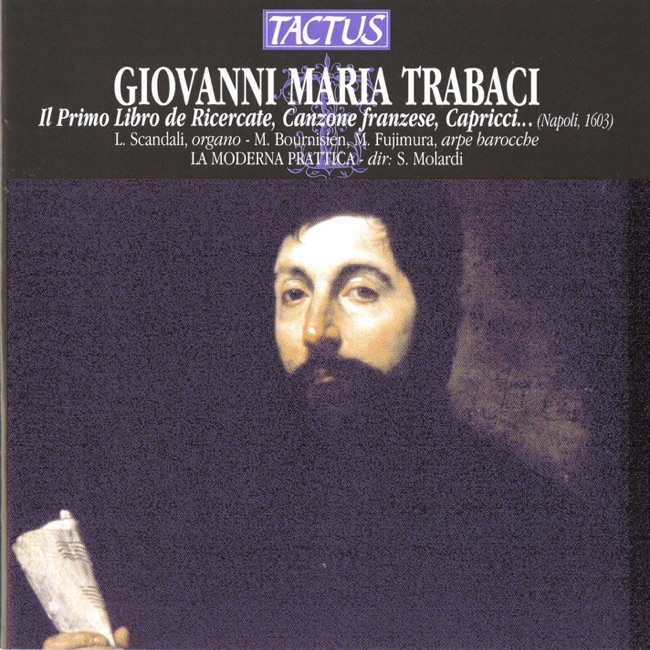
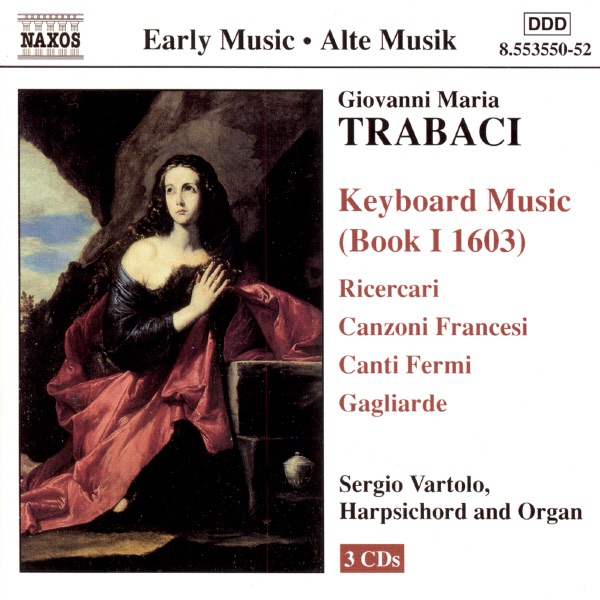
Composer:Giovanni Maria TrabaciGenre:KeyboardStyle:KeyboardCompose Date:1603Average_duration:3:40Giovanni Maria Trabaci was an Italian composer and organist who lived during the late Renaissance and early Baroque periods. He was born in Naples in 1575 and died there in 1647. Trabaci was a prolific composer of keyboard music, and his works are considered to be some of the finest examples of the Italian keyboard tradition. One of Trabaci's most famous works is the "Ricercare secondo tono," which was composed for keyboard in the early 17th century. The piece is in the key of D minor and is written in the form of a ricercare, which is a type of instrumental composition that was popular during the Renaissance and Baroque periods. The "Ricercare secondo tono" is divided into three movements, each of which has its own distinct character and style. The first movement is slow and contemplative, with a mournful melody that is played in the right hand. The left hand provides a simple accompaniment that supports the melody and adds depth to the overall sound. The second movement is faster and more lively, with a lively melody that is played in the right hand. The left hand provides a more complex accompaniment that adds texture and interest to the overall sound. This movement is characterized by its energetic rhythms and lively melodies, which make it a favorite among keyboard players and listeners alike. The third and final movement of the "Ricercare secondo tono" is a return to the slow and contemplative style of the first movement. The melody is played in the right hand, while the left hand provides a simple accompaniment that supports the melody and adds depth to the overall sound. This movement is characterized by its mournful and introspective character, which provides a fitting conclusion to the piece. Overall, the "Ricercare secondo tono" is a beautiful and complex piece of music that showcases Trabaci's skill as a composer and keyboard player. Its three movements provide a range of emotions and styles, making it a favorite among keyboard players and listeners alike. The piece premiered in the early 17th century and has since become a staple of the Italian keyboard tradition.More....
Works Music
Released Music
1
3:53
3
3:28