Charles Villiers Stanford
Preludes (6) for organ, Op. 88
Released Album
Recent Album
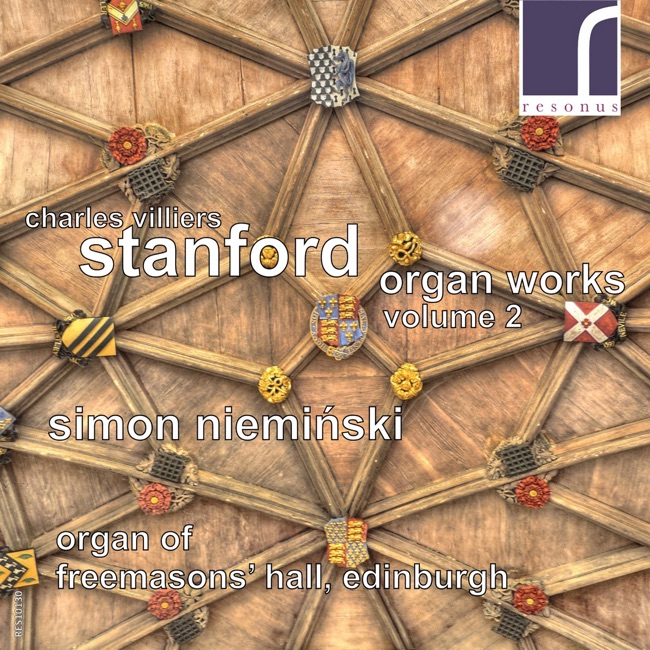
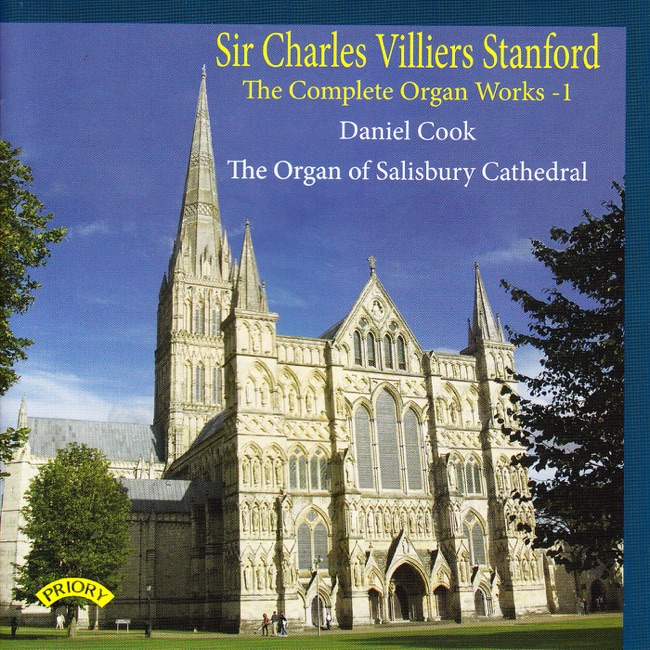

Works Info
Composer:Charles Villiers StanfordGenre:KeyboardStyle:PreludeCharles Villiers Stanford's 'Preludes (6) for organ, Op. 88' is a collection of six preludes for solo organ. The work was composed in 1919 and premiered in the same year at St. Paul's Cathedral in London. The six preludes are each distinct in character and style, showcasing Stanford's mastery of the organ and his ability to create diverse musical moods. The first prelude, marked "Allegro moderato," is a lively and energetic piece with a strong rhythmic drive. The second prelude, "Andante con moto," is more contemplative and introspective, with a lyrical melody that unfolds over a gentle accompaniment. The third prelude, "Allegro vivace," is a playful and virtuosic piece, featuring rapid runs and intricate figurations. The fourth prelude, "Lento," is a somber and mournful piece, with a slow and mournful melody that is accompanied by rich harmonies and poignant dissonances. The fifth prelude, "Allegro con brio," is a lively and joyful piece, with a bright and cheerful melody that is accompanied by a lively and energetic accompaniment. The final prelude, "Allegro moderato," is a grand and majestic piece, with a powerful and triumphant melody that is accompanied by rich and full harmonies. Throughout the work, Stanford demonstrates his mastery of the organ, using the full range of the instrument to create a wide variety of textures and colors. The preludes are also notable for their strong sense of form and structure, with each piece carefully crafted to create a cohesive and satisfying musical experience. Overall, Stanford's 'Preludes (6) for organ, Op. 88' is a masterful work that showcases the composer's skill and creativity as a composer for the organ. With its diverse range of styles and moods, the work is a testament to the versatility and expressive power of the organ as a solo instrument.More....
Works Music
Released Music