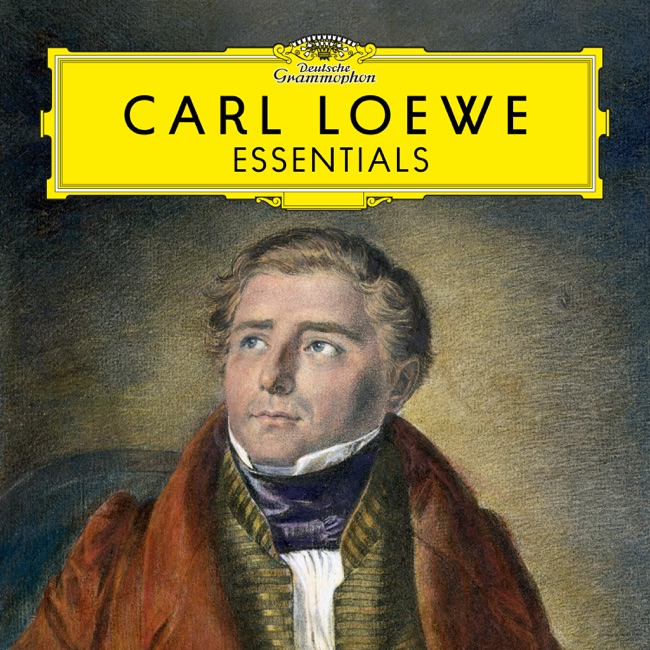
Carl Loewe
Ballads (3), Op. 2
Released Album
Recent Album

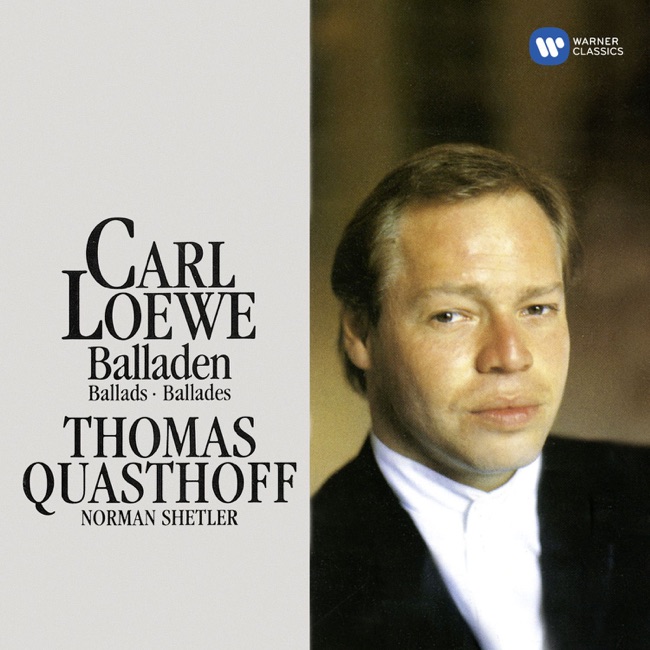
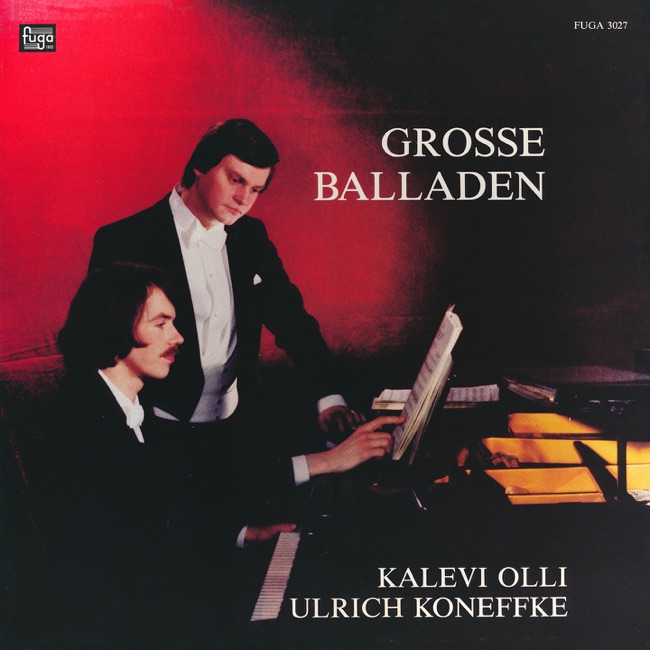
Works Info
Composer:Carl LoeweGenre:VocalStyle:SongCarl Loewe's 'Ballads (3), Op. 2' is a collection of three ballads for voice and piano, composed in 1824. The premiere of the work took place in Berlin in the same year. The three movements of the work are titled 'Edward', 'Die wandelnde Glocke' (The Wandering Bell), and 'Archibald Douglas'. The first movement, 'Edward', is based on a Scottish ballad and tells the story of a young man who kills his father in a fit of rage. The music is dark and brooding, with a sense of foreboding throughout. The piano accompaniment is sparse and haunting, adding to the eerie atmosphere of the piece. The second movement, 'Die wandelnde Glocke', is based on a German ballad and tells the story of a wandering bell that brings bad luck to those who hear it. The music is more lighthearted than the first movement, with a playful piano accompaniment and a catchy melody. However, there is still a sense of unease in the music, reflecting the ominous nature of the wandering bell. The final movement, 'Archibald Douglas', is based on a Scottish ballad and tells the story of a man who is falsely accused of murder and sentenced to death. The music is dramatic and intense, with a driving piano accompaniment and soaring vocal lines. The climax of the piece is particularly powerful, as Archibald Douglas proclaims his innocence and accepts his fate. Overall, 'Ballads (3), Op. 2' is a masterful collection of ballads that showcases Carl Loewe's skill as a composer and storyteller. The music is rich and evocative, capturing the essence of each ballad and bringing the stories to life.More....
Works Music
Released Music