Alban Berg
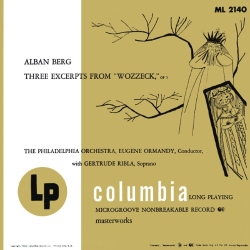
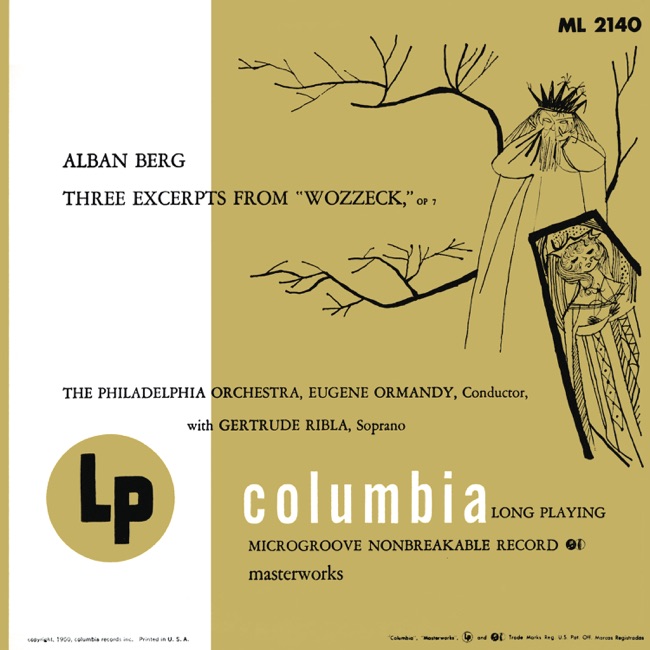
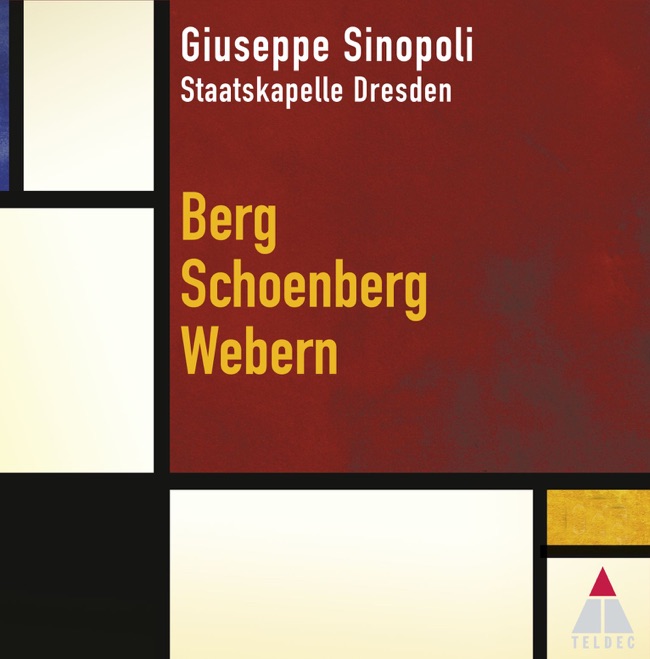
Bruchstücke (3) from "Wozzeck"
Released Album
Recent Album
Works Info
Composer:Alban BergGenre:VocalStyle:Vocal MusicCompose Date:1924Average_duration:20:23Movement_count:3Movement ....Alban Berg's "Bruchstücke (3) from Wozzeck" is a composition that was created in 1924. It is a collection of three movements that were taken from Berg's opera "Wozzeck," which premiered in 1925. The three movements are titled "Symphony," "Passacaglia," and "Rondo." The first movement, "Symphony," is a condensed version of the entire opera. It features a variety of themes and motifs that are present throughout the opera, including the main character's struggle with his own sanity and the oppressive nature of society. The movement is characterized by its use of dissonance and atonality, which create a sense of unease and tension. The second movement, "Passacaglia," is a slow and mournful piece that features a repeating bass line. The bass line is played over and over again, while the other instruments play variations on top of it. This creates a sense of sadness and despair, which is fitting for the tragic story of "Wozzeck." The final movement, "Rondo," is a fast and lively piece that features a variety of different themes and motifs. It is characterized by its use of syncopation and irregular rhythms, which create a sense of excitement and energy. The movement ends with a sudden and unexpected chord, which leaves the listener feeling unsettled and unsure. Overall, "Bruchstücke (3) from Wozzeck" is a powerful and emotional composition that captures the essence of Berg's opera. It is characterized by its use of dissonance, atonality, and irregular rhythms, which create a sense of tension and unease. The three movements each have their own unique characteristics, but they all work together to create a cohesive and powerful piece of music.More....
Works Music
Released Music