


Franz Schubert
Symphony in D major, D. 708a
Released Album
Recent Album

Featured Album
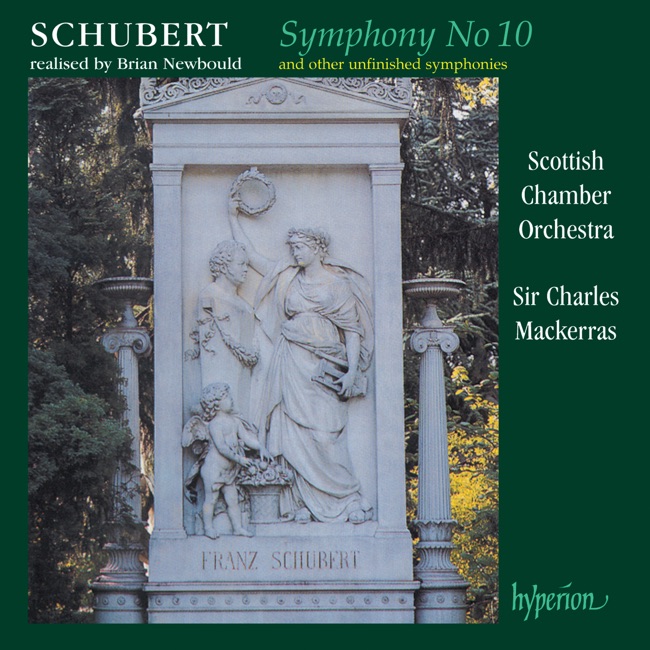
Works Info
Composer:Franz SchubertGenre:SymphonyStyle:SymphonyAverage_duration:17:28Movement_count:4Movement ....Symphony in D major, D. 708a, is a symphony composed by Franz Schubert in 1813. It was not premiered during Schubert's lifetime and was only discovered in the 1970s. The symphony consists of four movements: 1. Adagio - Allegro vivace 2. Andante 3. Menuetto: Allegro vivace 4. Allegro vivace The first movement begins with a slow and somber introduction in the key of D minor, which leads into a lively and energetic Allegro vivace in the key of D major. The second movement, Andante, is a lyrical and expressive melody in the key of G major. The third movement, Menuetto: Allegro vivace, is a playful and dance-like movement in the key of D major. The final movement, Allegro vivace, is a fast and lively movement in the key of D major, featuring a prominent horn melody. The Symphony in D major, D. 708a, showcases Schubert's early compositional style, which was heavily influenced by the classical style of Mozart and Haydn. The symphony is characterized by its clear and concise melodies, balanced structures, and use of traditional forms such as the sonata form and minuet and trio. The symphony also features Schubert's signature use of modulations and chromaticism, which add depth and complexity to the otherwise simple and straightforward melodies. Overall, the Symphony in D major, D. 708a, is a charming and delightful work that showcases Schubert's early compositional style and his mastery of classical forms. Despite its obscurity, the symphony is a testament to Schubert's talent and his contribution to the classical music canon.More....
Works Music
Released Music


Featured Music
4

3:17