


Jan Dismas Zelenka
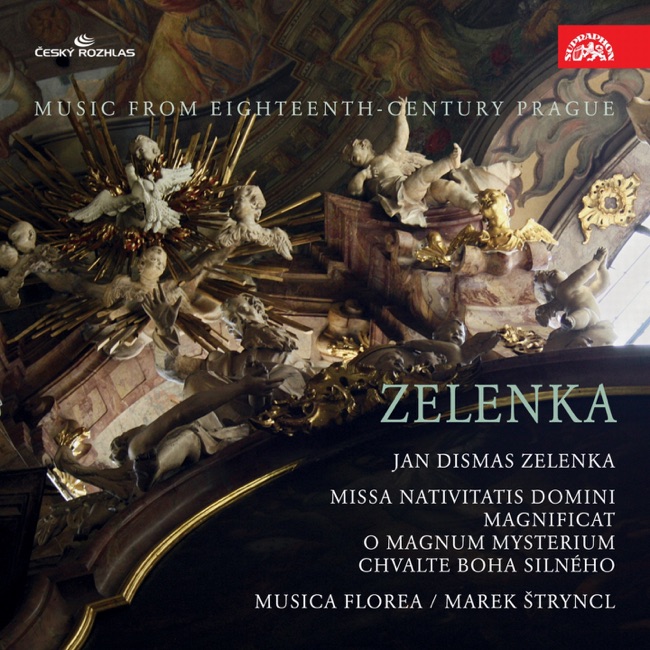
O magnum mysterium in E major, ZWV 171
Released Album
Recent Album

Featured Album
Works Info
Composer:Jan Dismas ZelenkaGenre:ChoralCompose Date:1723Publication Date:1997Average_duration:6:05Jan Dismas Zelenka was a Czech composer of the Baroque era, known for his intricate and innovative compositions. One of his most famous works is the motet "O magnum mysterium in E major, ZWV 171," which was composed in the early 1730s. The motet is written for four-part choir and orchestra, and is divided into four movements. The first movement is a joyful and celebratory setting of the text "O magnum mysterium," which tells of the birth of Christ and the wonder of his coming. The second movement is a more contemplative setting of the text "Quem vidistis pastores," which describes the shepherds' encounter with the newborn Christ. The third movement is a lively and energetic setting of the text "Dicite, quidnam vidistis," which calls on the shepherds to tell of their experience. The final movement is a triumphant setting of the text "Alleluia," which celebrates the glory of God and the joy of the Christmas season. Zelenka's "O magnum mysterium" is characterized by its intricate counterpoint, rich harmonies, and expressive use of dissonance. The composer employs a variety of musical techniques to convey the meaning of the text, including word painting, chromaticism, and unexpected harmonic shifts. The motet is also notable for its use of instrumental color, with the orchestra providing a rich and varied accompaniment to the choir. "O magnum mysterium in E major, ZWV 171" premiered in Dresden in the early 1730s, likely as part of the Christmas celebrations at the court of Augustus III of Poland. The motet has since become a beloved Christmas classic, and is frequently performed by choirs and orchestras around the world.More....
Works Music
Released Music

Featured Music
1
O magnum mysterium in E major, ZWV 171
O Magnum mysterium: Dormi nate, dormi, Deus, motetto pro Nativitate, ZWV 171
7:22