Gregorian Chant
Tristis est anima mea
Released Album
Recent Album
Featured Album
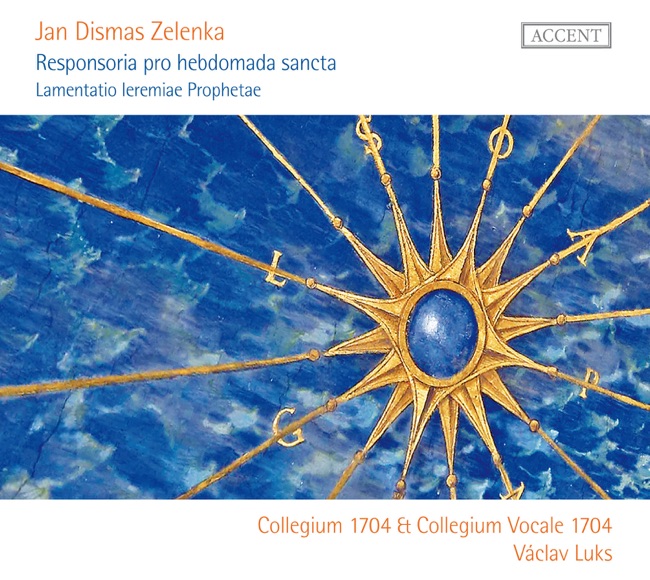
Works Info
Composer:Gregorian ChantGenre:VocalStyle:Vocal MusicAverage_duration:2:52Tristis est anima mea is a Gregorian Chant composed in the 16th century. It is a part of the Holy Week liturgy and is traditionally sung on Wednesday of Holy Week. The chant is divided into three movements, each with its own unique characteristics. The first movement begins with a mournful melody sung in unison by the choir. The text is taken from the Gospel of Matthew and describes Jesus' agony in the Garden of Gethsemane. The melody is characterized by its descending phrases and use of the Dorian mode, which gives it a somber and introspective quality. The second movement is a solo chant sung by a cantor. The text is taken from the Book of Lamentations and describes the sorrow of the Virgin Mary as she watches her son being crucified. The melody is characterized by its ornamentation and use of the Phrygian mode, which gives it a plaintive and mournful quality. The third movement returns to the choir and is a repetition of the first movement. However, the melody is now in a higher register and is sung with greater intensity. The text is repeated, emphasizing the depth of Jesus' suffering and the sorrow of his followers. Overall, Tristis est anima mea is a powerful and emotional chant that captures the essence of Holy Week. Its use of different modes and melodies creates a sense of depth and complexity, while its repetition of key phrases emphasizes the importance of the text. The chant remains an important part of the Catholic liturgy and continues to be sung by choirs around the world.More....
Works Music
Released Music
Featured Music
2
Tristis is anima mea
Lectio 3. Manum suam misit hostis. Responsorium 2. Tristis est anima mea
1:18