Johann Pachelbel
Chorale Prelude "Wenn wir in höchsten Nöten sein" (I), T. 69
Released Album
Recent Album
Works Info
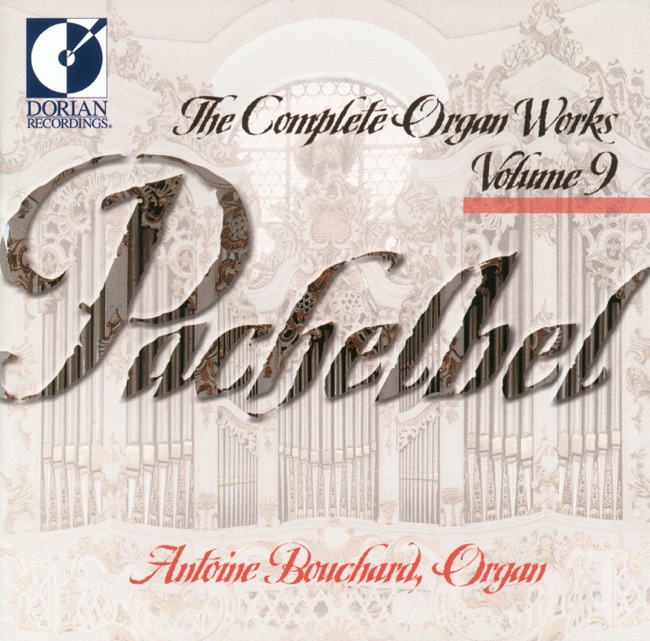
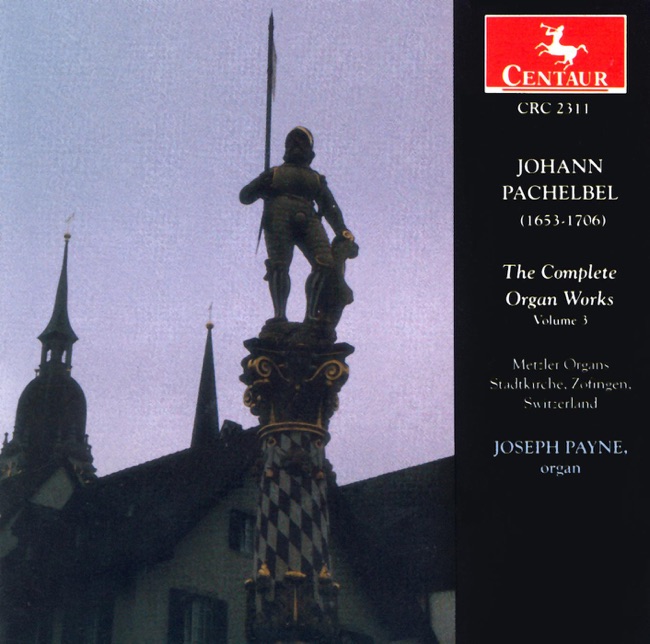
Composer:Johann PachelbelGenre:KeyboardStyle:Chorale PreludeCompose Date:before Apr 1706Publication Date:1903Average_duration:1:35Johann Pachelbel's Chorale Prelude Wenn wir in höchsten Nöten sein (I), T. 69, is a piece of music that was composed in the Baroque era. The piece was composed in the late 17th century, around 1690. It is a chorale prelude, which is a type of composition that is based on a hymn or chorale melody. The piece is written for the organ and is in the key of G minor. The Chorale Prelude Wenn wir in höchsten Nöten sein (I), T. 69, is made up of four movements. The first movement is the chorale melody itself, which is played in the right hand of the organ. The left hand plays a simple accompaniment that supports the melody. The second movement is a variation of the chorale melody, which is played in the left hand of the organ. The right hand plays a more complex accompaniment that weaves around the melody. The third movement is a fugue, which is a type of composition that features a main theme that is repeated and developed throughout the piece. The fourth and final movement is a coda, which is a concluding section that brings the piece to a close. The characteristics of the Chorale Prelude Wenn wir in höchsten Nöten sein (I), T. 69, are typical of Baroque music. The piece features a clear and simple melody that is supported by a more complex accompaniment. The use of counterpoint, which is the combination of two or more melodies that are played at the same time, is also a characteristic of Baroque music. The fugue in the third movement is a prime example of this. The use of ornamentation, which is the addition of decorative notes to a melody, is also a characteristic of Baroque music. Pachelbel uses ornamentation throughout the piece to add interest and complexity to the melody. The Chorale Prelude Wenn wir in höchsten Nöten sein (I), T. 69, premiered in the late 17th century, but it continues to be performed and enjoyed today. Its simple yet complex melody and use of counterpoint and ornamentation make it a classic example of Baroque music.More....
Works Music